LinkedIn founder predicts next AI boom after chatbots: Here’s what comes next
Hoffman is the co-founder of Manas AI, a biopharmaceutical company that uses AI for drug discovery
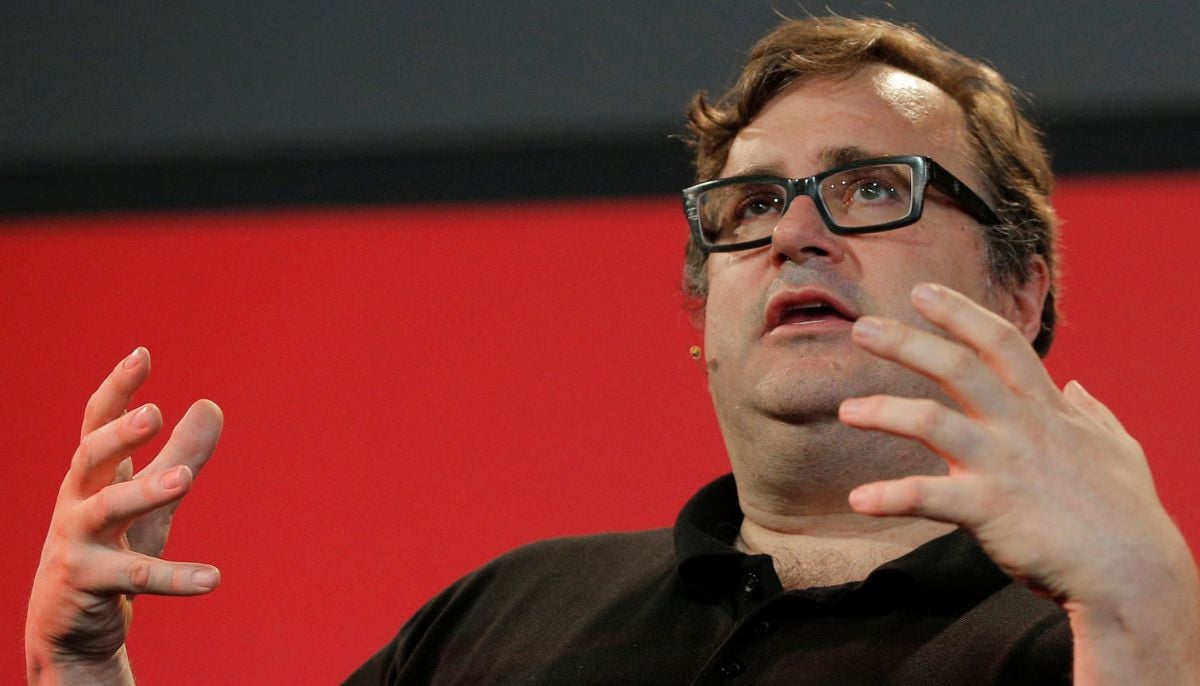
The investor who helped build LinkedIn says the AI chatbot window has already closed. Speaking on The Possible Podcast this week, LinkedIn founder Reid Hoffman told investors to stop chasing OpenAI and Anthropic and start looking at AI-powered medicine instead, describing healthcare as a "massively larger total addressable market" that is only beginning to be disrupted.
The dominant chatbot platforms are already entrenched. OpenAI and Anthropic have captured investor attention and market share to the point where new entrants face an uphill battle.
He noted that although investors continue to be "googly-eyed" about Anthropic’s growth since its run rate passed $47 billion this month, he felt that just because a market achieves scale does not mean there is enough space at the top for new entrants. "Now it's the time for medicine," he quipped.
Hoffman is the co-founder of Manas AI, a biopharmaceutical company that uses AI for drug discovery. Its mission statement is to create a "drug discovery factory for monopolies", an intentionally controversial take on what the company represents.
New drugs usually enjoy a 20-year patent protection, allowing them to earn revenues worth billions. But, according to Hoffman, AI can expedite the beginning stage of this process: making research quicker, less expensive, and more efficient than it has taken decades.
While AI chatbots have concentrated on just a few platforms, Hoffman believes that this won't be the case for healthcare.
Citing the example of GLP-1 drug manufacturers making tens of billions each for their own drugs within the same class, Hoffman believes that there is potential for pharmaceutical AI to create multiple winners at once.
"It's very possible to have a monopoly on your drug and have other drugs even in the same space be really lucrative," he said.
Hoffman has recently disputed the idea that the AI revolution has led to mass layoffs of jobs across tech companies. In his latest post on the platform X, Hoffman noted that many tech firms were conveniently attributing mass layoffs to AI when it was simply due to overhiring during the pandemic period from 2020 to 2023.
"It's important not to ignore other factors," he wrote, a nuanced position that cuts against both AI doom narratives and AI hype cycles simultaneously.






-
 UK lawmaker sues Musk's xAI to stop Grok generating sexualised images
 -
 Apple unveils Klarna-powered ‘Apple Upgrade’ plan for iPhone, Mac and iPad in US
 -
 Apple dethrones Nvidia as world's most valuable company: Will it last?
 -
 Google hit with new legal threat after record $1 billion EU fine
 -
 Anthropic CEO Dario Amodei breaks silence on open-weight AI ban debate
 -
 Meta accused of disregarding teen harm research in landmark child safety trial
 -
 China reaches major milestone as domestic DUV chip tools enter mass production
 -
 China vs US tech rivalry escalates as Beijing accuses Washington of ‘AI hegemonism and distillation’