Study reveals dark side of artificial sweeteners
Scientists predicts future of artificial sweeteners such as stevia and sucralose

Recent studies claimed that artificial sweeteners like stevia and sucralose, which are considered healthier alternatives to sugar, have the potential to alter gene expression and the risk of diabetes in posterity.
Researchers also suggested future generations’ gene activity might suffer due to the negative effects of artificial sweeteners. Mostly, diet fizzy drinks contain these sweeteners as they add sweetness, keeping the calories at zero.
Francisca Concha Celume, the lead author of the study published in Frontiers in Nutrition, said, “We found it intriguing that despite the growing consumption of these additives, the prevalence of obesity and metabolic disorders such as insulin resistance has not declined.”
It is pertinent to mention that the researchers experimented on mice that ate stevia or sucralose showed expression of genes linked to metabolism and inflammation in their offspring. These altered gene expressions made mice offspring more vulnerable to diseases like diabetes, the exact problem such alternatives were made to solve.
Artificial sweeteners compromise the function of the microbiome found in the gut that adversely affects metabolism and eventually alters gene expression.
It is important to note that only male offspring that consumed sucralose showed glaring signs of glucose intolerance, according to research.


-
 CDC monitors travelers from Siberia after plague worker’s death, director says
 -
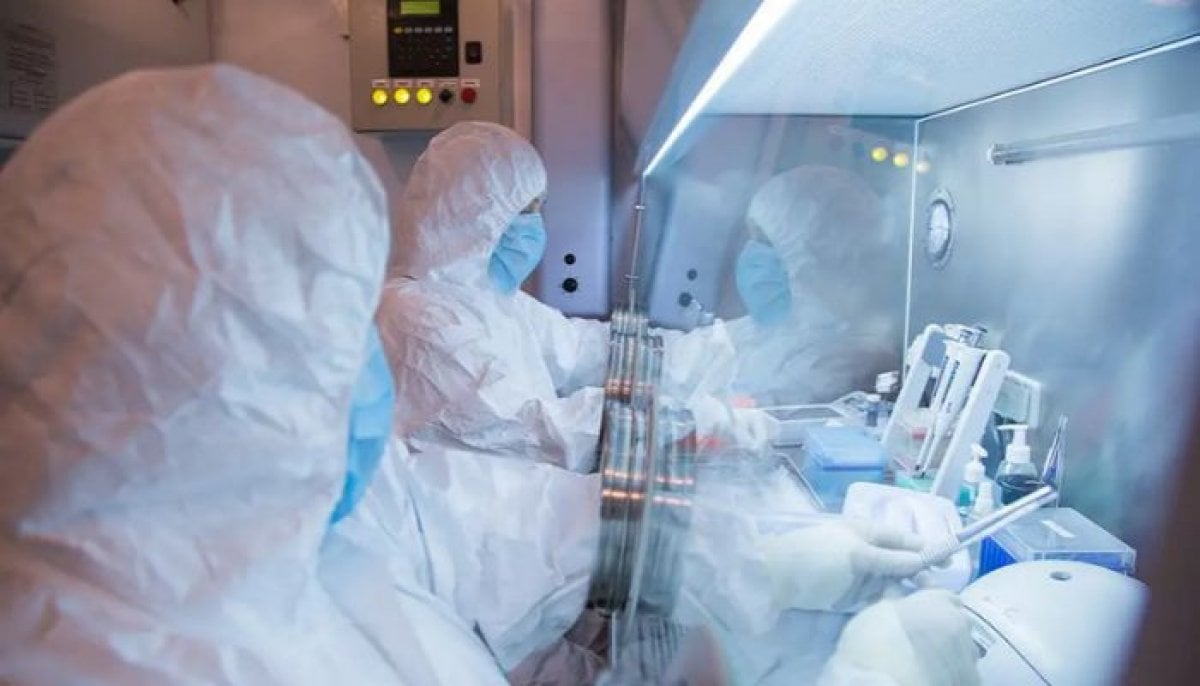 Russia pushes back on plague death reports, defends WHO notification
 -
 WHO deems Russia plague risk 'low' following lab technician’s fatal illness
 -
 New York declares Measles state of emergency amid nationwide disease resurgence
 -
 First-of-its-kind treatment shrinks unborn baby’s tumour before birth
 -
 France steps up Ebola support in Congo as fears of resurgence grow
 -
 Vance’s fraud crackdown may raise health insurance costs for Americans
 -
 One common mistake elevates blood pressure readings by 7 points, study warns
-
 Moderna loses US government license defense in patent case
 -
Novo says new Ozempic shows lower cardiovascular risk compared with Lilly’s Mounjaro
-
University of Nottingham researchers say new gel could regrow tooth enamel in weeks
-
New Chinese drug extends stroke treatment window from hours to 2 days: study finds