Matcha may help reduce sneezing during allergy season, study suggests
Researchers find compounds in Matcha may influence brain signals linked to sneezing
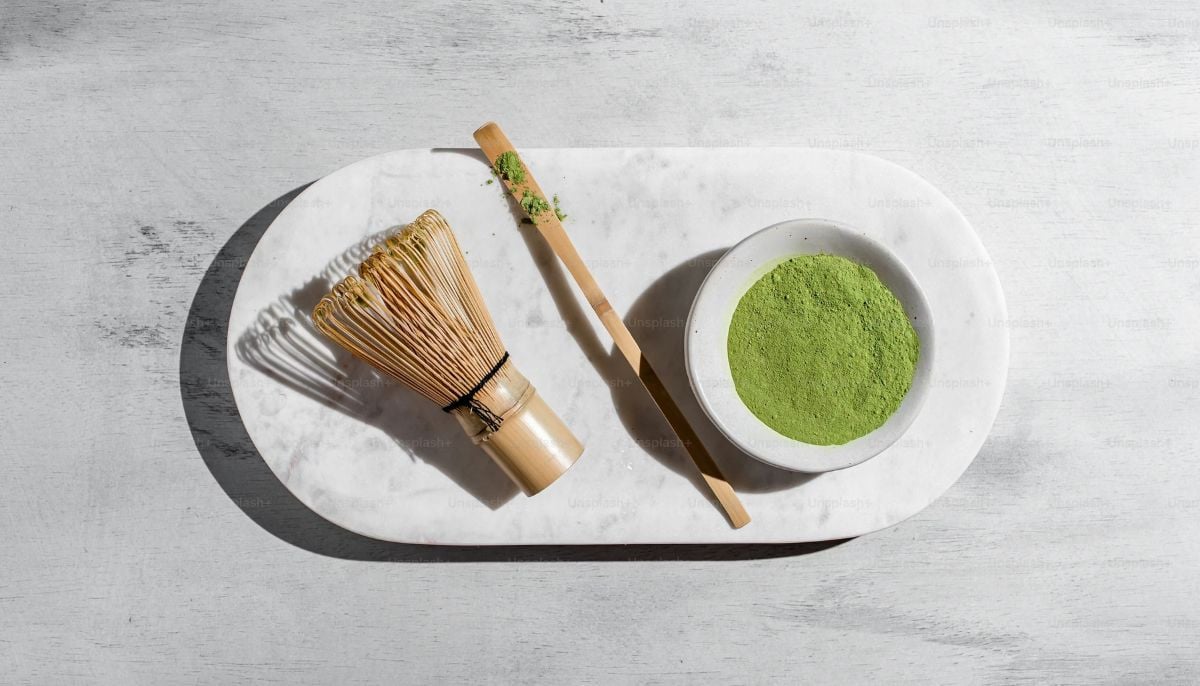
A new study highlights a potential link between matcha for allergies and reduced sneezing, offering fresh insight into seasonal allergy relief. The research, published in NPJ Science of Food, examined how matcha affects allergy-like symptoms in mice.
The scientists from Hiroshima University, together with Osamu Kaminuma, who works as a professor there, discovered that matcha reduces brain activity which controls sneezing without affecting normal immune system functions.
The study found that mice given matcha extract sneezed significantly less when exposed to allergens. The matcha for allergies effect did not impact key immune responses which involve IgE and mast cells and T cells. The scientists discovered that the brainstem activity which controls the sneezing reflex had decreased.
Kaminuma said, “We do not expect matcha to have a substantial therapeutic effect on allergy itself, although it may provide some symptomatic benefit by alleviating allergy-associated sneezing.”
Experts say compounds in matcha for allergies, including catechins, epigallocatechin gallate (EGCG), and quercetin, may contribute to its effects. Rutgers Robert Wood Johnson Medical School Allergist-Immunologist Catherine Monteleone said catechins may help reduce sneezing, nasal itching, and itchy eyes.
Dietitian Keri Gans added, “However, this was an animal study, so we need human research before drawing firm conclusions.”
Northwell Lenox Hill Hospital allergist Sebastian Lighvani said the findings are "fascinating", adding, “Matcha seems to abolish signalling related to sneezing.”
Doctors stress that matcha for allergies should not replace standard treatments. Monteleone said, “Green tea or matcha may not reduce all allergy symptoms, and other allergy medications may still be necessary.”
Baylor College of Medicine Professor David Corry added, “The only note of caution is not to get too crazy with it and start drinking eight to 10 cups per day. Keep it limited to no more than two to three cups per day.”
While matcha for allergies shows promise, experts say more human studies are needed. Researchers also noted that the study used doses much higher than typical consumption levels.






-
 Was the human brain once two separate organs? Scientists find new clues
 -
 Novo Nordisk partners with Anthropic to accelerate AI-powered drug discovery
 -
 Congo Ebola outbreak reaches turning point as daily infections fall
 -
 Study reveals why some babies are born with heart defects
 -
 Third measles-associated death reported as Pennsylvania outbreak reaches 676 cases
 -
 Cyclosporiasis outbreak: US officially ends largest outbreak linked to contaminated lettuce
 -
 Hot beverages increase risk of cancer? New research provides in-dept details
 -
 Highest-level recall issued for potato chips over banned ingredient posing death risk