
Study reveals Ozempic cuts depression risk by 44%
GLP-1 may improve body image, lower stress via better glycaemic control, reduce alcohol use, and more
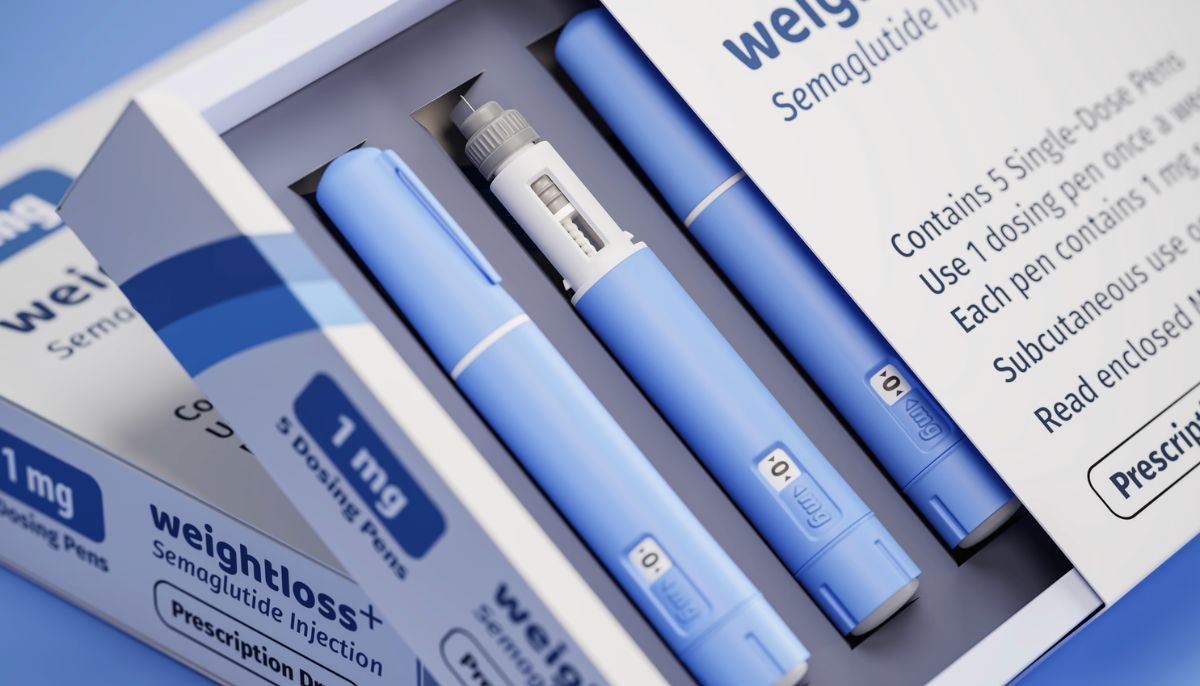
People taking semaglutide, the active ingredient in Ozempic and Wegovy, were 44% less likely to be treated for depression and 42% less likely to require psychiatric hospital care than when they were not on the drug, according to a major new study published in The Lancet Psychiatry.
The research which followed almost 100000 individuals for 13 years showed that GLP-1 drugs have their strongest impact on mental health according to the research results.
The research was carried out by scientists at the University of Eastern Finland, Karolinska Institutet in Sweden, and Griffith University in Australia based on the health records of Sweden between 2009 and 2022.
About 21,500 participants had taken GLP-1 receptor agonist drugs during this time period. Instead of comparing the individuals taking these drugs with those not taking them, scientists compared each participant’s state while taking the drug with their state without the drug.
In terms of use periods, there was a decrease in anxiety disorders by 38%, whereas for individuals who were diagnosed with a substance use disorder that required hospitalisation or absenteeism at work, there was a decrease of 47%.
However, the connection exists both ways because not only do individuals who suffer from obesity or type 2 diabetes have an increased risk of developing depression or anxiety, but individuals with psychiatric illnesses have an increased risk of developing metabolic diseases.
GLP-1 medications were already known to reduce alcohol use disorder. An earlier Swedish registry study established that link, and Professor Mark Taylor of Griffith University said the downstream effect on mood was therefore anticipated.
"Alcohol-related problems often have downstream effects on mood and anxiety, so we expected the effect to be positive on these as well," he said.
University of Eastern Finland Research Director Markku Lähteenvuo stated that the study cannot prove with certainty how semaglutide affects psychological well-being.
Potential mechanisms could be weight loss effects on body image, improved blood sugar levels decreasing stress, decreased alcohol intake, and changes in the brain's neurobiology, especially the reward centres. "The association was quite strong," he added, implying that there is more than just lifestyle change involved here.






-
 Scientists discover tiny Antarctic sea creature that could help fight melanoma
 -
 Is UK heading for another heatwave? Here's what the latest forecast says
 -
 Shocking discovery at 'no-kill' shelter leaves dog owners distraught
 -
 EU launches investigation into Sanofi over alleged flu vaccine disparagement
 -
 How to survive Heatwave: Expert tips to stay cool in extreme temperatures
 -
 Rare genetic clue linked to healthy aging found in long-lived families
 -
 French fries raise diabetes risk 20%: New study warns
 -
 Study shows near-zero cervical cancer risk in young women


