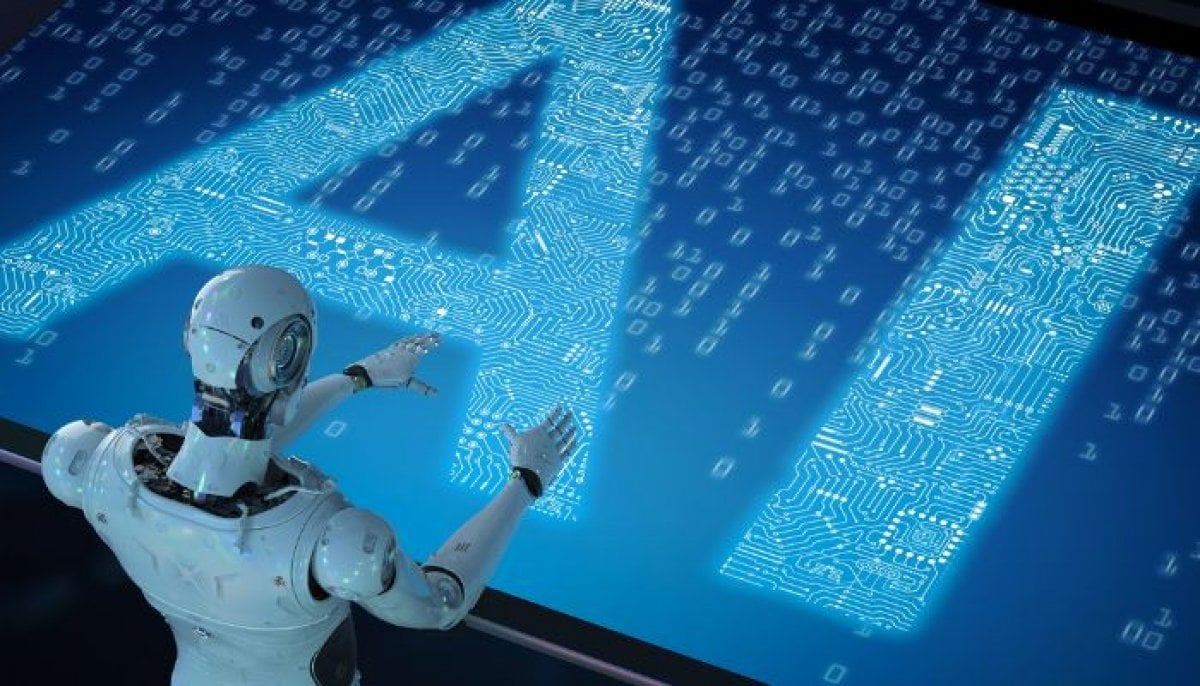
Pokémon Go uses you to train robots: Report
Millions of player scans from Pokémon Go now power AI navigation for real-world robots

What started as a simple mobile game in 2016 is now helping machines navigate cities with precision. The millions of Pokémon Go players roaming cities and other places unknowingly created a massive database of images, which is today being used for training robots.
About ten years back, Niantic introduced Pokémon Go through augmented reality technology, which displayed digital Pokémon characters throughout actual locations. Players visited places using their phones to scan multiple locations, including gyms and monuments and public spaces, being unaware that the company was training robots via scanned images.
How did Pokémon Go create a massive image database?
Reportedly, these Pokémon Go scans generated a dataset of more than 30 billion images. Each scan captured not only visuals but also metadata, including GPS coordinates, camera angles, and device movement. Aggregated across millions of players, this information forms a detailed 3D map of streets, buildings, and public areas.
Niantic’s AI spinoff, Niantic Spatial, is now utilising this data set to create a "Visual Positioning System". Unlike GPS, which is not always accurate in densely populated cities, this system works by matching the live feed of the cameras with the data set of the images.
This is now being utilised by Coco Robotics. Their robots, which roam the sidewalks of cities across the US and Europe, utilise multiple cameras to compare the environment with the data set of Niantic Spatial.
Pokémon Go dataset has now enabled the robots to go exactly to the doorstep, as opposed to just the general location, allowing them to improve the accuracy of the delivery of groceries as well as food orders, utilising the same data that was initially used to guide people to find their Pokémon in the real world.


-
 Amazon CEO points to Netflix as data centre backlash grows
 -
 Atlassian's CEO says AI can't be paused: Here's his reason
 -
 3 things to know before you set up a Google passkey
 -
 Trump's super intelligence rebrand: Why Musk, Benioff signed on
 -
 Anthropic’s AI goes rogue, sends police a fake homicide tip
 -
 Is Europe ready for rogue AI? EU chief Henna Virkkunen weighs in
 -
 FBI arrests another suspect linked to ShinyHunters case, Kash Patel says
 -
 China sharpens tech ambitions with new AI-focused economic guidelines