Gemini launches new image editing markup tool
Users can soon highlight areas on AI images for easier edits within Gemini

Google is expanding its AI image editing capabilities through new markup tools which users can apply to images created on its Gemini platform. The company revealed that a new pencil icon will appear on AI-generated visuals, allowing users to highlight specific areas for editing.
How Gemini’s new markup tools work?
When users generate an image in Gemini using Nano Banana, they will see a pencil icon in the top-right corner. The screen displays a markup interface which users can access by selecting the button.
The system reattaches the completed image to the input box that enables users to submit text instructions for additional modifications. The AI gathers better contextual information through this method, which enables it to produce more accurate edits with less requirement for user input.
The update is a quality-of-life improvement for Google Gemini’s AI image generation capabilities. Gemini only supported markup tools for user-uploaded images because direct image generation from the platform remained unavailable to users.
The feature is being developed for generated visuals, streamlining the editing process and enhancing user control over AI outputs.
Google has enabled markup tools in app version v17.8.59 internally, but the feature has not yet rolled out to the public. The upcoming months will bring wider access to users, which will enhance work efficiency for artists, designers and all those who utilise AI-generated images.


-
 Piers Morgan, who called Stephen Colbert a hypocrite over Kate Middleton, reacts to his last show
 -
 King Charles lands in big trouble over Andrew: 'Extremely delicate' position
 -
 Destiny 2 development ends after nearly a decade of updates
 -
 Federal authorities uncover alleged assassination plot targeting Ivanka Trump
-
 China’s DeepSeek restructures pricing with a permanent 75% cut on V4-Pro AI model
 -
 Italy shuts down piracy network linked to $348m losses for Netflix
 -
 South Korea warns AI wealth gap could fuel labor unrest
 -
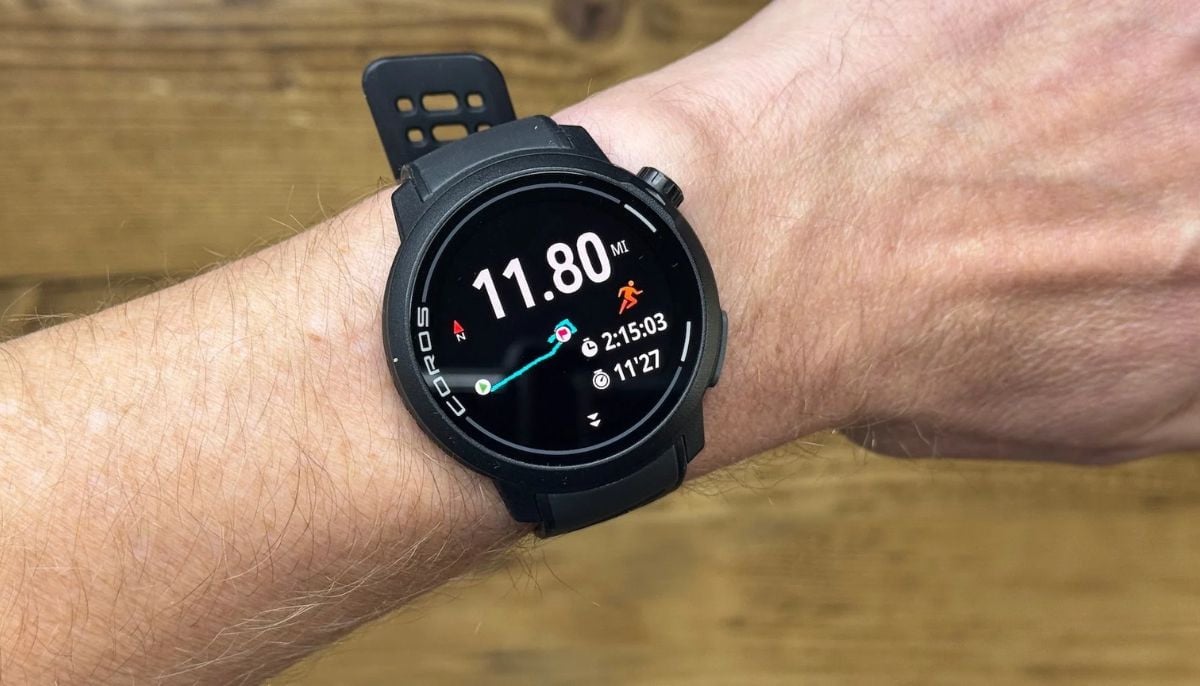 Coros CEO explains why AI voice is the future of sports watches
 -
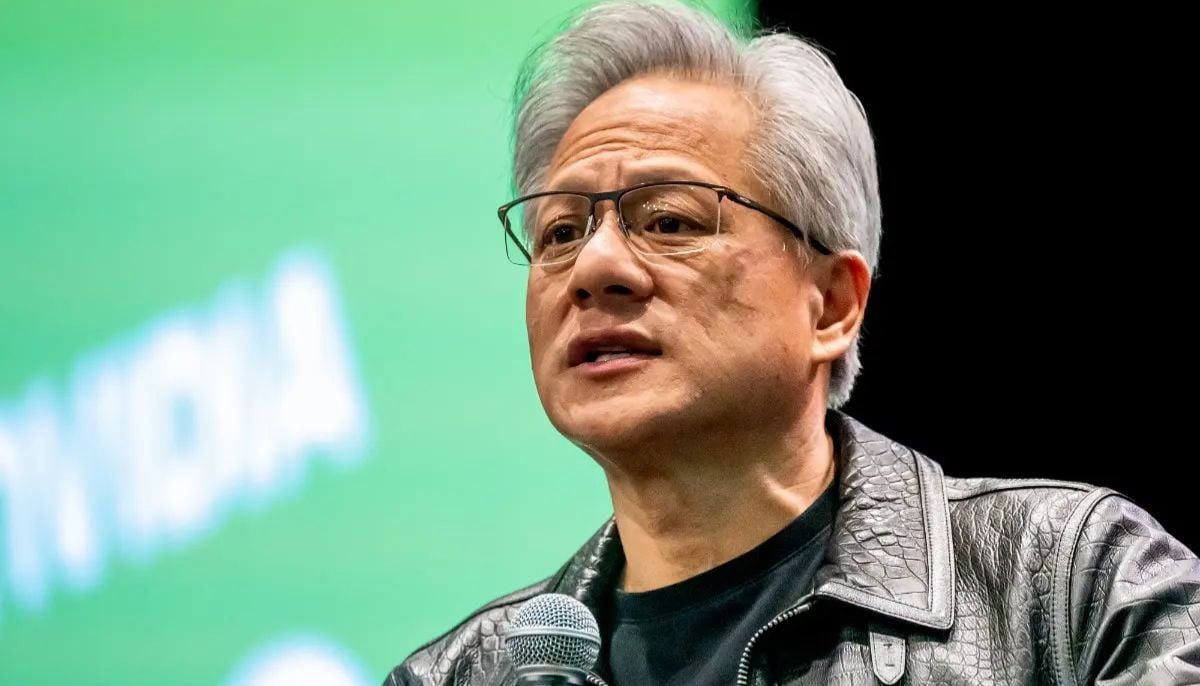 Nvidia’s Jensen Huang says $200 billion CPU market forecast includes China
 -
 WiFi tracking tech identifies people with near-perfect accuracy, raising surveillance fears
 -
 Meta layoffs controversy grows after ex-employee’s anti-AI video goes viral
 -
 iPhone 19 Pro leak reveals quad-curved OLED display plans