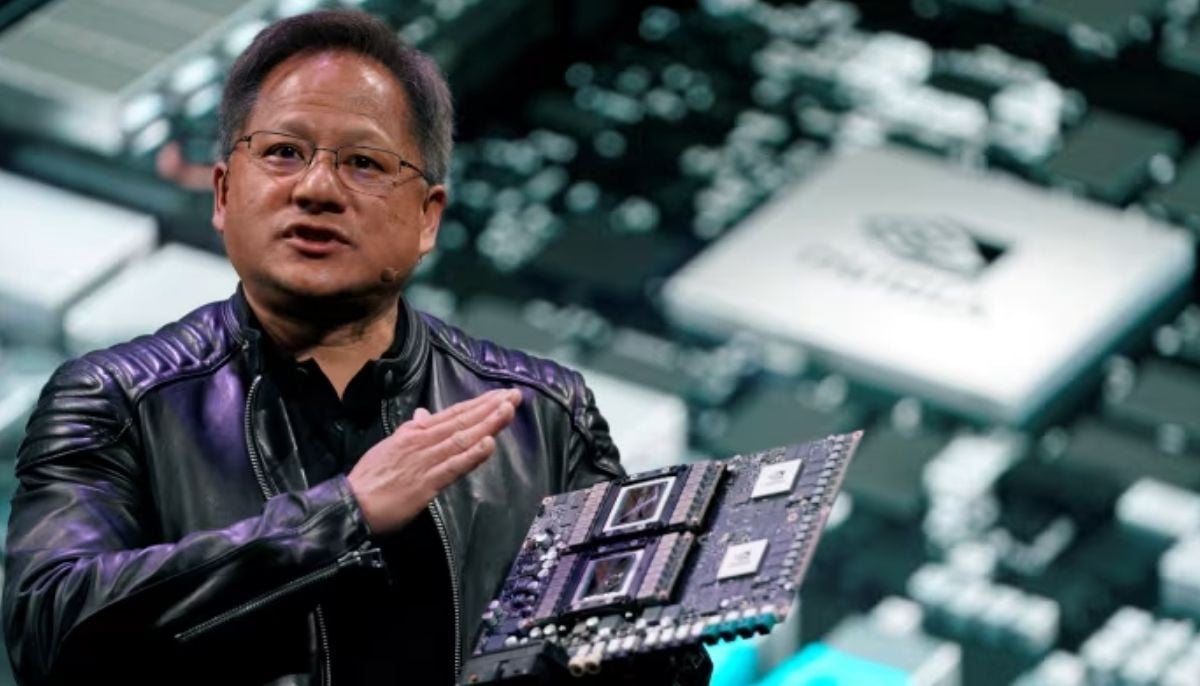
Nvidia vs Intel: Jensen Huang braces investors for renewed battle as chip wars reignite
Nvidia had minimized the chiplet approach-the strategy of breaking up chips into smaller parts that Intel and AMD. Instead, Nvidia’s CEO explained that their CPU is designed to carry out serial tasks in rapid succession, providing high-speed access to vast amounts of computer memory

Nvidia CEO Jensen Huang is aggressively preparing investors for a new phase of competition against long time rivals Intel and AMD. While Nvidia remains a central player in AI training, Huang is increasingly emphasizing the importance of the general-purpose CPU. He noted that while computing was once 90% CPU-based and 10% accelerated, the ratio had reversed in recent years. However, the CPU is making a comeback as an essential component for agentic AI, as companies shift from building models to deploying them.
CPUs vs. GPUs: Analyzing the shift in AI infrastructure
CPUs and GPUs have had distinct computing tasks for decades. CPUs are general purpose chips designed to handle complex tasks at reasonable speed. On the other hand, GPUs specialize in carrying out simpler calculations in parallel, performing thousands of operations simultaneously.
In this connection, Ben Barjarin, an analyst at Creative Strategies said: “AI companies are increasingly deploying agents that can independently carry out tasks such as writing code, shifting through documents and research reports."
Nvidia emerges as central CPU player to challenge Intel and AMD
Nvidia officially announced a deal with Meta Platforms, marking a significant strategic shift. Unlike Nvidia’s current AI servers where each CPU is paired with multiple GPUs, this deal focuses on the large-scale deployment of standalone Grace and Vera CPUs.
Huang’s view is that the architecture is designed for high-performance data processing. The primary reason is that most modern computing problems are data-driven with artificial intelligence being a prime example.
In this regard, Dave Altavilla, principal analyst at HotTech Vision and Analysis said: “Nvidia is aiming to prove that the CPT type once supplied primarily by Intel “is no longer assumed the default foundation of modern computer infrastructure.


-
 Dua Lipa's wedding outfit draws comparisons to Kate Middleton style
 -
 Taylor Swift likely to follow in Dua Lipa's footsteps after London wedding
 -
 Sydney Sweeney takes bold stance against original 'Euphoria' boss plan to cut nudity
 -
 Peter Phillips' half-sister to attend royal wedding: Harry and Meghan snubbed
-
 Google, Amazon under scrutiny: EU targets big tech giants with new cloud computing rules
 -
 No social media for under-16s: Malaysia rolls out new age restrictions
 -
 AI downtime costs surge as automation creates new risks
 -
 220 unicorn startups have lost their billion-dollar status. Here’s why
 -
 Anthropic to grant EU cybersecurity agency ENISA access to Mythos AI: Report
 -
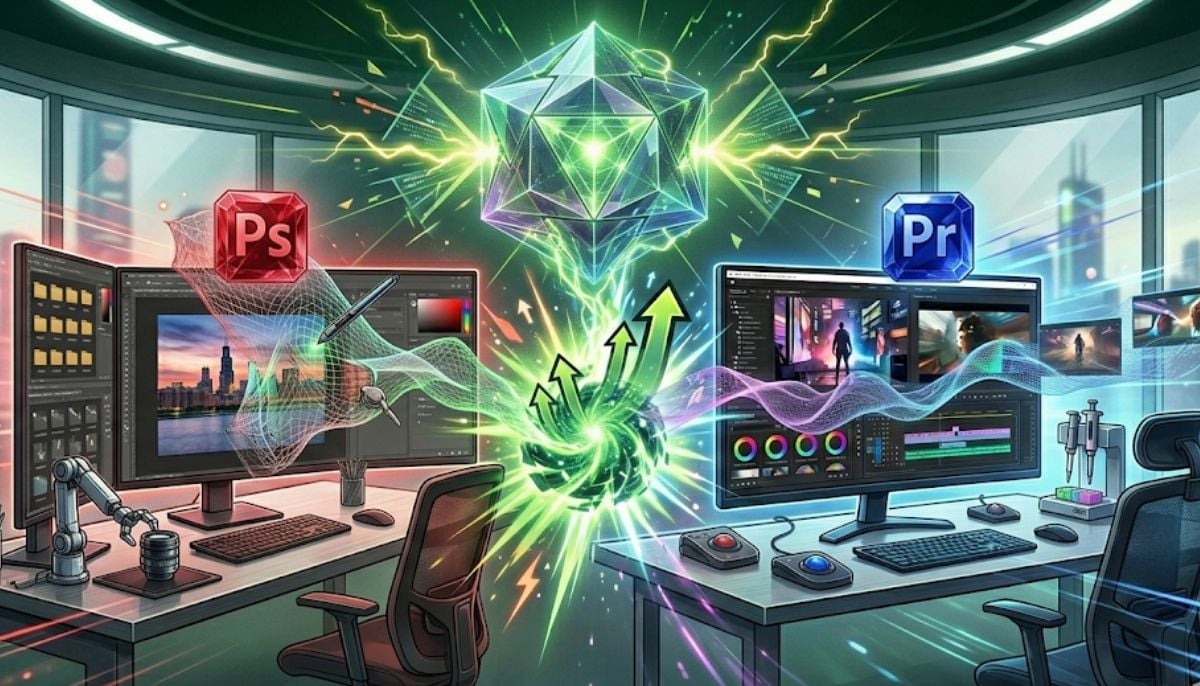 Adobe x Nvidia RTX Spark: Photoshop, Premiere get 2x AI speed boost
 -
 Why Nvidia CEO Jensen Huang calls AI job loss fears ‘complete nonsense’
 -
 Apple smart glasses delayed to late 2027: Report
-
 Here's why London is becoming the next battleground for AI giants
 -
Nvidia unveils Nemotron 3 Ultra: America’s smartest open-weights AI model, 30% cheaper to run
-
Nvidia unveils new CPU ‘superchip’ for Windows laptops: A new era for personal computers?
-
CNN sues Perplexity AI over alleged scraping of 17,000 news stories