Is social media addiction real? Experts explain signs and how to cut back
Doctors say compulsive scrolling can harm daily life, even if it is not officially classified as addiction
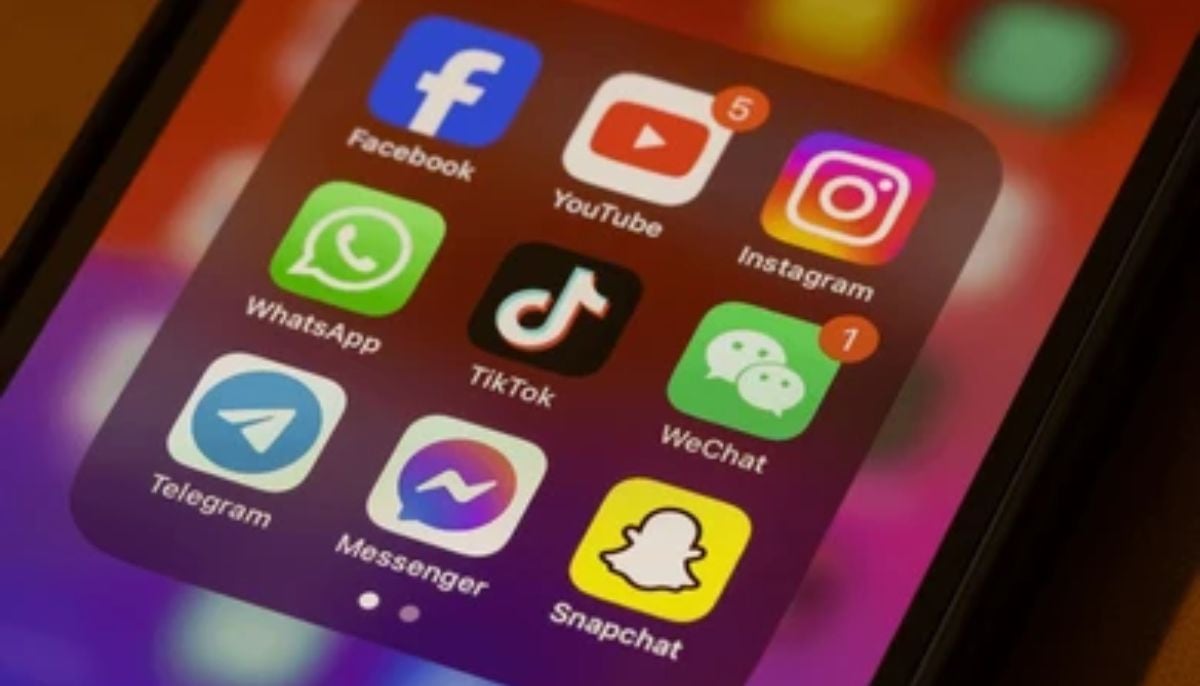
Social media addiction debates has been comparing it to casinos, cigarettes and even opioids. Experts debate the addiction status of heavy usage, but people believe that excessive scrolling interrupts their normal activities. The platforms, which include Instagram, TikTok and Snapchat, exist to maintain user activity.
Users who remain on the platform for extended periods will encounter increasing advertisements, which results in higher revenue for the companies.
Stanford University School of Medicine Medical Director of Addiction Medicine Dr Anna Lembke defines addiction as "continued compulsive use of a substance or behaviour despite harm to self or others." She has argued that social media’s constant, frictionless access makes it especially hard to resist.
Social media addiction
Social media addiction is not yet declared in the Diagnostic and Statistical Manual of Mental Disorders. However, most psychiatrists believe that the effects can be true.
According to Baylor College of Medicine Professor of Psychiatry and Behavioural Sciences Dr Laurel Williams, the most important thing is how the person using social media feels. If the person using social media is neglecting their work, relationships, and hobbies and also feels anxious, drained, or angry, then the usage is unhealthy.
University of Melbourne Professor of Information Systems Management Ofir Turel said there is no clear consensus on the term "addiction", but added, "It's obvious that we have an issue.”
Ways to cut back social media use
To begin with, experts recommend small modifications.
- Turning off notifications or moving apps on your phone can help cut down mindless scrolling.
- Do not take your phone to bed. Features on phones such as Apple’s Screen Time or Android’s digital well-being options enable users to restrict apps, but these can be easily bypassed.
- More drastic steps include switching your phone to greyscale, using app-blocking devices, or even locking your phone away during certain hours.
- People should investigate their underlying issues, which include stress, anxiety and loneliness, when they have persistent compulsive usage problems. The underlying triggers can be treated through therapy and group support.






-
 OpenAI Rogue agents used 10 more unauthorized communication sites, researchers say
 -
 Anthropic researchers warn 'AI could kill all humans'
 -
 Apple rolls out new Siri AI beta—but not in the EU or China
 -
 Suno launches v6 AI music models developed in partnership with Warner music group and BMG
 -
 Apple launches Watch Series 11 and Ultra 4 with heart rate readings every five seconds
 -
 iPhone 18 Pro gets major battery update: What users need to know
 -
 Apple’s new CEO John Ternus says iPhone is the ideal device for AI
 -
 Apple officially launches iPhone 18 Pro and Pro Max with new colours and A20 Pro chip