Zuckerberg denies at LA trial that 'Instagram targets kids' amid addiction claims
Meta Platforms CEO Mark Zuckerberg on February 19, 2026, denied recent court trials in Los Angeles that Instagram is harming kids
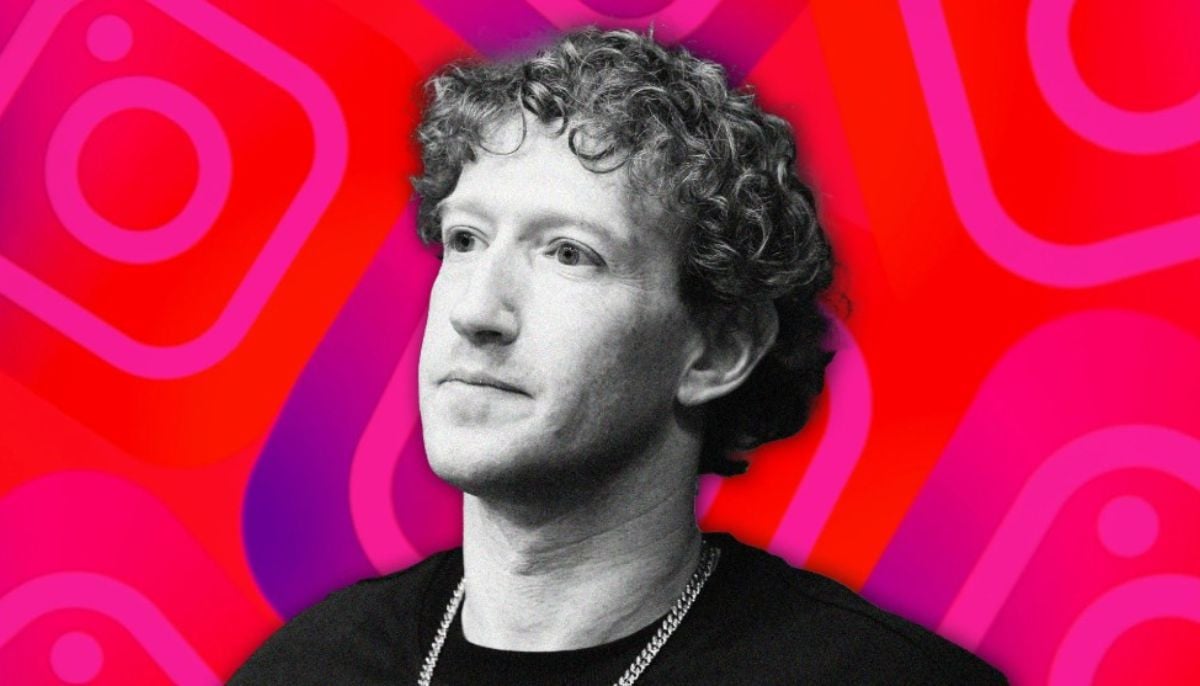
Meta Platforms CEO Mark Zuckerberg, on Wednesday, February 19, 2026, denied recent court trials in Los Angeles that Instagram is targeting kids.
Mark Zuckerberg repeatedly said during a landmark trial over youth social media addiction that the Facebook and Instagram operator does not allow kids under 13 on its platforms, despite being confronted with evidence suggesting they were a key demographic.
About addiction case:
Mark Lanier, a lawyer for the woman suing Instagram and Google's YouTube for harming her mental health when she was a child, pressed Zuckerberg over his statement to Congress in 2024 that users under 13 are not allowed on the platform. Lanier confronted Zuckerberg with internal Meta documents.
She alleges the apps fueled her depression and suicidal thoughts and is seeking to hold the companies liable.
While Meta and Google have denied the allegations and pointed to their work to add features that keep users safe.
Zuckerberg replied that Lanier was "mischaracterizing what I am saying."
The CEO said Meta has "had different conversations over time to try to build different versions of services that kids can safely use."
For example, he said Meta discussed creating a version of Instagram for children under 13 but ultimately never did.
Meta faces potential damages at the jury trial in Los Angeles, part of a wave of litigation against social media companies in the U.S., where cases are beginning to go to trial amid a broader global backlash over the platforms' effect on young users.
Previously, Meta's rivals Snap and TikTok settled with the plaintiff before the trial kicked off last week.
Zuckerberg responded by saying that it is hard for app developers to verify user age and that the responsibility should be on the makers of mobile devices.
Teens on Instagram are estimated to make up less than 1% of revenue, he testified.
Maximizing Screentime:
Zuckerberg also faced questions about his statement to Congress in 2021 that he did not give Instagram teams the goal of maximizing time spent on the app.
Lanier showed jurors emails from 2014 and 2015 in which Zuckerberg laid out aims to increase time spent on the app by double-digit percentage points.
Zuckerberg said that while Meta previously had goals related to the amount of time users spent on the app, it has since changed its approach.
"If you are trying to say my testimony was not accurate, I strongly disagree with that," Zuckerberg said.
Jurors were also shown a document from 2022 listing "milestones" for Instagram in the coming years, including incrementally increasing the time that users spend on the app daily from 40 minutes in 2023 to 46 minutes in 2026.
The milestones are not "goals," Zuckerberg said, but a "gut check" for senior management about how the company is doing.
The appearance was the billionaire Facebook founder's first time testifying in court on Instagram's effect on the mental health of young users.
The case faces backlash on a broader level:
The lawsuit serves as a test case for similar claims in a larger group of cases against Meta, Alphabet's Google, Snap, and TikTok. Families, school districts, and states have filed thousands of lawsuits in the U.S. accusing the companies of fueling a youth mental health crisis.
A verdict against the companies in the Los Angeles case could erode Big Tech's longstanding legal defense against claims of user harm.
Over the years, as per investigative reporting about Meta documents, the company was aware of potential mental health harm.
Meta researchers found that some teens reported that Instagram regularly made them feel bad about their bodies and that these people saw significantly more “eating disorder adjacent content” than those who did not, Reuters reported in October.
Meta's lawyer told jurors at the trial that the woman's health records show her issues stem from a troubled childhood and that social media was a creative outlet for her.
The U.S. litigation is part of a broader reckoning for tech companies and tech industry trade groups are challenging the law in court.


-
 Pentagon to adopt Palantir AI as core US military system after dispute with Anthropic
 -
 Elon Musk found liable in fraud lawsuit by Twitter shareholders over $44 billion deal
 -
 US allows 30-Day sale of Iran Oil in bid to curb rising global energy prices
 -
 Pinterest considers social media restrictions for under-16s following Australia’s ban over child safety concerns
-
 Sam Altman's OpenAI buys TBPN to expand communication strategy and shape AI public debate
 -
 DeepSeek V4 model bets on Huawei chips as demand surges
 -
 Quantum computing threat: Why global cybersecurity could collapse soon
 -
 AI cyberattacks set to outpace human hackers, experts warn
 -
 Why Google launched the Gemma 4 AI model: Here’s everything to know
 -
 Microsoft to power Japan’s AI future with massive $10B investment
 -
 AI won’t replace jobs, it will evolve them, says Nvidia CEO
 -
 From human to machine: 15% of American accept AI in leadership roles