Neuroscience-inspired chip lets robots see motion four times faster than humans
New neuromorphic chip enables robots to track fast-moving objects in real time, cutting processing delays by 75%

Researchers from Beihang University and the Beijing Institute of Technology in China developed a brain-inspired chip which enables robots to detect and react to movement at four times the speed of human visual processing.
The chip processes visual data through its design, which mirrors the human lateral geniculate nucleus (LGN) structure by giving priority to fast-moving or rapidly changing visual elements.
Traditional robotic vision systems rely on capturing static frames and detecting motion from brightness changes, which can introduce processing delays of over half a second.
In contrast, the new neuromorphic module detects light changes over time, significantly speeding up motion tracking. The robotic arms showed improved performance during simulated driving tests because their processing delays were reduced by 75% and their motion-tracking accuracy showed a 100% improvement.
“This study elevates video analysis speed beyond human levels by applying the brain’s visual processing principles to a semiconductor chip,” the research team said.
Interestingly, the chip enables autonomous vehicles and drones and human-robot interactions to achieve faster response times to gestures and facial expressions. The system uses optical-flow algorithms to interpret images and faces challenges with visually complicated environments but shows considerable progress in real-time robotic perception for controlled and domestic environments.



-
 China’s DeepSeek restructures pricing with a permanent 75% cut on V4-Pro AI model
 -
 How Microsoft is fixing AI bias in blind representation
 -
 Italy shuts down piracy network linked to $348m losses for Netflix
 -
 South Korea warns AI wealth gap could fuel labor unrest
 -
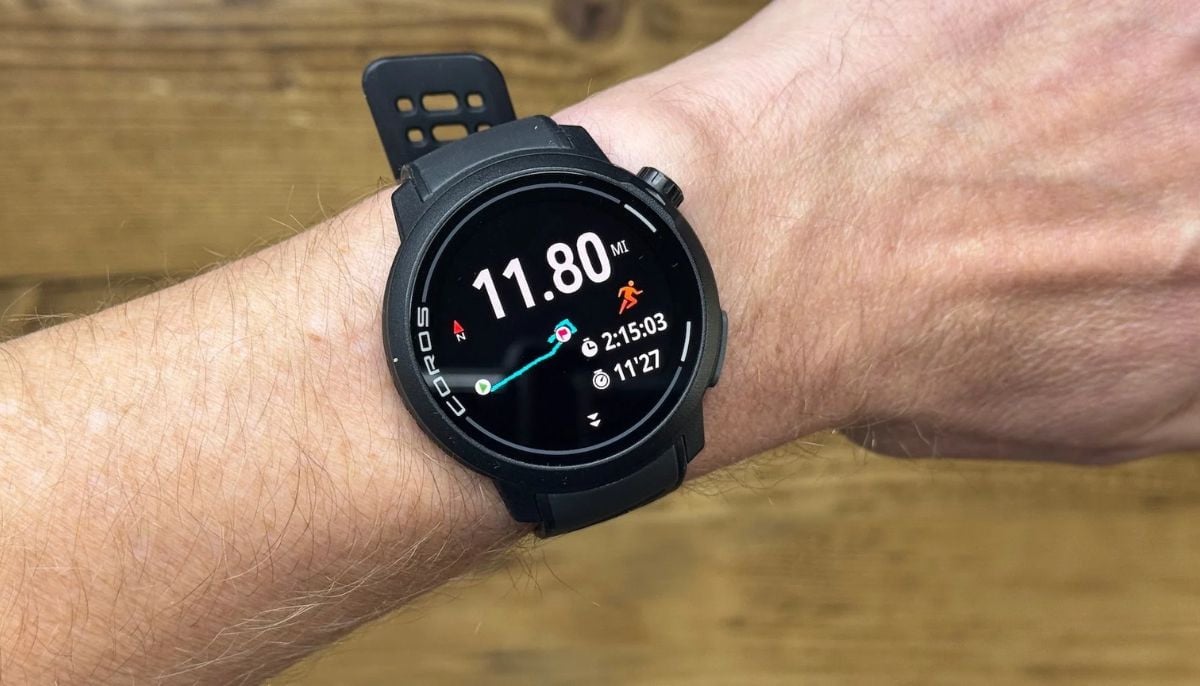 Coros CEO explains why AI voice is the future of sports watches
 -
 Nvidia’s Jensen Huang says $200 billion CPU market forecast includes China
 -
 WiFi tracking tech identifies people with near-perfect accuracy, raising surveillance fears
 -
 Meta layoffs controversy grows after ex-employee’s anti-AI video goes viral