ByteDance suspends viral Seedance 2.0 photo-to-voice feature: Here’s why
Seedance 2.0 is capable of creating 1080 high resolution clips from simple prompt
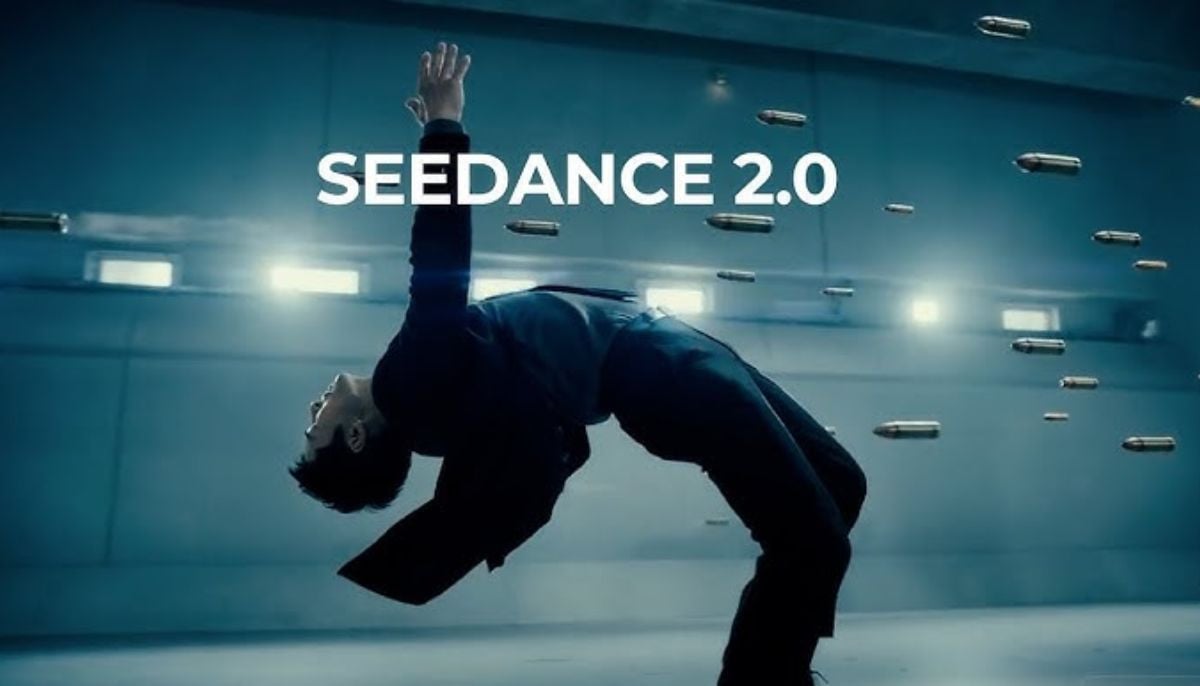
ByteDance has suspended Seedance 2.0 photo-to voice feature after the days of the AI video generation model’s release that took the internet by storm.
Seedance 2.0 is capable of creating 1080 high resolution clips from simple text, images, audio, or video based prompts. Some users are calling it “the next evolution of AI video.”
In the wake of emerging technical controversies, ByteDance has decided to hit pause on the photo-to-voice tool amid privacy and safety concerns.
The model reportedly generates highly accurate personal voice features only by using facial images even without user authorization or consent.
The company issued a statement, “To maintain a healthy and sustainable creative environment, we are making urgent changes based on user feedback and will not allow real-human-like photos or videos to be used as reference subjects.”
The privacy concerns came to fore in a recent test performed by Pan Tianhong’s media outlet MediaStorm. The outlet discovered a personal photo could allow the AI model to produce a voice nearly identical to the original one without using any voice-based prompt.
Given the industrialization of deepfake fraud and AI-enabled scams, such revelation has raised public concern over AI regulation. If misused, the feature could be exploited to enable new forms of online abuse.
Moreover, ByteDance’s Jimeng and Doubao apps introduced a live verification step. The users will be obligated to record their own image and voice developing a digital avatar.
Such measures will not only mitigate privacy risks but also ensure regulatory compliance without compromising innovation.


-
 Nvidia eyes major investment in Figure AI robotics: Here’s what to know
 -
 Google opens SynthID detector: Here’s how it can spot AI-generated media
 -
 Microsoft, Nvidia CEOs unveil breakthrough AI laptop at San Francisco event
 -
 ChatGPT faces new teen safety warning: What to know
 -
 Surface Ultra likely to launch at Microsoft October event: What to expect
 -
 Claude can now edit your Google Docs without leaving file
 -
 Jamie Dimon warns Anthropic Mythos sent AI cyber risk up ‘10-fold’
 -
 US politician slams Sam Altman over 'accept some bad things happening' remark
-
 Italy antitrust regulator opens investigation into AI music startup Suno
 -
Smart glasses face bans over privacy concerns: Full list of countries
-
Mistral AI new model beats Chinese competitors in cybersecurity, claims CEO
-
UK regulator probes Meta over child safety risks in Instagram's 'Instants' feature