Waymo trains robotaxis in virtual cities using DeepMind’s Genie 3
Waymo says AI generated streets help its robotaxis prepare for rare and risky scenarios
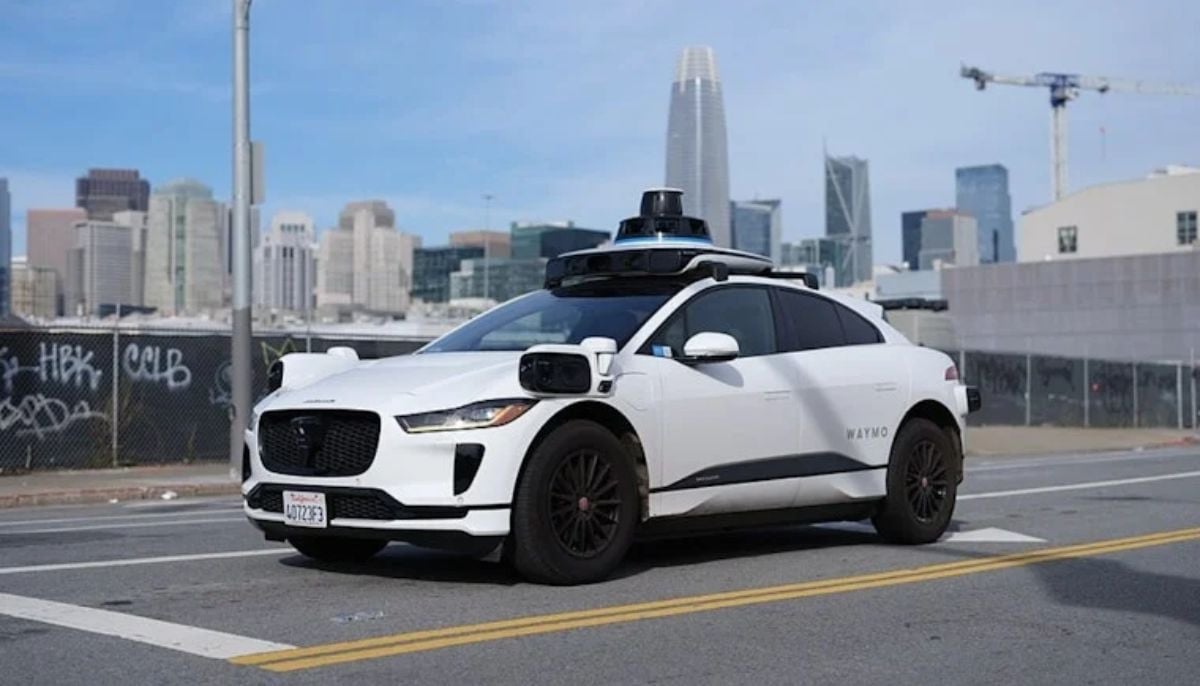
Waymo is training its robotaxis on city streets that exist only inside a computer. The self-driving company says it has built a new Waymo World Model using DeepMind’s Genie 3 to create photorealistic virtual streets where its vehicles can practise rare and dangerous scenarios.
The approach is designed to improve safety, speed up expansion, and better prepare robotaxis before they face real-world traffic.
How does Genie 3 power Waymo's robotaxis?
In a blog post, Waymo said the World Model is built upon Genie 3 and can generate realistic camera images and lidar data that mirror real driving sensors. Engineers can run "what if” tests by changing weather, time of day, or road layouts using simple language prompts. This allows the Waymo Driver software to learn from a mix of real journeys and synthetic events.
DeepMind’s Genie 3 is designed to generate interactive 3D environments from text prompts while keeping scenes consistent over time. Waymo says it has further trained the model specifically for driving, aligning it with the rare edge cases its fleet may encounter.
Waymo operates a major depot in Bayview and is headquartered in Mountain View. The company uses local driving data to build targeted simulations of San Francisco streets.
Examples include foggy junctions and even the Golden Gate Bridge under light snow. Waymo says combining local data with AI-generated scenarios shortens learning time in new neighbourhoods.




-
 Meta AI detector fails to spot its own cropped images
 -
 Leak reveals iPhone Ultra's foldable battery capacity
 -
 End of private chats? Inside Europe's Chat Control 1.0 controversial push
 -
 UK puts Microsoft, Google, Amazon, Oracle under new oversight: Here’s why
 -
 EU orders Instagram, Facebook to change addictive design or face fines
 -
 OpenAI, Google sold AI access to blacklisted China firms
 -
 Technology drives surge in attacks targeting UK, police say
 -
 Google admits biggest Gemini app problems, promises major fixes