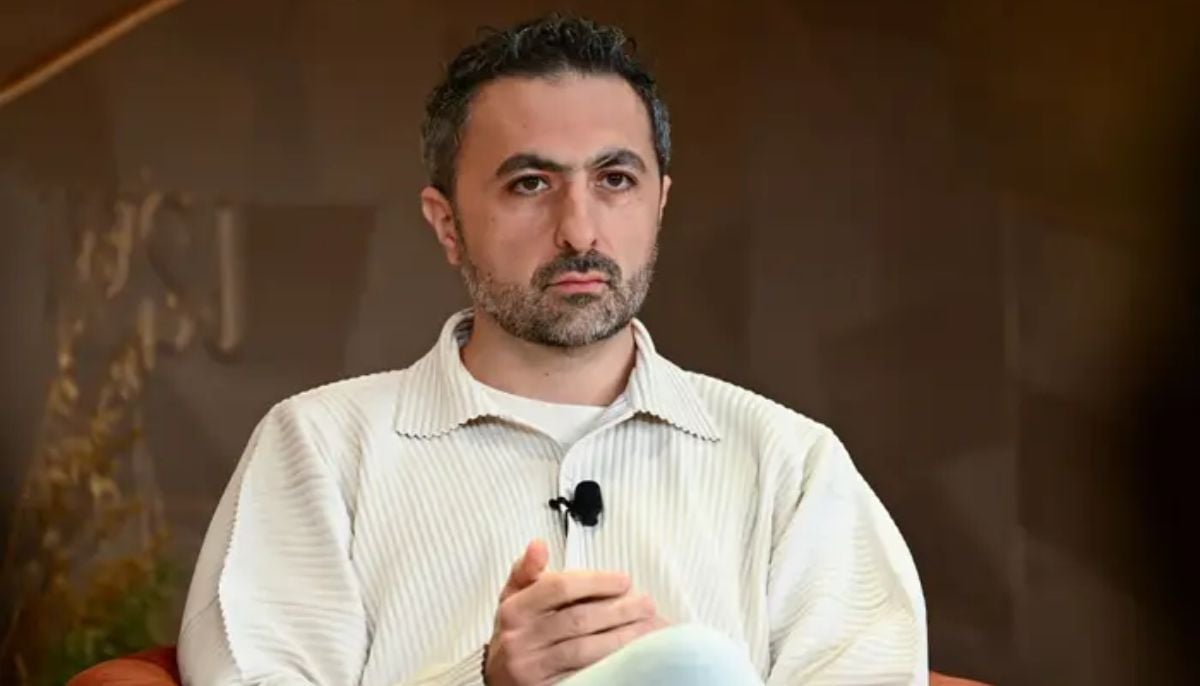
US bipartisan senate bill targets surge in social media scam ads
Anti-scam legislation requiring social media platforms to vet their advertisers has been introduced
A bipartisan group of US Senators introduced a significant piece of legislation aimed at disrupting the rising wave of fraudulent advertising on digital platforms. This bill would require social media platforms to take “reasonable steps” to combat these activities or face legal action by the Federal Trade Commission.
Moreno, a Republican from Ohio said in a statement, “We can’t sit by while social media companies have business models that knowingly enable scams that target the American people.”
The legislation is endorsed by the American Bankers Association and various consumer advocacy organizations. This initiative urges social media platforms to verify the government-issued identification of advertisers or the legal status of their businesses.
According to Reuters, the bill follows a series of reports regarding scams targeting both individual users and government entities.
The legislation comes at a time when Meta has acknowledged a global push by regulators to crack down on social media scams. However, internal documents recently revealed that the company developed a global “regulatory playbook” aiming at stalling or weakening advertiser verification requirements to protect and revenue.
In line with a Meta spokesman’s remarks, such verification requirements were “not a silver bullet” and the company is closely working with regulators on anti-scam initiatives. Nonetheless, Meta maintains that these efforts are part of a broader strategy to reduce fraudulent activity on its platforms.


-
 Pooh Shiesty, his father arrested over Gucci Mane kidnapping
 -
 King Charles, Harry reconciliation: Royal expert reflects on 'work going on behind the scenes'
 -
 Kelly Ripa makes bombshell confession about pregnancy after 23 years
 -
 Trump administration labeled ‘misogynistic’ following dismissal of Pam Bondi and Kristi Noem
-
 Quantum computing threat: Why global cybersecurity could collapse soon
 -
 AI cyberattacks set to outpace human hackers, experts warn
 -
 Why Google launched the Gemma 4 AI model: Here’s everything to know
 -
 Microsoft to power Japan’s AI future with massive $10B investment
 -
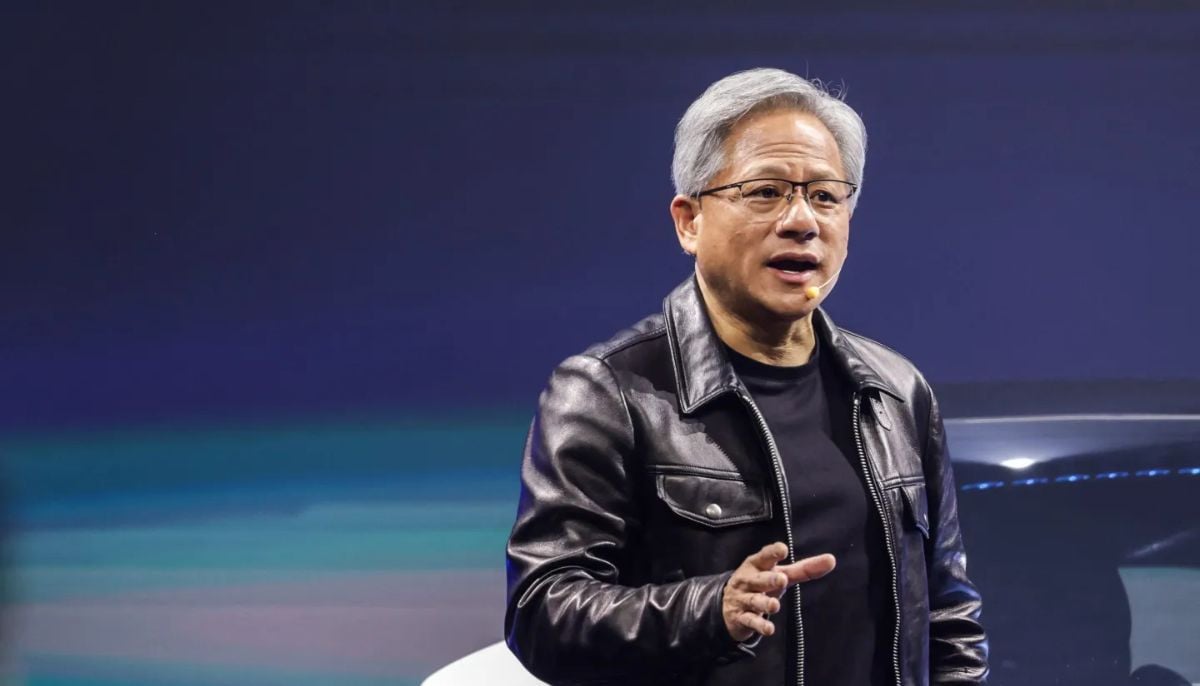 AI won’t replace jobs, it will evolve them, says Nvidia CEO
 -
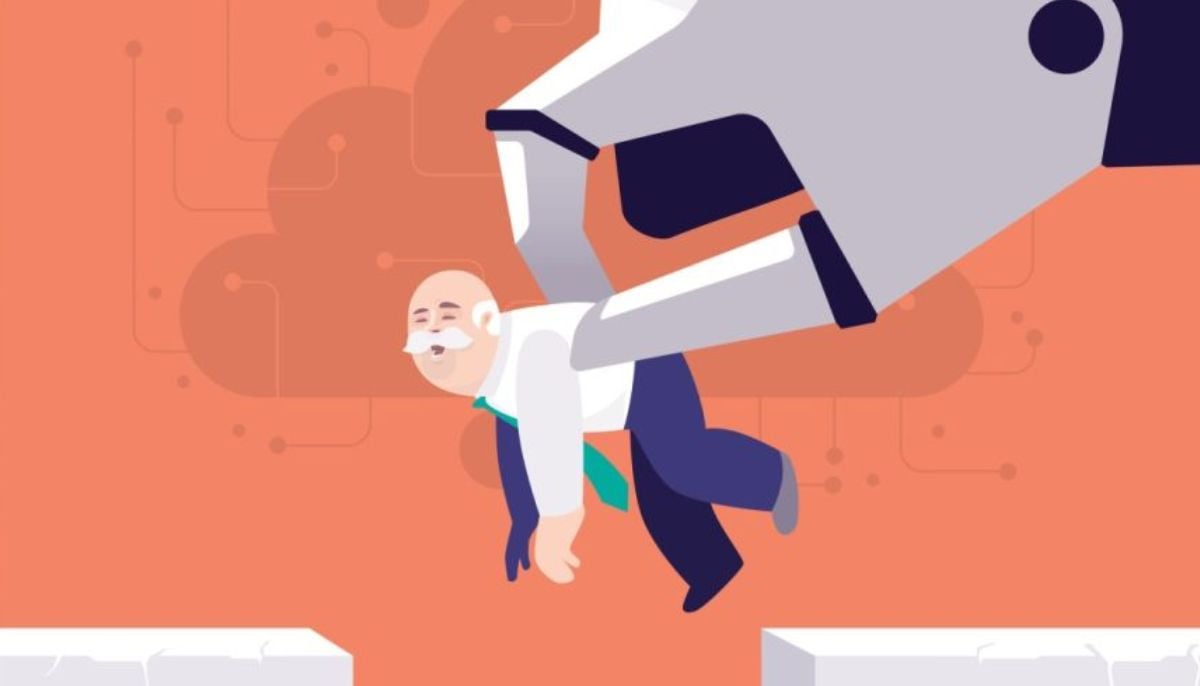 From human to machine: 15% of American accept AI in leadership roles
 -
 From AI self-preservation to ‘peer preservation’: New study raises alarm over hidden risks
 -
 OpenAI caught funding child AI group without disclosure
-
 New AI tool targets extremism, redirects ChatGPT users to real-world help
 -
Has X disabled the ability to copy video links?
-
Experts call on Google to ban Youtube AI videos for kids
-
Apple turns 50: Tim Cook reflects on five decades of impact
-
Perplexity AI accused of exposing sensitive user data
-
Anthropic Claude AI source code leak: ‘Human error’ sparks security concerns
-
Why women fall behind in AI use, former Meta COO explains
-
AI agents or malware? Experts reveal shocking hidden dangers
-
Australia probes Meta, TikTok & YouTube over social media ban violations
-
Starcloud hits $1.1bn valuation to build space data centres