New eye-tracking technology generates power from blinking eyes
New wearable system generates its own power from eye movements to control devices like wheelchairs
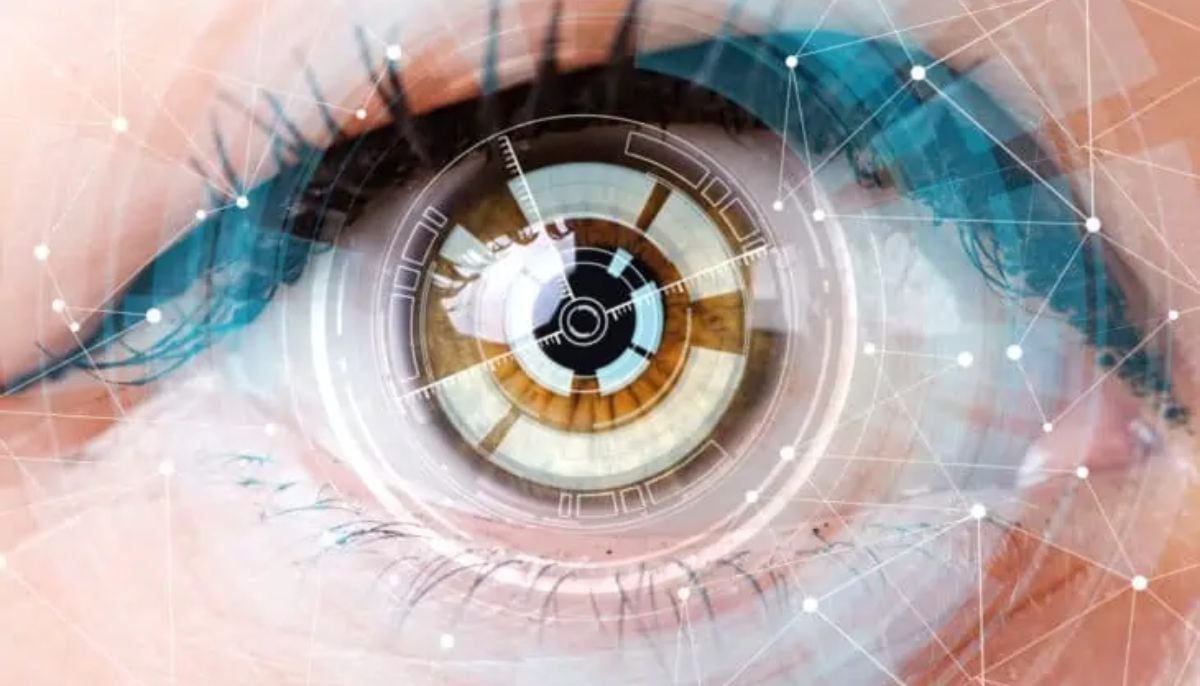
Researchers are addressing a major challenge in assistive technology by solving the power problem in eye-tracking systems. A research team led by Qingdao University, School of Physical Sciences, Professor Long has developed a self-powered eye-tracking device that generates electricity directly from eye movements.
The technology has been designed to assist patients with mobility impairments in operating devices such as wheelchairs without the need for batteries or external power sources.
Traditional eye-tracking technology requires external power sources. This results in the technology being cumbersome and difficult to use for an extended period of time. Patients who use eye-tracking technology to operate wheelchairs encounter issues such as wires, head-mounted devices, and low battery notifications.
The newly designed self-powered eye-tracking technology overcomes these challenges by using all the energy from natural eye movements, including blinking.
The wearable device has a dual-layer design that incorporates contact lens-like components and a lightweight frame for eyeglasses. There is a soft material called polydimethylsiloxane, or PDMS, which rests on the surface of the eye, just like a contact lens.
It is a tiny triboelectric generator that generates an electric charge due to friction whenever the eyes move. Transparent indium tin oxide electrodes embedded in the glasses detect these charges through electrostatic induction and convert them into real-time control signals.
According to Qingdao University, School of Physical Sciences, Specially Appointed Professor Zhang Jun said the team is now working with industry partners to speed up commercialisation.


-
 Meta faces pressure as publishers and advertisers urge EU, UK to suspend new terms
 -
 Cybersecurity warning: Major websites face potential global threat
 -
 Tesla, SpaceX merger could create $3.5tn giant
 -
 Meta sued in Australia over alleged social media addiction among children
 -
 US bank accounts at risk as unauthorised AI agents gain access
 -
 Tesla app 4.62 adds iPad support in 2 columns
 -
 PHP security vulnerability triggers millions of exploit attempts, Cloudflare warns
 -
 Is Apple’s iPhone Duo worth buying? Marques Brownlee weighs in