Elon Musk’s SpaceX unveils plan for world’s biggest AI data center in orbit
'The space-based data centers will be true within two years, three at the latest,' Musk says
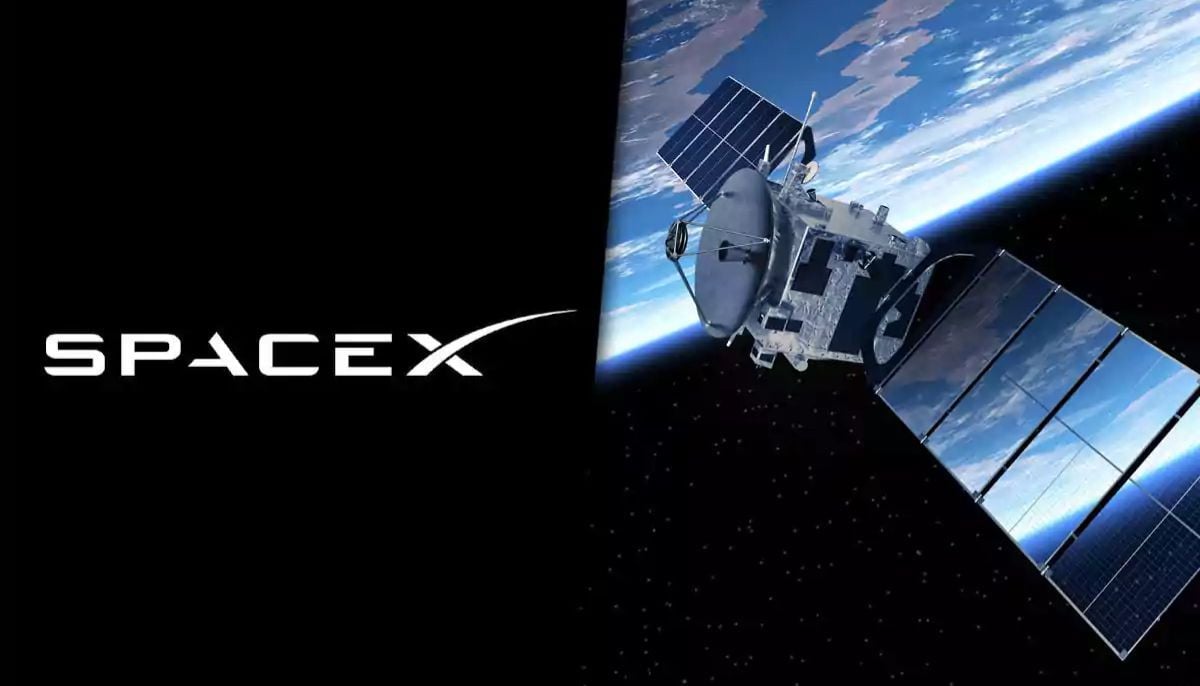
In the age of rapid tech advancements, artificial intelligence is not confined to the terrestrial landscape. In futuristic vision, AI is set to make inroads in space in the form of data centers.
In this regard, the concept of “orbital computing” has transitioned from science fiction to a trillion-dollar strategic frontier.
SpaceX is at the helm of this shift as it is leveraging its launch dominance to build the space-based AI data center.
The aerospace company is executing a plan to build the world’s first and largest AI data center network, aiming to solve the terrestrial AI bottlenecks, including energy and cooling.
In recent development SpaceX is seeking approval to launch up to one million satellites designed to function as a network of orbital data centers.
On Friday, the company filed a request for approval with the Federal Communications Commission, describing the project as a “constellation of satellites with unprecedented computing capacity to power advanced artificial intelligence models and the applications that rely on them.”
Given the unprecedented scope, the project outshines the existing Starlink constellation, spanning over 9600 satellites in Earth orbits.
These satellites would deliver massive computing power to support cutting-edge AI models and data processing.
To tackle the energy-based bottleneck, the centers would utilize near constant solar energy, thereby slashing the operational costs, reducing environmental costs, and meeting the increasing computing demands of AI systems.
High speed laser links would connect the satellites with each other and with the Starlink network, enabling petabit level data transfer.
In recent times, the space junk has caused concerns among the experts marked by satellite congestion and collision, thereby damaging the low Earth orbit.
According to Elon Musk, space-based data centers would offer panacea to space debris caused by overcrowding.
Taking to X, the 54-year-old billionaire responded, “The satellites will actually be so far apart that it will be hard to see from one to another. Space is so vast as to be beyond comprehension,” downplaying the fears of possible collision.
Earlier this month at the World Economic Forum in Davos, the CEO of Tesla said, “It's a no-brainer building solar-power data centres in space ... the lowest-cost place to put AI will be space, and that will be true within two years, three at the latest.”
This year SpaceX is set to go for an initial public offering that could put the company’s value at $1 trillion. As reported by Reuters, some funding will be used for AI data center satellites development.


-
 Google’s flagship AI model Gemini 4 Argon is here: What developers need to know
 -
 Apple unveils new HomePod mini 2 colors: What to know
 -
 Apple debuts HomeView smart display and next-gen home devices powered by conversational Siri AI
 -
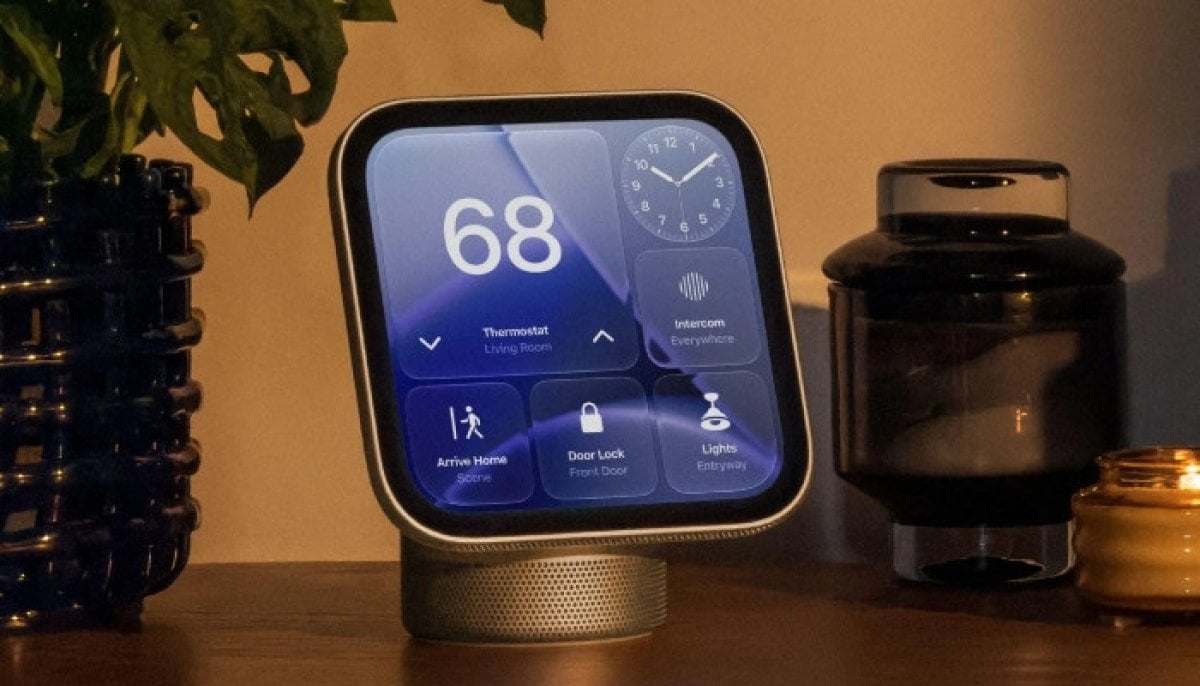 Apple launches HomeView: Here’s what the $299 Siri AI smart home hub can do
 -
 Meta challenges UK online safety watchdog: Here’s why
 -
 Character.AI files for bankruptcy, agrees to $20M disney asset sale
 -
 Scott Kupor reveals how the ‘Super Intelligence’ task force will push AI safety
 -
 Geoffrey Hinton, Yoshua Bengio join 400 scientists calling for global AI oversight body
-
 Can AI predict people's thoughts? Palantir CEO Alex Karp weighs in
 -
Anthropic warns small AI models may soon self-replicate across connected devices
-
Philippine lower house approves bill restricting minors' social media access
-
Google Translate adds auto-save for Live Translate transcripts, with one catch