Apple shifts focus to premium iPhone launches in 2026: report
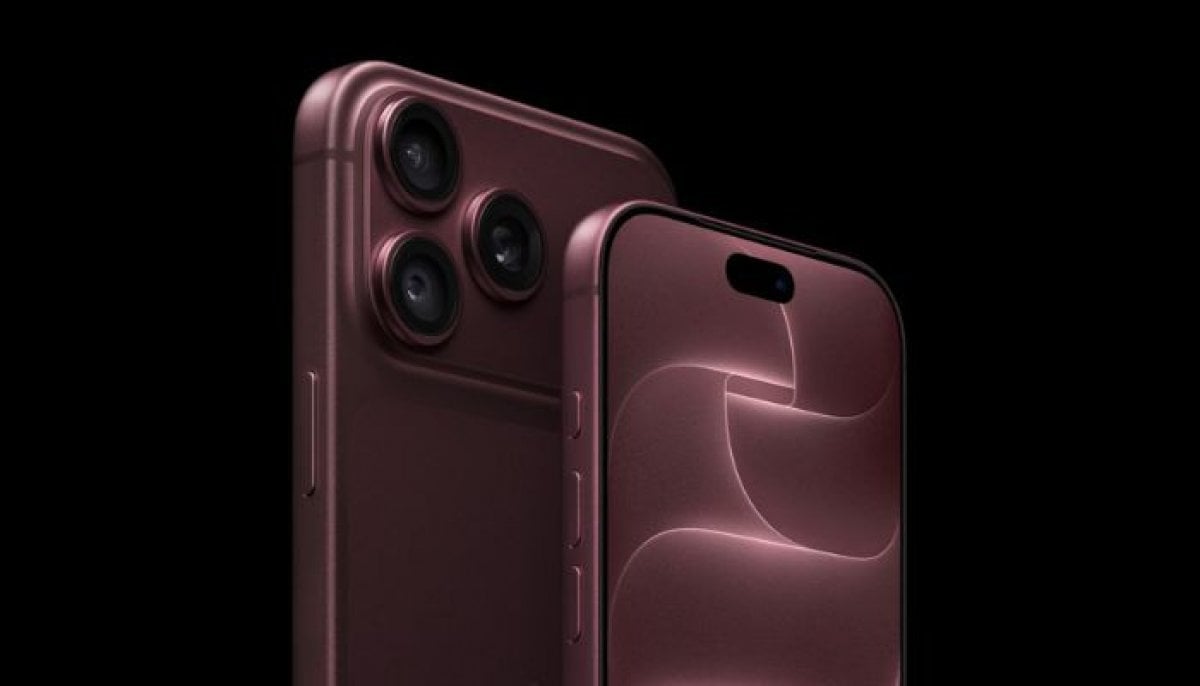
Apple is prioritizing production and shipment of its three highest-end iPhone models for 2026
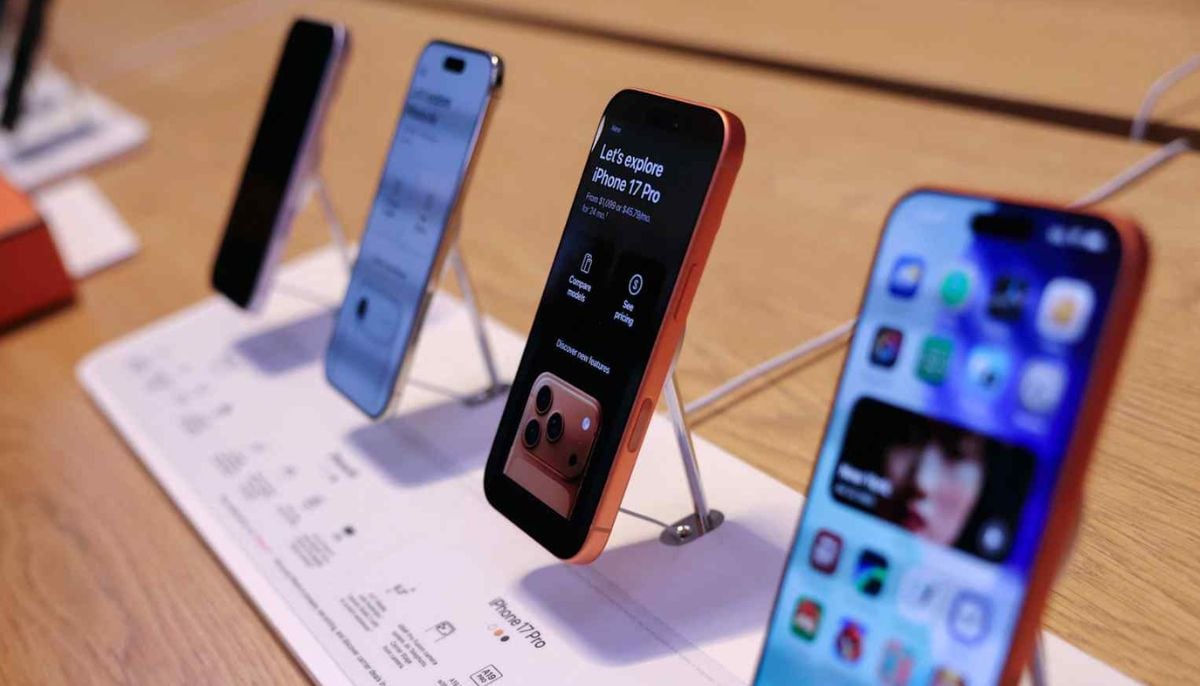
Apple is undergoing a significant shift in its product strategy for the upcoming year, delaying the roll out of its standard model due to marketing strategy shifts and supply chain constraints, as reported by Nikkei Asia.
Apple is moving away from its traditional simultaneous launch schedule to protect the supply and margins of its most profitable devices.
In line with the current report, the US tech giant is effectively working to deliver its first-ever foldable iPhone alongside two non-folding models featuring upgraded cameras and larger displays, all slated for launch in the second half of 2026.
Conversely, the standard iPhone 18 is now scheduled to ship in the first half of 2027.
The move is primarily aimed at optimizing resources and maximizing revenue and profits from premium devices in the wake of rising costs for Apple’s first foldable devices.
Furthermore, the report underlines Apple’s strategy to minimize production risks associated with the complex industrial techniques required for its first foldable devices.
An executive at an iPhone supplier, in conversation with Nikkei Asia, stated: "Supply chain smoothness is one of the key challenges of this year, and the shift in marketing strategy also played a part in the decision.”
Furthermore, Apple on Thursday reported a significant beat on Wall Street estimates for quarterly revenue, fueled by robust iPhone demand in China.





-
 OpenAI, Anthropic and Google join forces on AI safety efforts
 -
 Meta to deploy custom Arke and Astrid AI chips in 2027: Everything to know
 -
 Dreamforce 2026: Salesforce unveils Koa AI model and Google Cloud partnership
 -
 EU Kids Act: New social media rules for under-15s
 -
 China’s spy chief reveals growing fears over AI’s impact on communist party rule
 -
 Anthropic's new Claude tool targets financial advisors to streamline compliance and client research
 -
 Elon Musk’s bold AI safety idea: 'Let rivals test each other’s models'
 -
 Former Google DeepMind researcher warns autonomous AI could wipe out humanity amid industry-wide safety alarm