Google agrees to $68 million settlement over voice assistant spying lawsuit
Google has agreed to settle a long-standing class-action lawsuit originally filed in 2019 regarding its voice assistant’s privacy practices
Google has reportedly agreed to a $68 million settlement to resolve a class-action lawsuit alleging that its voice assistant “spied” on users by recording private conversations without consent.
Google did not admit wrongdoing, despite the lawsuit accusing the company of unlawful, intentional interception and the recording of an individual's confidential communications without their consent.
The lawsuit further claims that Google wrongfully transferred private data gathered from these recordings to third parties intended for advertising and other purposes.
The settlement details how Google disclosed these unauthorized recordings to outside contractors.
At the center of the recent controversy are “false acceptances” where Google Assistant allegedly activated and recorded user communications without the required wake word.
TechCrunch has reached out to Google for comment regarding the settlement. Currently the rise in legal claims reflect long-held American fears that their devices are secretly spying on them.
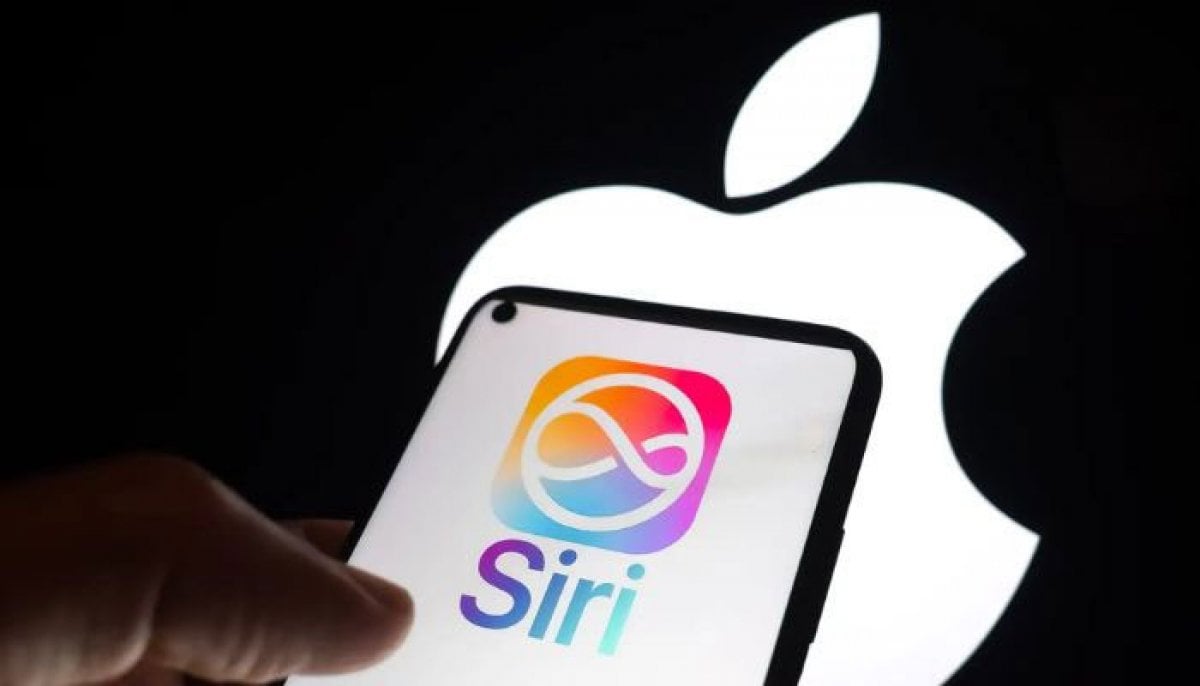
It has been observed that in September 2025, Apple received final approval for a $95 million settlement over allegations that Siri recorded user conversations without a prompt. Similarly, Google has faced a wave of privacy-related litigation mirroring the legal challenges of other tech giants.
Google faced multiple lawsuits throughout 2025 with several significant developments occurring that year. Notably, the company finalized a % 1.375 billion settlement with the state of Texas to resolve claims that it violated state privacy laws, including the unauthorized collection of biometric data.






-
 US House committee accuses South Korea of discriminating against Coupang
 -
 X offers $1m to creators with new live studio launch
 -
 Google suffers major defeat as EU court upholds €4.1 billion antitrust fine
 -
 Amazon building more devices with in-house AI chips, says executive
 -
 OpenAI seeks to hand Trump administration a 5% stake under new proposal: Here’s why
 -
 Portugal debuts first open-source AI model as Europe pushes for tech sovereignty
 -
 UN issues stark warning as rapid AI growth may worsen global inequality
 -
 Apple Blocks Siri AI on EU iPhones, Here's Why