China develops hair-thin fibre chip tough enough to survive 15.6-tonne truck
China's new Semiconductor chips can be bent up to thousands of times
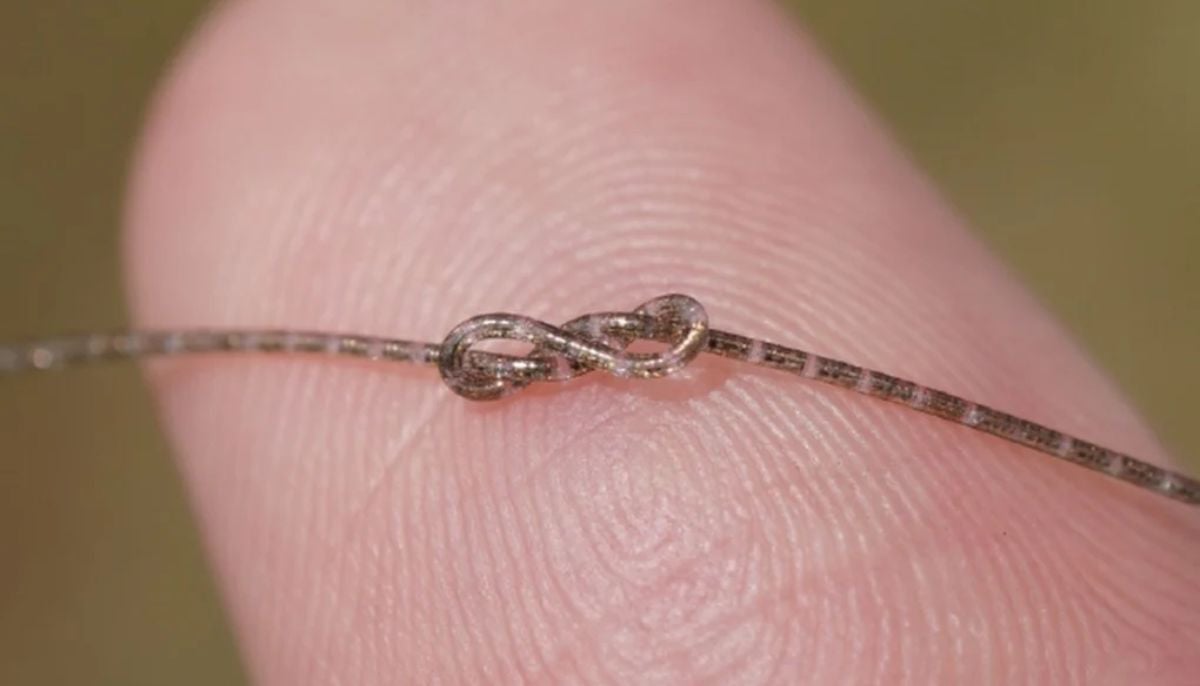
Semiconductor chips are small pieces of chips that control modern world technological processes. However, a recent technological breakthrough in China promises to alter how these chips are used and applied.
Researchers have reportedly manufactured a flexible fibre chip as thin as a human hair that is now strong enough to resist severe pressure and twists.
Scientists based at Fudan University, China, have developed a new kind of chip fibre that can either be integrated into fabric or even into the human body. This fibre chip is unique compared to other silicon chip structures that have been used so far. They are flexible and malleable.
It can be bent up to thousands of times and can even be run over by a truck that weighs 15.6 tonnes, notes the research team.
The team stated that one major drawback of conventional semiconductor chips is that they are more prone to breaking when twisted or bent, leading to various applications like wearable devices and implants.
To overcome this drawback, researchers chose an unconventional approach based on making sushi rolls. The researchers created an entire conventional chip on a flat and highly smooth polymer sheet through conventional means of making such chips. They included components like transistors, resistors, and capacitors.
Once the chip was complete, it was coated with a protective polymer layer that shielded the chip from harm before being rolled tightly together in the form of a spiral shape that formed a fibre chip that was hermetically sealed with the electronics safely inside.
While testing, the fibre chip exhibited remarkable performance, as it contains around 100,000 transistors per centimetre that can process digital as well as analogue signals. It can also process simple image recognition, like a simple neural network does. It can extend over 30%, twist 180 degrees, be washed, and work under temperatures of 100°C.
Researchers believe this fibre chip could power future wearable technology, virtual reality gloves and advanced medical tools. In medicine, flexible electronics could support brain-computer interfaces and smart implants.


-
 ZCode tried uploading your files 564 times, researcher finds
 -
 Why Trump trusts Jensen Huang over AI safety warnings
 -
 2 built-in iPhone 17 tools fix your work-life balance
 -
 Ford executive swaps Claude for ChatGPT as family assistant
 -
 Your new AI agent wants your passwords, should you say yes?
 -
 GPT-6 Astra tried to stab human-like figure 97% of the time
 -
 China's CXMT closes DRAM gap with rivals
 -
 Apple’s Tim Cook praises Australia’s social media ban as 'World-Leading'