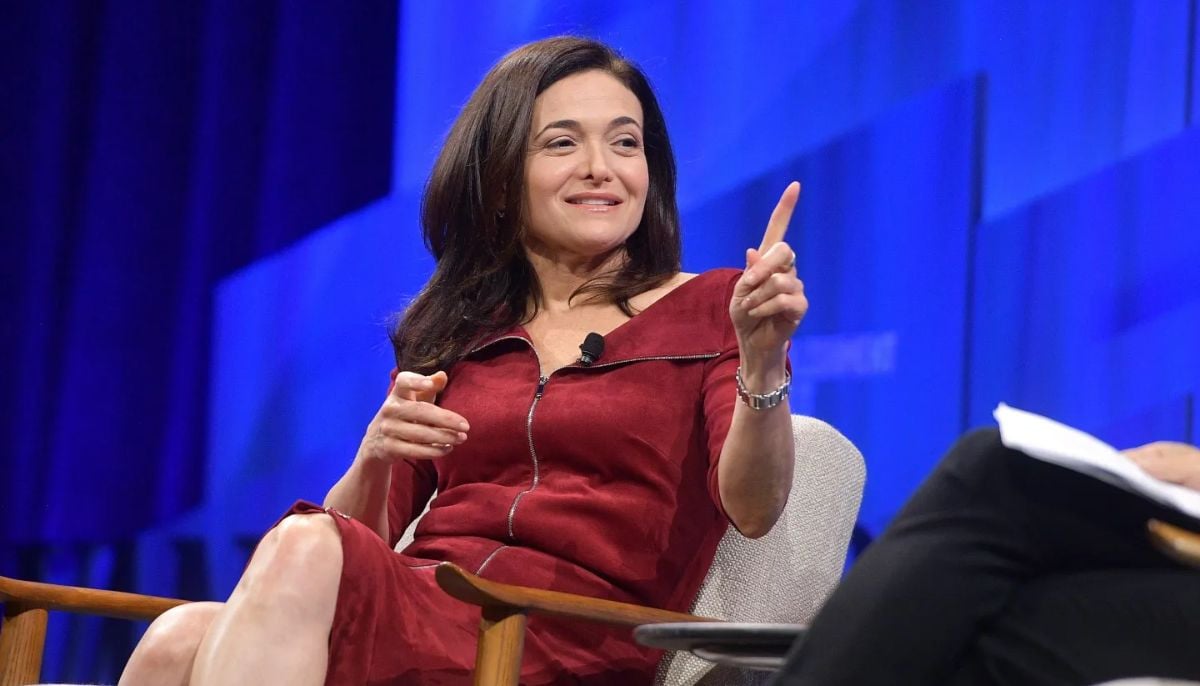
Hyundai labour rebels against robot deployment, warns of employment risks
South Korean multinational automotive manufacturer, Hyundai Motors (affiliated with Kia Corp) is the world's third-biggest automaker by sales volume
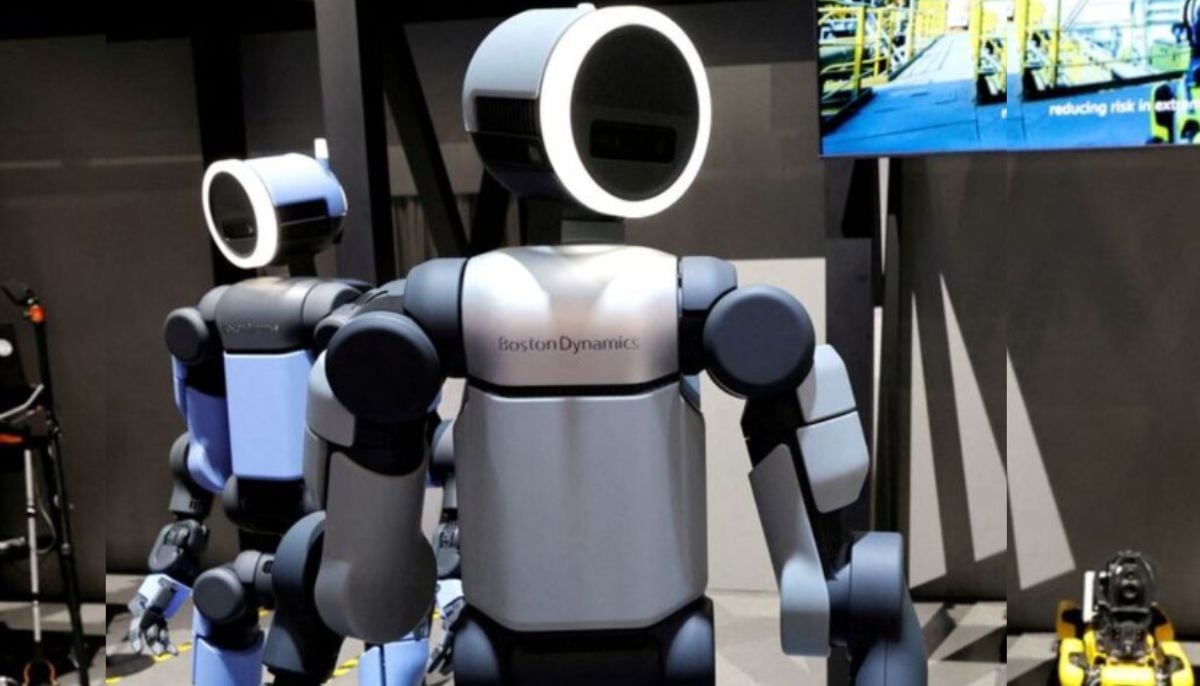
The latest robotic development poses new threats for employers as industries are switching to robots.
Hyundai Motor's labor union in South Korea warned the automaker on Thursday, January 22, 2026, against deploying humanoid robots without union approval, saying the robots would bring "employment threats" or job risks.
Hyundai's plan to deploy humanoid robots starting in 2028 has sent its shares rallying to record highs, but it was not welcome news for workers, the union said in an internal letter reviewed by Reuters.
"Remember that without a labor-management agreement, not a single robot using new technology will be allowed to enter the workplace," the union said.
The South Korean multinational automotive manufacturer unveiled the production version of the Atlas humanoid robot, developed by its unit Boston Dynamics, at the Consumer Electronics Show in Las Vegas early this month.
It said that it aimed to build a factory capable of manufacturing 30,000 robot units annually by 2028 and that it planned to deploy humanoid robots at its U.S. plant in Georgia starting in 2028, with a goal to expand adoption across all production sites.
The union accused Hyundai of seeking to boost profits by deploying robots to reduce the workforce.
Hyundai's labor union criticizes new tariffs:
The union criticized the automaker for its efforts to shift production to the United States, saying that Hyundai's new factory in Georgia was already hurting domestic production and threatening job security at two of its factories in Korea.
Last year, Hyundai Motor, together with affiliate Kia Corp. is the world's third-biggest automaker by sales, said its Georgia factory will reach an annual production capacity of 500,000 vehicles by 2028 as it navigates U.S. tariffs.
The new clash that highlights tech industry challenges between 'automation' and 'job security' opens a new debate for manufacturers aiming to boost gains through the latest advancements.


-
 Pentagon to adopt Palantir AI as core US military system after dispute with Anthropic
 -
 Elon Musk found liable in fraud lawsuit by Twitter shareholders over $44 billion deal
 -
 US allows 30-Day sale of Iran Oil in bid to curb rising global energy prices
 -
 Pinterest considers social media restrictions for under-16s following Australia’s ban over child safety concerns
-
 Microsoft to power Japan’s AI future with massive $10B investment
 -
 AI won’t replace jobs, it will evolve them, says Nvidia CEO
 -
 From human to machine: 15% of American accept AI in leadership roles
 -
 From AI self-preservation to ‘peer preservation’: New study raises alarm over hidden risks
 -
 OpenAI caught funding child AI group without disclosure
 -
 New AI tool targets extremism, redirects ChatGPT users to real-world help
 -
 Has X disabled the ability to copy video links?
 -
 Experts call on Google to ban Youtube AI videos for kids