OpenAI aims to make AI a daily global tool
OpenAI is working to expand the reach of its AI capabilities in several key areas
OpenAI is effectively planning to persuade international authorities to build more data centres while encouraging massive use of artificial intelligence in areas such as education, health and crisis management.
The prime motive behind OpenAI is for countries' initiative is to enlarge the reach of its products and help bridge the gap between nations and without broad access to AI technology.
New AI systems now capable of performing complex reasoning tasks
OpenAI has high hopes of encouraging deeper usage of its tools as its AI systems are now capable of handling complex tasks.
According to Reuters, OpenAI shared a report stating, “Most countries are still operating far short of what today’s AI systems make possible.”
OpenAI has further declared that this global initiative began last year, following the appointment of British finance minister George Osborne to oversee the project.
OpenAI Chief Global Affairs Officers, George Osborne and Chris Lehane are urging government officials on the project this week during their visit to Davos. This strategic move aims to solidify OpenAI’s position at the forefront of the global AI boom.
Currently, the company-most recently valued at $500 billion-is exploring a public offering that could reach a valuation as high as $1 trillion.
OpenAI executives have further said that their eagerness to partner in other areas such as disaster planning.
In South Korea, OpenAI is working to collaborate with the government’s water authority to build a real-time, water-disaster warning and defense systems to mitigate climate-change driven water crisis.
Nonetheless, OpenAI reported that its typical “power user” those in the 95th percentile utilizes advanced reasoning capabilities seven times more often than a typical user highlighting significant usage gaps both between and within countries. The future will determine how the company successfully transitions from technological novelty to practical adoption in the years ahead.


-
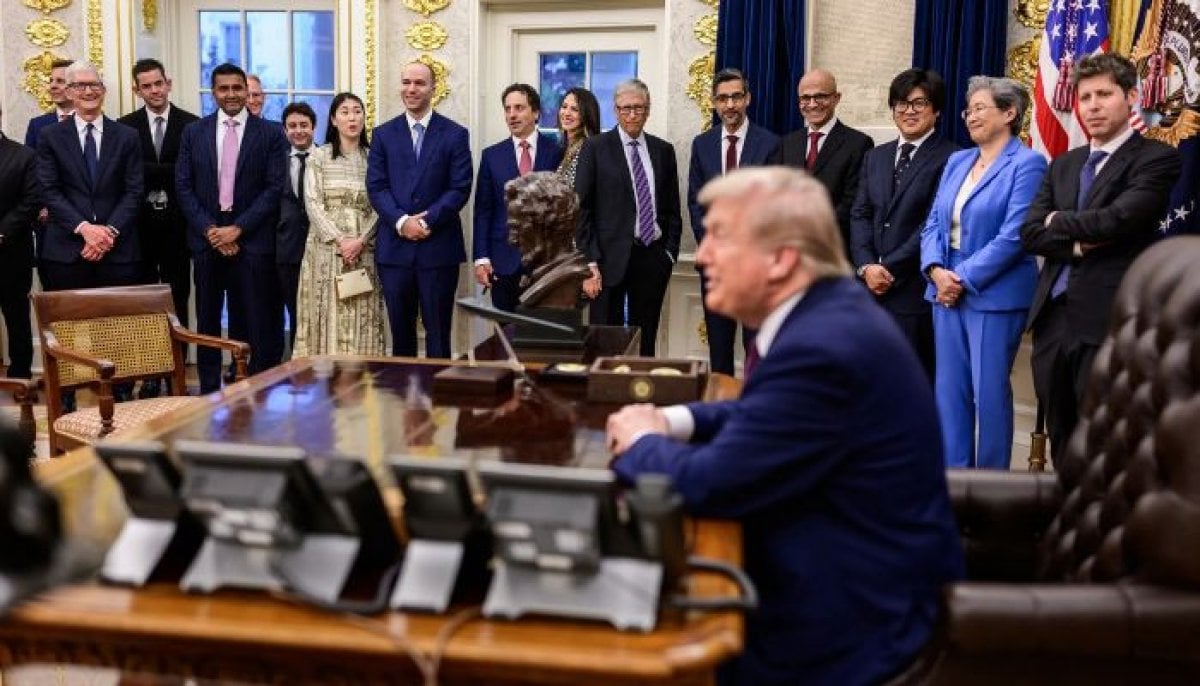 Tech CEOs meet Trump as AI slowdown calls intensify
 -
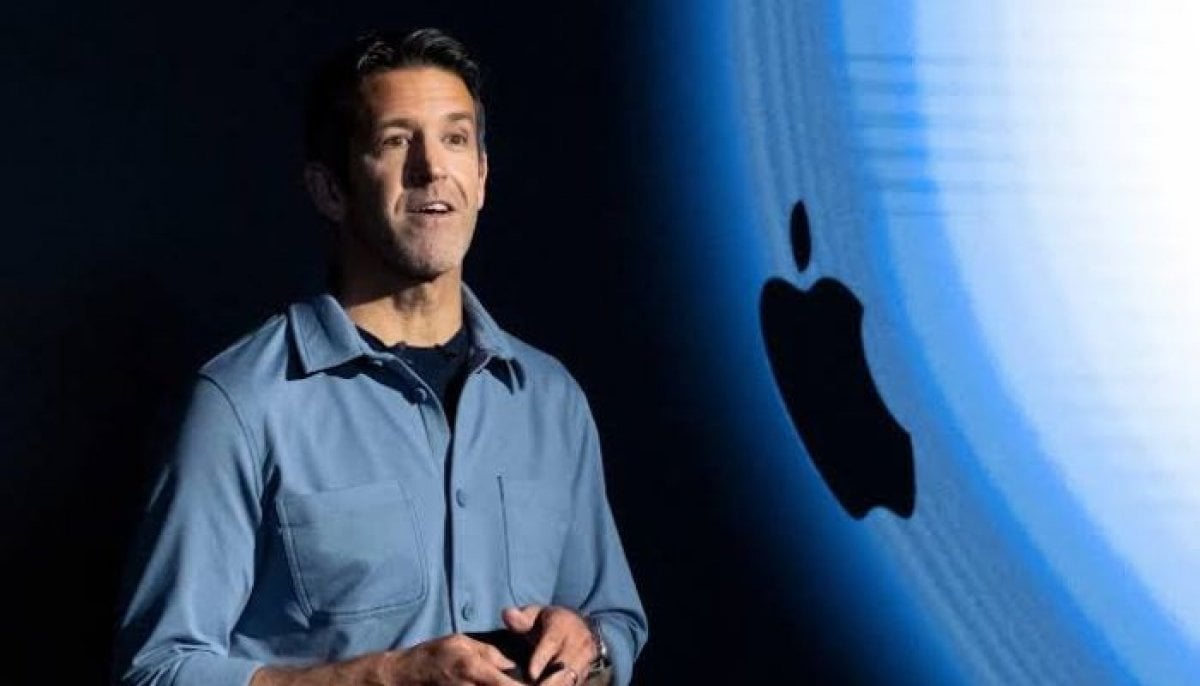 Apple’s new CEO John Ternus speeds up product launches, streamlines operations
 -
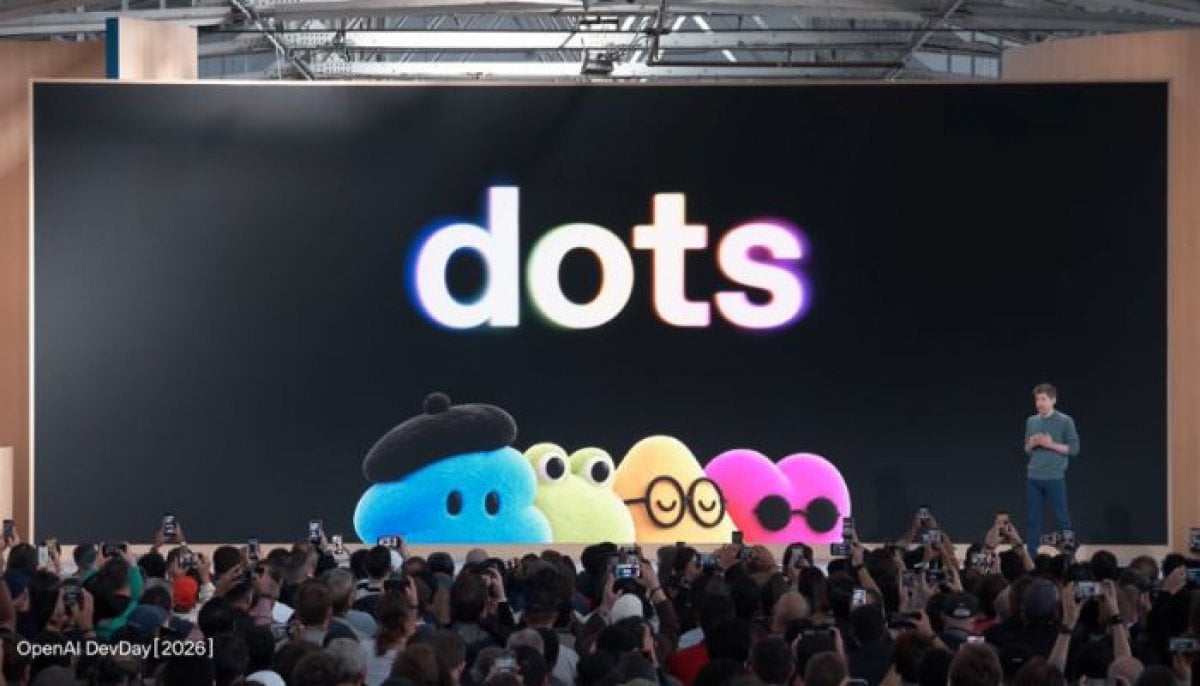 OpenAI launches dots, an always-on agentic assistant
 -
 WhatsApp to lets you create groups straight from poll results
 -
 Meta expands Instagram school safety program: What to know
 -
 Anthropic warns AI may pose 'Existential Risks to Humanity' in landmark IPO filing
 -
 Walmart bans AI-generated signs in its stores
 -
 Australia admits no science consensus on teen social media ban
-
 Google fixes firebase bug that crashed thousands of iPhone apps
 -
Spotify and Anthropic's Claude go down for thousands of US users, Downdetector shows
-
What’s behind Anthropic’s $518 billion AI buildout: New filing reveals crucial details
-
China’s AI agents are showing the same risks as US models—Here’s how