First ocean robot launched to monitor 'Category 5' hurricanes
UK-based Oshen makes history by building first ocean robot to collect data and monitor hurricane intensity
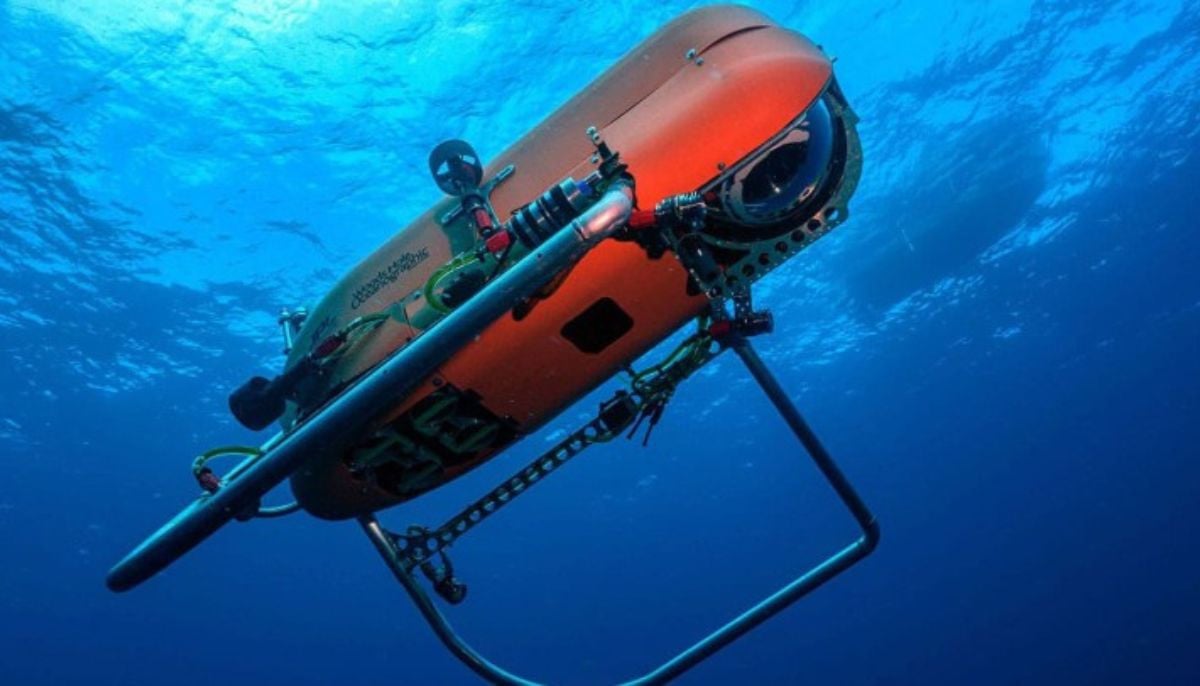
As the past year witnessed a series of hurricanes and tsunamis, marine researchers have developed a new technology to monitor and study the intensity of these devastating events.
UK-based oceangoing drone manufacturing company Oshen has made history by collecting live data from inside a 'Category 5 hurricane' at sea for the first time.
This feat has now managed to catapult the company’s profile and attract new potential governmental and defense industry customers.
The oceanic robot company was founded by Anahita Laverack, who initially attempted to build small autonomous sailing robots to cross the Atlantic.
Unfortunately, these sailing robots failed, but it helped Laverack realize that the real problem wasn’t engineering; it was a lack of real-world ocean data.
In the past few years, engineers had already made such robots to combat the Microtransat Challenge—a competition where participants build and send autonomous sail-powered micro-robots across the Atlantic Ocean—but unfortunately remained unsuccessful.
While doing technological experiments for the Microtransat Challenge, most other entrants failed because their robots were too small, not designed for brutal ocean conditions, or the technology wasn’t tough enough to survive.
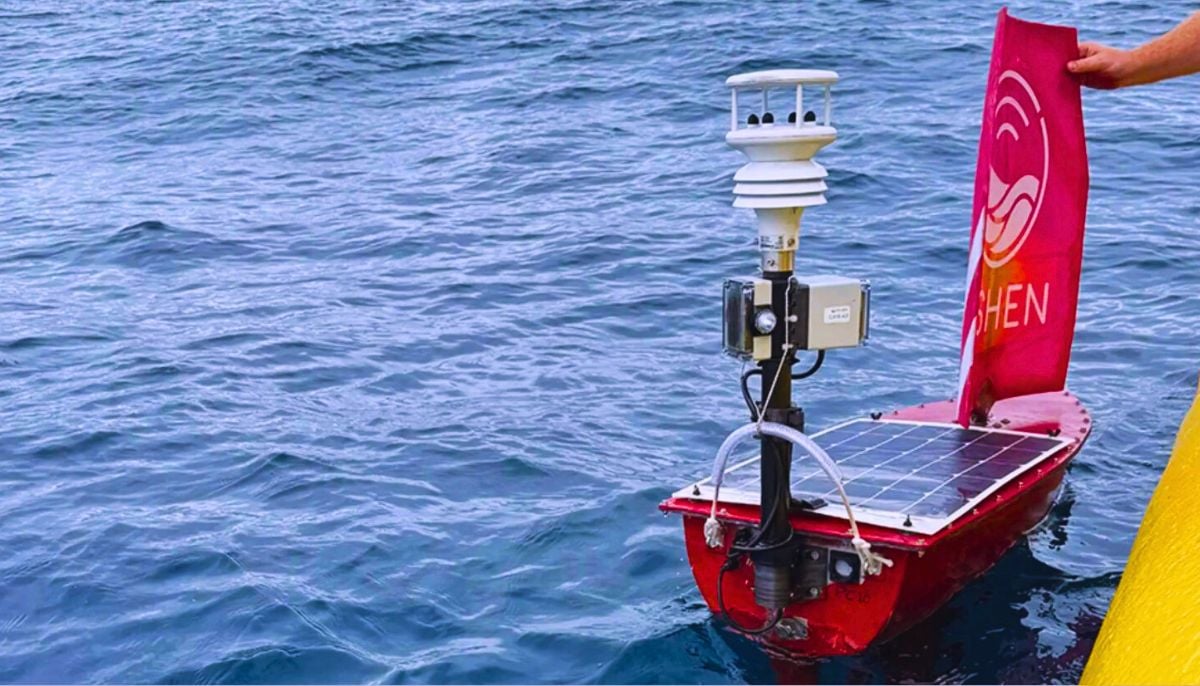
The company aimed to focus on building small, cheap, long-lasting oceangoing robots that can survive extreme weather conditions and collect ocean data.
The newly launched oceanic robot engineer, Laverack expressed, “I realized half the reason that all of these attempts were failing is, number one, obviously it’s hard to make micro-robots survive in the ocean, and number two, they don’t have enough data on the ocean to know what the weather is or even know what the ocean conditions are like.”
The company now builds fleets of autonomous micro-robots, called 'C-Stars,' that can survive in the ocean for 100 days straight and are deployed in swarms to collect 'ocean data.'
Getting the tech just right was difficult, Laverack said, as it’s not as simple as just taking an existing larger robot and shrinking it down.
The initial testing of these robots involved two years; Oshen would iterate on the bots on shore and immediately take them out on the water to evaluate their performance, the company informed.
As per the manufacturing company, these bots needed to be mass deployable and cheap despite also needing to be technologically advanced enough to operate and collect data for long periods of time on their own.
Laverack informed that many other companies have successfully gotten Oshens robots.
Meanwhile, the ocean robot company also caught the attention of the National Oceanic and Atmospheric Administration (NOAA).
The organization reached back out two months before the 2025 hurricane season after Oshen had successfully deployed the robots into winter storms in the U.K.
The 'C-Stars' bots were thrown overboard and made their way into position by the U.S. Virgin Islands, where NOAA predicted where Hurricane Humberto was headed.
While referring to the monitoring experiment, Laverack said they were expecting the bots to just collect data leading up to the storm, but instead, the bots were also able to weather the entire storm—minus a few missing parts—and collected data the whole time, becoming the first ocean robot to collect data through a 'Category 5' hurricane.
Additionally, the company has moved to a hub for marine tech companies and has started racking up contracts with customers, including the U.K. government, for both weather and defense operations
Furthermore, the company plans to raise venture capital soon to keep the supply chain demand intact.


-
 Moonshot AI restricts open-weight hacking ability in new Kimi model as fears grow over AI-powered cyberattacks
 -
 WhatsApp tests new filter to find mentions, replies faster
 -
 Apple's foldable iPhone hits stores
 -
 Apple reclaims title as world’s most valuable company overtaking Nvidia
 -
 French parents underestimate children’s AI use, survey finds
 -
 China clears DeepSeek and MiniMax for global AI deployment
 -
 Greece's social media ban for children under 15 will take effect on January 1, 2027
 -
 What Is PHP, why is everyone talking about it?