Nano Banana explained: How Google’s AI got its name
Google confirms that Nano Banana's name is mash up of personal nicknames
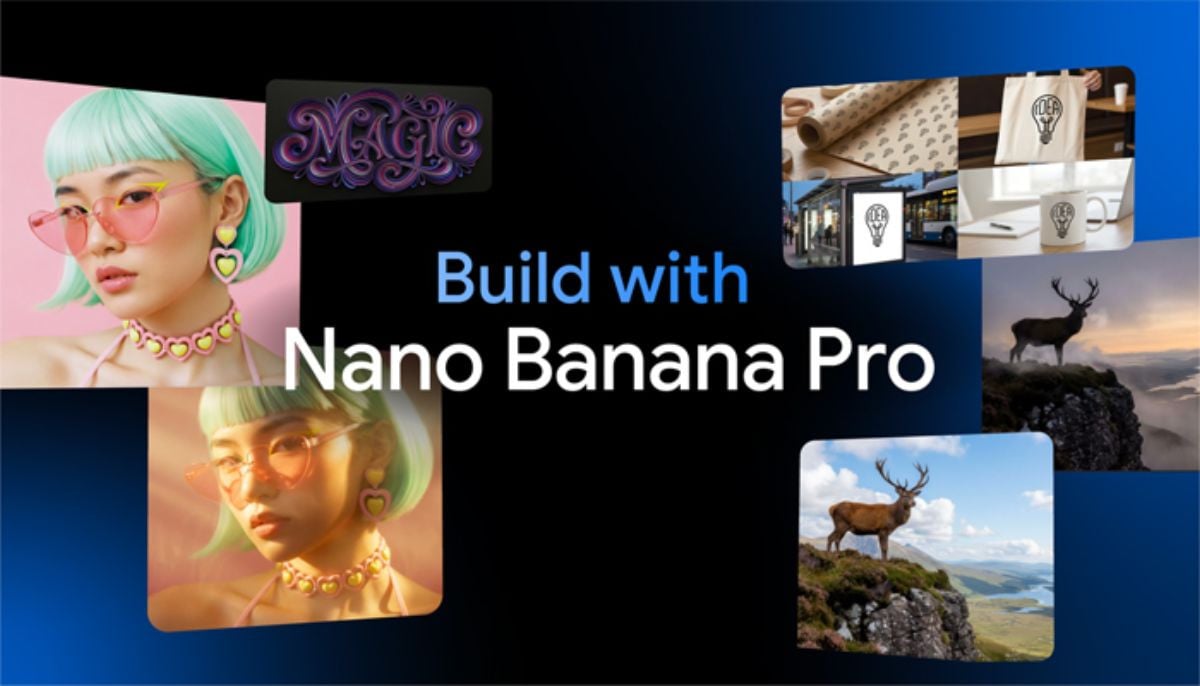
Google has revealed the unexpected story behind Nano Banana, the AI image generation model that has gone viral across social media. According to an official Google DeepMind blog, the name was created during a late night scramble in July last year, when the company was preparing to launch its Gemini image model on LMArena.
Its model, developed by Google DeepMind, was submitted under the technical name Gemini 2.5 Flash Image, but needed a public-facing codename at the very last minute.
It was around 2:30am when the decision was made, and it was time to ask Google DeepMind Product Manager Naina Raisinghani to suggest a name as soon as possible. She suggested something like "Nano Banana", playful and basically random, the name got approved instantly. Later on, this became one of the leading reasons for this model's internet popularity.
Why Google’s Nano Banana name stuck?
Google confirmed that the name is a mash up of personal nicknames. Raisinghani is called “Nano” by some friends due to her love of computers and her height, while others call her “Naina Banana”. Combined with the model being a Flash variant, the result was Nano Banana.
The Nano Banana AI image model quietly appeared on LMArena in early August. Users were impressed by its ability to edit and generate images, but it was the unusual name that caught wider attention. The contrast between advanced AI capabilities and a humorous codename helped the model spread quickly online.
Google said accessibility also played a key role in Nano Banana’s success. The model launched globally on day one, allowing users worldwide to test it. As the nickname gained traction, Google embraced it fully, adding banana emojis in the Gemini app, yellow run buttons in AI Studio, and even limited edition banana themed merchandise.


-
 Block’s Dessa AI voice model learned to talk without text: Here’s how
 -
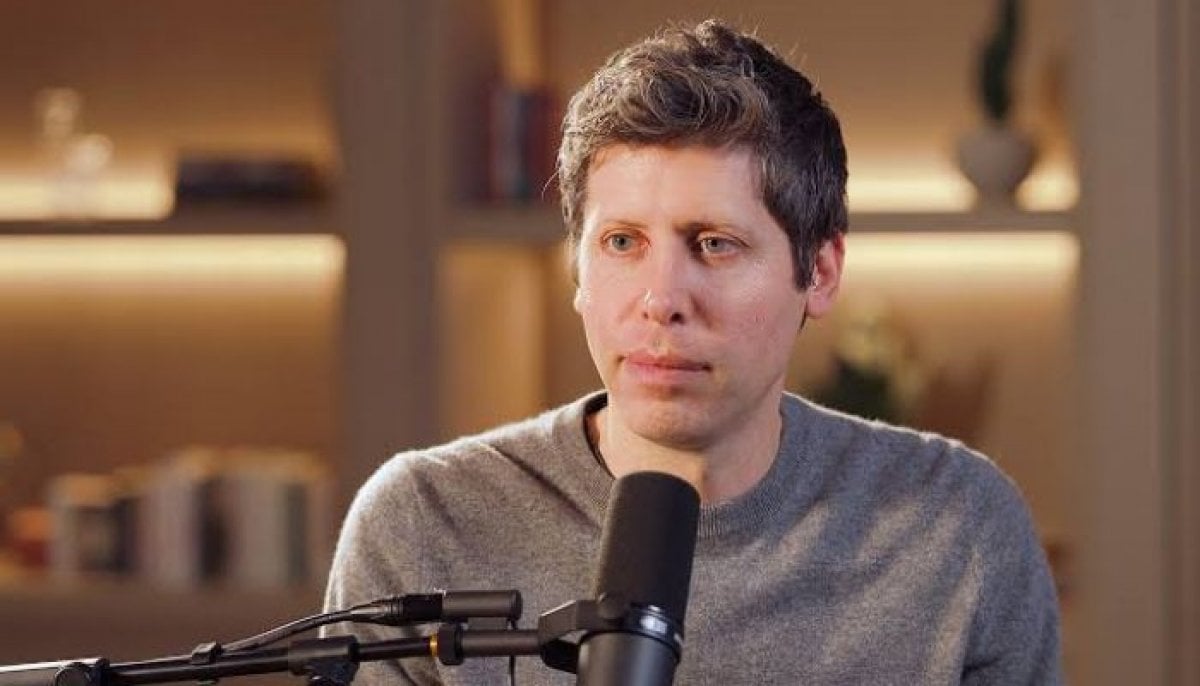 Sam Altman says AI is finding ‘Insane’ hardware-level bugs we never expected
 -
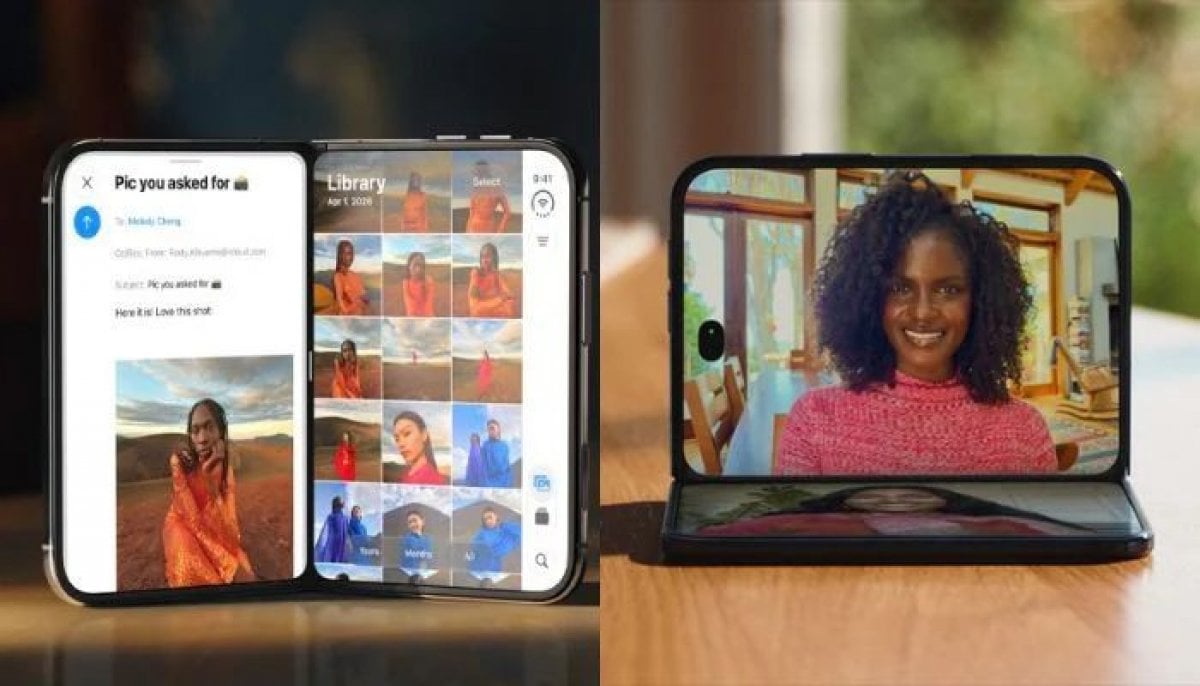 iPhone Duo screen cracks after just six hours, users report
 -
 AI decodes Napoleon's cipher after 217 years in 6 hours
 -
 3 settings to stop Google personalised ads from Gmail data
 -
 Jack Dorsey’s Block launches Dessa AI voice model, but users aren’t happy
 -
 Moonshot AI restricts open-weight hacking ability in new Kimi model as fears grow over AI-powered cyberattacks
 -
 WhatsApp tests new filter to find mentions, replies faster