Study finds screen time does not harm teenagers’ mental health
Research urges policymakers to look beyond usage limits and instead focus on quality of online experiences

Screen time spent on social media or gaming does not cause mental health problems in teenagers, according to a large UK study that challenges growing political calls for stricter online restrictions on young people.
A study conducted by University of Manchester researchers observed some 25,000 schoolchildren aged 11-14 years old, studying their activity on social media platforms, gaming, and self-perceived emotional wellbeing.
It was discovered that there was no association between frequent usage of social media such as TikTok, Instagram, or Snapchat, or gaming, and an increased incidence of anxiety or depression in later years.
This is especially pertinent given that the current UK government is weighing up whether to ban social media use for those under 16, following on from an Australian ban. Interestingly, it was determined that increased use of social media between school years has no effect on mental health problems for either gender. Both active and passive use were determined to have no effect on emotional difficulties.
Lead researcher Dr Qiqi Cheng indicated that the findings imply that the correlation between technology and happiness is more complicated than people have presumed to acknowledge. Although cyberbullying or excessive views of disturbing material can be encountered by young people on the internet, it is clear that mental health patterns cannot be attributed to overall screen use.
The research, published in the Journal of Public Health, concludes that policymakers should look beyond usage limits and instead focus on the quality of online experiences, social support and wider pressures affecting teenagers’ lives.


-
 French parents underestimate children’s AI use, survey finds
 -
 China clears DeepSeek and MiniMax for global AI deployment
 -
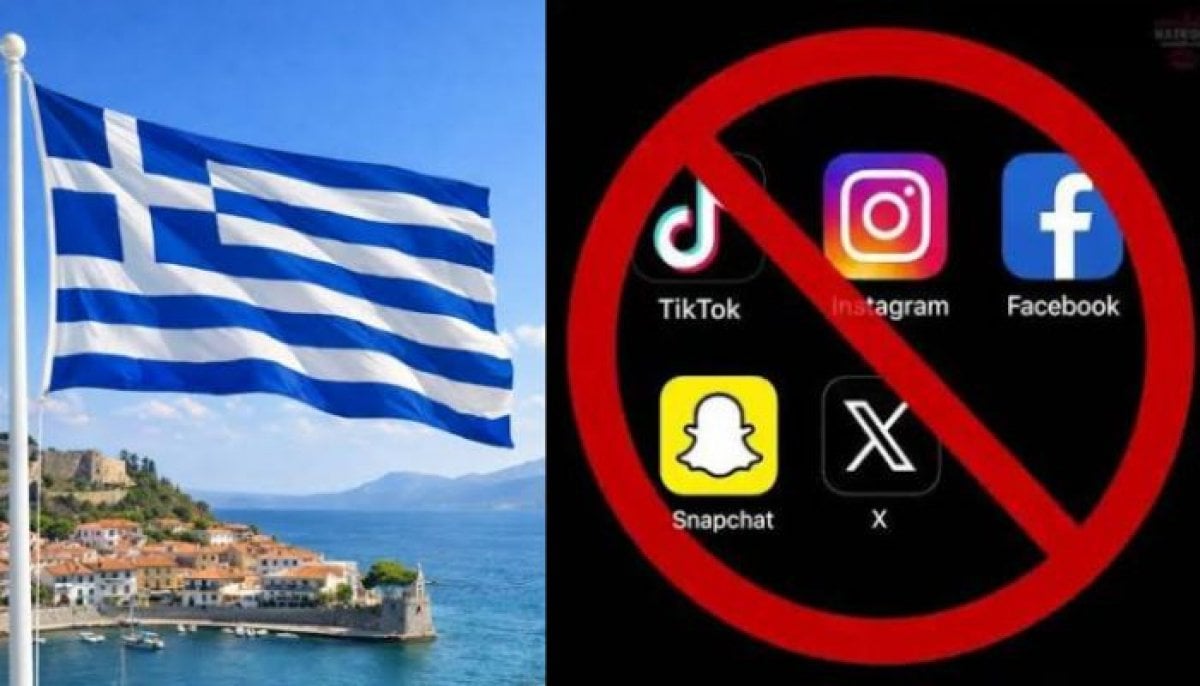 Greece's social media ban for children under 15 will take effect on January 1, 2027
 -
 What Is PHP, why is everyone talking about it?
 -
 OpenAI partners with Poland’s NASK to strengthen AI safety
 -
 YouTube custom feeds could finally fix your homepage
 -
 Japan plans cyberattack simulation as PHP vulnerabilities raise security concerns
 -
 WhatsApp reels shortcut adds 3 tabs: Recents, saved, liked