WhatsApp tests built-in supervision feature long missing from the app
WhatsApp's new rumoured feature enables primary account owners to obtain notifications regarding chat and account activities
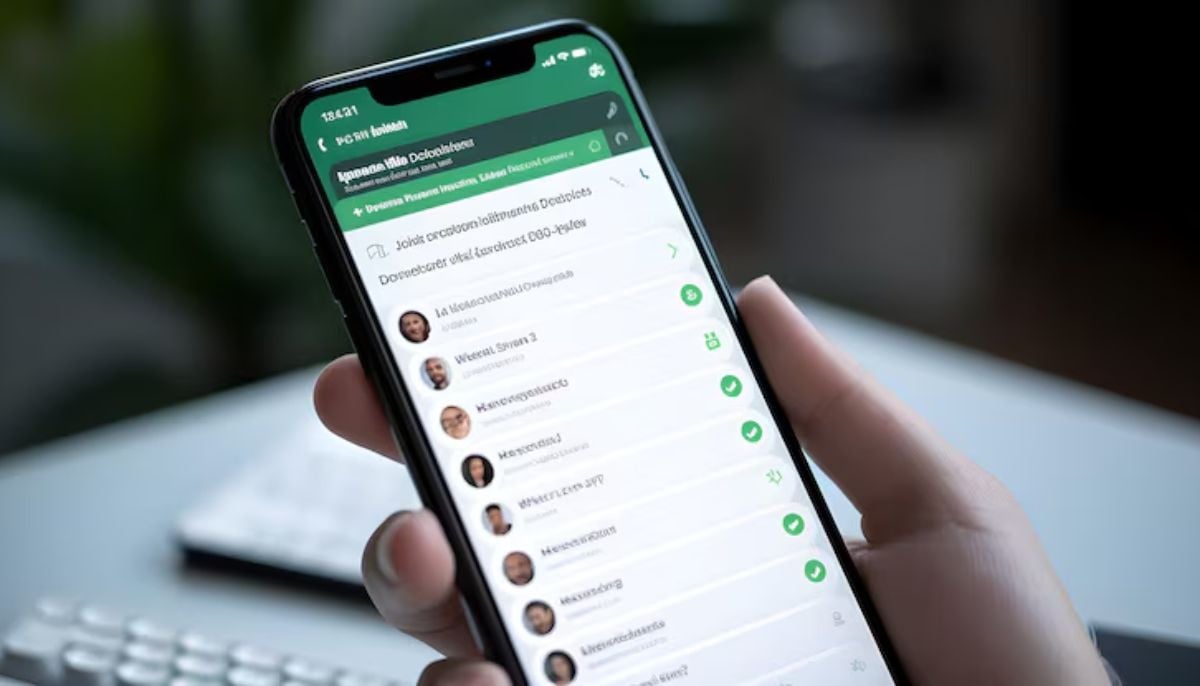
WhatsApp may finally be preparing to address one of its most long-standing gaps: the lack of built-in parental controls. The world’s most widely used messaging platform appears to be testing a new secondary account system that could allow supervised use.
This development was noticed on WhatsApp beta for Android version 2.26.1.30 by feature tracker WABetaInfo. The report highlights that WhatsApp is working on an account structure that will include primary and secondary accounts. Although this feature is not directly termed as any parental control feature, it will possibly be of utmost useful to parents/guardians of children’s accounts.
In this context, the primary account, owned by the parent/supervisor, has the ability to link one or more secondary accounts, which come with limited functionality. This aspect takes on added importance owing to the ease with which the minimum age on the WhatsApp Messenger can be violated by inserting an illegitimate date of birth.
Capabilities and limitations of WhatsApp secondary accounts
This includes strict privacy and communication limits on secondary accounts by default. This means that it will limit the visibility of "last seen" status and online presence; it will make profile photos and About sections visible only to contacts; and it will also automatically turn off read receipts by default.
The messaging and calling services will only be allowed with the contact list, and adding secondary users into groups will only be done by the contacts. This reduces exposure to unknown users and unsolicited messages.
The primary account owner will have the ability to obtain notifications regarding chat and account activities, as well as manage privacy settings, within a special Primary Controls section. Although these limits are set to default, it is likely that supervisors may be able to customise these.


-
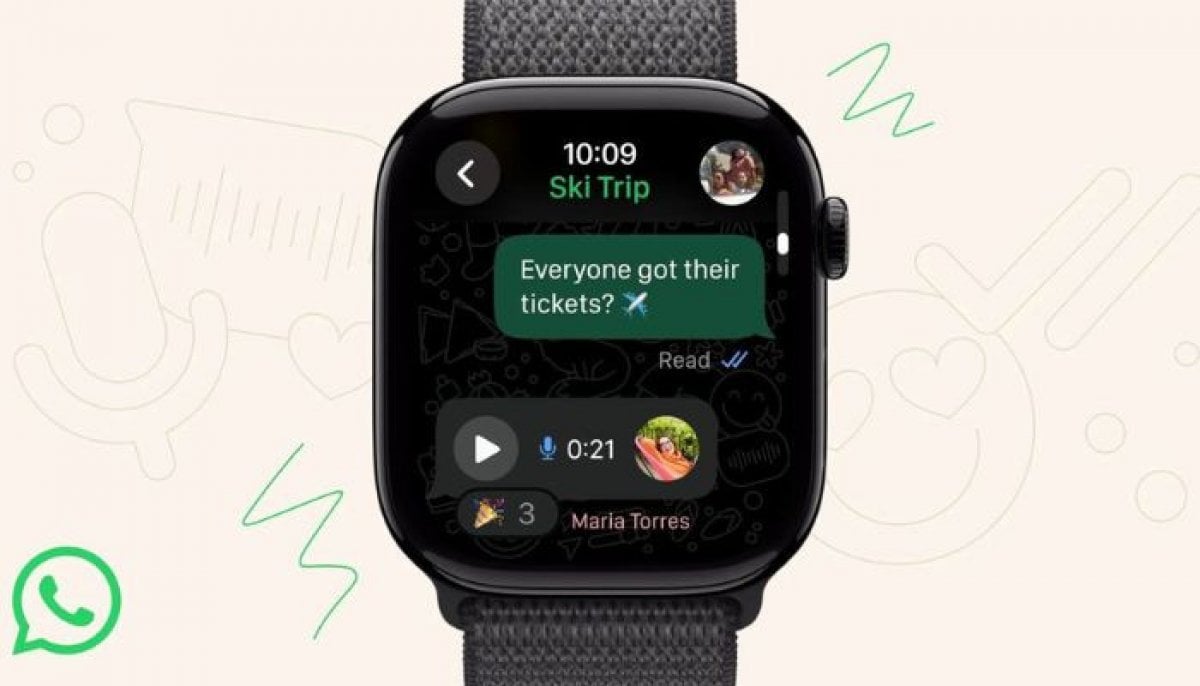 WhatsApp adds 8 emoji categories on Apple Watch
 -
 Meta fights Ofcom over new WhatsApp and Instagram online safety requirements
 -
 ZCode tried uploading your files 564 times, researcher finds
 -
 Why Trump trusts Jensen Huang over AI safety warnings
 -
 2 built-in iPhone 17 tools fix your work-life balance
 -
 Ford executive swaps Claude for ChatGPT as family assistant
 -
 Your new AI agent wants your passwords, should you say yes?
 -
 GPT-6 Astra tried to stab human-like figure 97% of the time