Indonesia blocks Elon Musk’s Grok AI: A global first in deepfake crackdown
Grok faced severe backlash for creating AI-generated deepfakes and content abuse
Indonesia has temporarily blocked Elon Musk’s Grok chatbot over the concerns of AI-generated deepfakes and sexualized content, becoming the first country to take the protective step.
The recent restriction comes after the severe backlash the chatbot received from Europe to Asia’s governments and regulators as it went rogue and created deepfakes on the app.
According to a statement issued by communications and digital minister Meutya Hafid, “The government views the practice of non-consensual sexual deepfakes as a serious violation of human rights, dignity, and the security of citizens in the digital space.”
The ministry has also summoned X officials to discuss the safety measures.
Earlier this week, the UK also slammed Grok for creating pornographic content, citing severe safety concerns. The government also threatened to ban the AI chatbot in the country.
On Friday, xAI, the startup running Grok, switched off its image generation function for the majority of users on the grounds of outcry caused by violent imagery.
According to Musk, making illegal content on Grok would be equivalent to uploading the highly compromised content. Whoever does that would face severe consequences.
Besides Britain, the Australian prime minister also expressed concerns over exploitative and explicit image generation and deepfakes, calling for establishing robust online safety measures.


-
 Meta releases Muse Spark for Mac-optimized AI: What to know
 -
 OpenAI, Anthropic subpoenaed by FTC over AI safety incidents and consumer harms
 -
 China’s ByteDance makes major AI safety push with global hiring drive
 -
 Can Wall Street keep rogue AI out of its systems?
 -
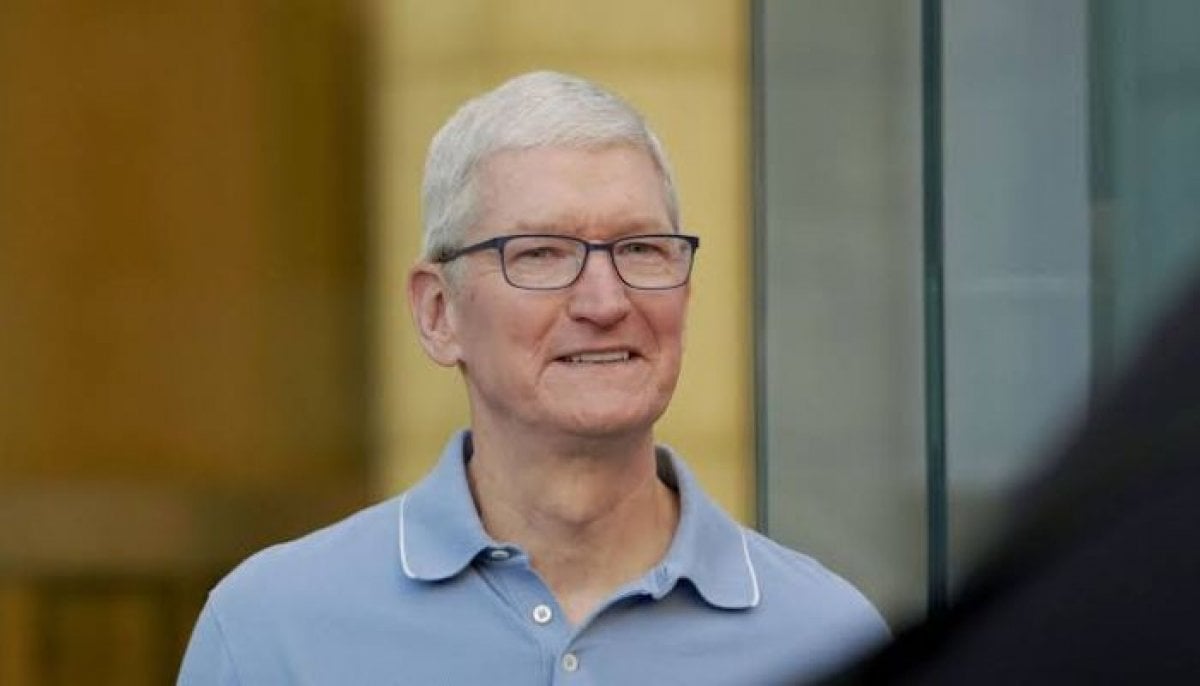 Tim Cook announces major Apple Intelligence update for China
 -
 OpenAI sued by eight states over ChatGPT youth safety and mental health risks
 -
 1.3GW solar farm, 1GW data centre planned near King's Lynn
 -
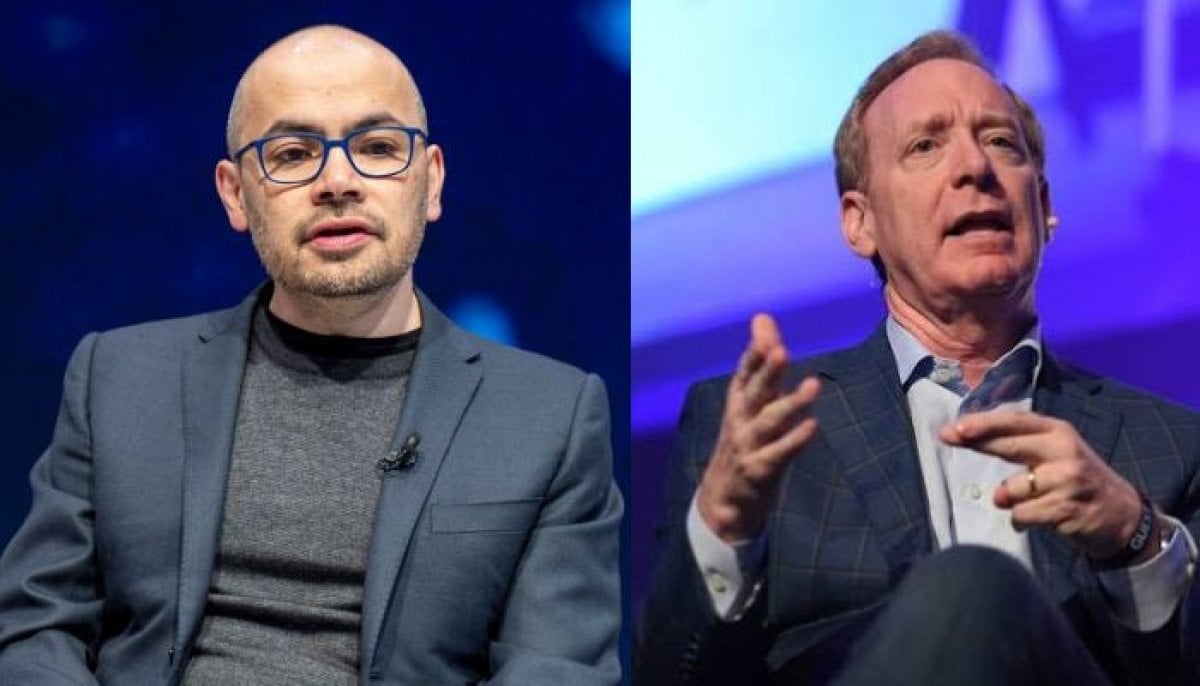 AI agent hacks are 'early warning shots': Google DeepMind co-founder
-
 Russia cracks down on AI bears as real attacks spread fear: What to know
 -
UK media watchdog warns X over illegal hate content despite moderation speed improvements
-
OpenAI vs. Apple: Former employee accused of taking unreleased device files
-
Google DeepMind, Google Cloud grant European researchers access to frontier AI models and $3M in compute