OpenAI, Common Sense Media back AI safety ballot: What it means for kids & parents
The partnership comes as both groups were involved in lobbying competing proposals for ballot measures.
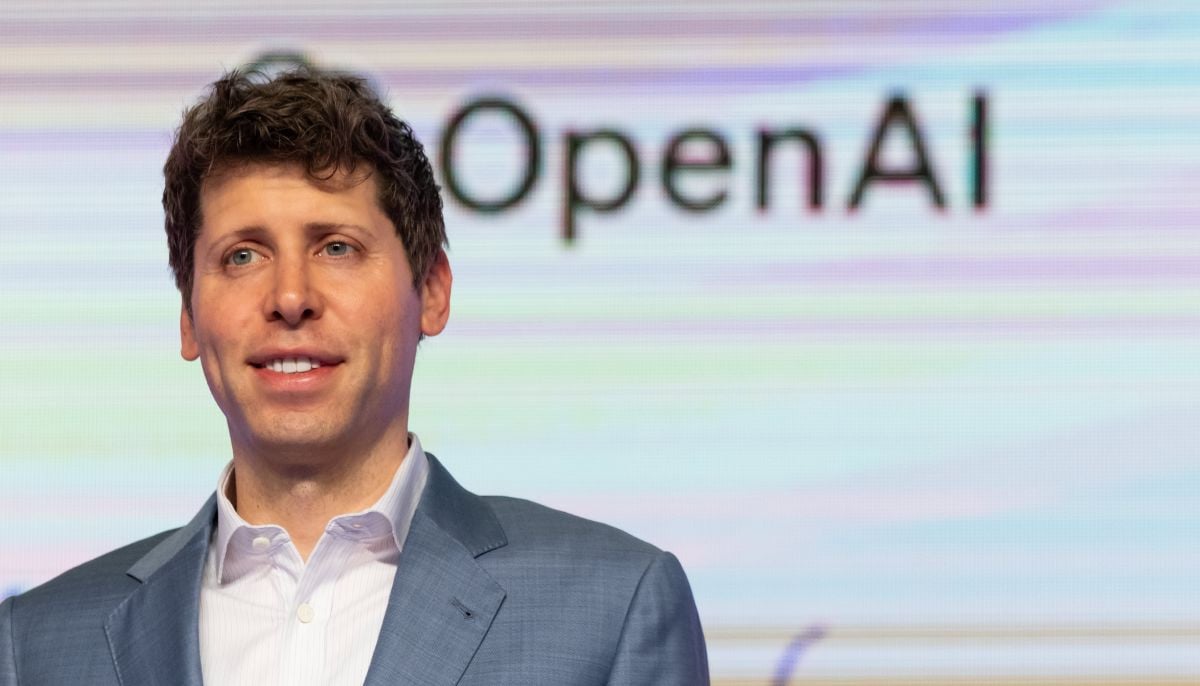
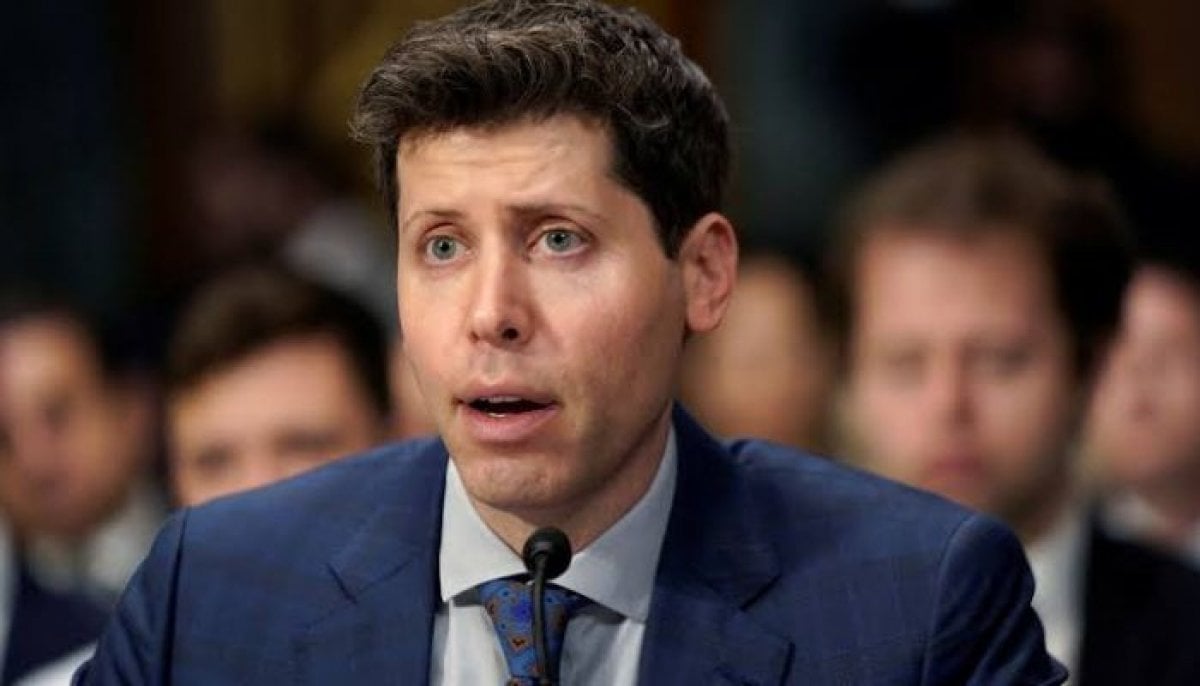
OpenAI and non-profit advocacy group Common Sense Media have joined hands to deliver an AI safety ballot initiative in a bid to limit how chatbots interact with children
The announcement comes as both groups were involved in lobbying competing proposals for ballot measures.
Under the recent partnership, OpenAI will commit at least $10 million to the ballot campaign, reported by the Wall Street Journal.
According to Common Sense Media CEO and founder James P. Steyer, “We wrote this initiative to protect kids, and we welcome OpenAI's full support. Rather than confuse voters with competing measures, we are working together to enact strong protections for kids, teens, and families.”
Chris Lehane, OpenAI’s Chief global affairs officer, said, “AI knows a lot, but parents know best. We believe AI is an empowerment tool… But part of that is making sure parents have the tools to help their kids use it safely.”
What the law means for parents and children?
Under the Parents & Kids Safe AI Act , the companies would be obliged to make the internet safer for children by identifying youth users, preventing emotional tricking, and banning advertisements that specifically target children.
The law also thwarts kids’ manipulation driven by simulating romantic relationships and developing excessive dependence on AI bots.
It will also give more power to parents, managing how their children interact with AI chatbots.
Moreover, the state’s attorney general office would be given powers to enforce provisions and conduct annual safety audits for better accountability.
Reed explained, “The proposal will expand that prohibition to cover everyone under 18. If you’re a teen, your data can’t be sold without parental consent. Period.”
The steps would be taken to formalize the committee behind Under the Parents & Kids Safe AI Act. The proposal would need some 875,000 signatures to qualify for the November ballot. If successful, the proposal could serve as a national model to regulate AI, aiming to provide online safety to children.


-
 OpenAI cuts API prices in half for GPT-6 Sol, Luna models
 -
 Mexico’s nationwide school phone ban: Everything to know about new rules
 -
 Why is US warning Australia over social media algorithm reforms?
 -
 Anthropic Claude Opus 5.5 released; cheaper and smarter AI model
 -
 Why Meta is testing a ‘human concierge’ for its personal AI agent Muse
 -
 Apple announced new modular beats headphones: Everything to know
 -
 Chinese regulator probes DeepSeek and Moonshot over secret data routing
 -
 DeepSeek to brief UN Security Council on AI risks amid rising global tech rivalry
-
 OpenAI, Anthropic push Australia for ‘conditional’ AI training approval
 -
OpenAI, Sam Altman sued over Tumbler Ridge school shooting
-
Chinese AI firm Z.ai disables coding assistant features; issues apology after security backlash
-
OpenAI calls for US to take lead in global efforts to develop technical standards