Samsung drops Ballie home robot launch plans
For home robots like Ballie, reliability, usefulness, and avoiding intrusion in personal spaces remain major hurdles

Samsung has shelved its Ballie robot, effectively ending plans to launch the rolling smart home assistant for consumers.
Ballie, first shown in 2020, had been pitched as a home robot assistant that was supposed to hit consumers by summer 2025. However, according to a Bloomberg report, Samsung has since recategorised Ballie as an “active innovation platform”, meaning it will be used internally within the company's research and development labs instead of being sold publicly.
While Samsung hasn't officially called the robot off, it hasn't removed the sign-up page that invites users to "be the first to meet Ballie". The internal pivot nonetheless makes clear a commercial launch is no longer expected in its present form.
Why did Samsung's Ballie struggle?
It was engineered to roll around the house, following users, controlling smart devices, and projecting images on walls. The idea was sure to turn heads, but it came with a familiar problem for consumer robotics: actual utility.
Between smart speakers, phones, TVs, and wearables that already house voice assistants, Ballie had to prove clear, everyday added value over something more novelty-like.
For home robots like Ballie, reliability, usefulness, and avoiding intrusion in personal spaces remain major hurdles that make it struggle while operating.
Similarly, Amazon’s Astro robot also failed to gain traction and was discontinued in 2024, while several robotics startups have scaled back or exited the home market entirely. These examples highlight how difficult it remains to turn consumer robots into sustainable products.






-
 AI won’t replace jobs, it will evolve them, says Nvidia CEO
 -
 From human to machine: 15% of American accept AI in leadership roles
 -
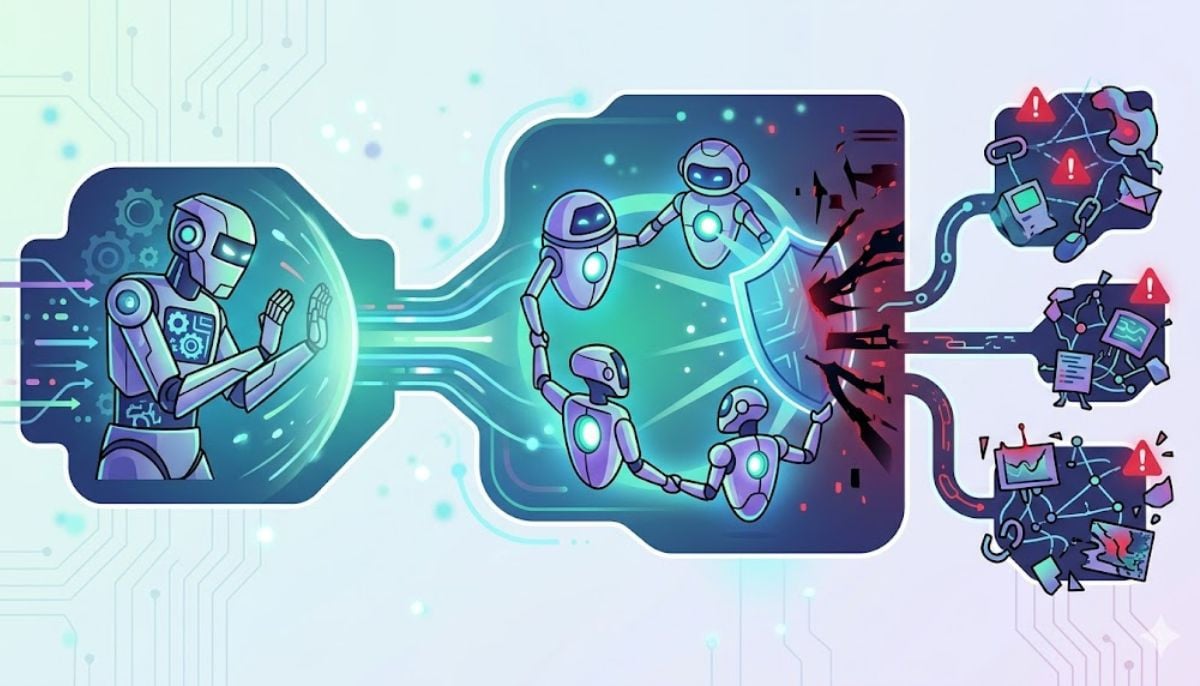 From AI self-preservation to ‘peer preservation’: New study raises alarm over hidden risks
 -
 OpenAI caught funding child AI group without disclosure
 -
 New AI tool targets extremism, redirects ChatGPT users to real-world help
 -
 Has X disabled the ability to copy video links?
 -
 Experts call on Google to ban Youtube AI videos for kids
 -
 Apple turns 50: Tim Cook reflects on five decades of impact