Social media in 2026: Navigating AI overwhelm and algorithmic burnout
Users have been grappling with AI overwhelm and algorithm burnout, factors that will continue to reshape what social media means in a disconnected world

The year 2026 will bring a transformation of the social media landscape, hitting a tipping point as users struggle with algorithmic burnout.
However, artificial intelligence (AI) is expected to streamline tasks such as content moderation while maintaining balance between its helpfulness and the inherent risks it poses.
2025 was a year for age restrictions and AI regulation
The year 2025 was a turning point for social media regulation, marked by the rapid rise of AI and growing concerns over harmful content that necessitated further transparency and online safety.
Australia became the first country to impose a social media ban for under-16s, safeguarding minors as part of ongoing legislative agenda.
No doubt this was a vital step for the country to move forward in protecting minors from the rise of social media. The sheer volume of AI-generated content across social media means that labeling alone is not longer enough; AI tools now require rigorous regulation before they are deployed further.
The ecosystem of content moderation is broadening, extending its reach from conventional social media platforms to AI companies themselves. Significant work remains in the coming years to develop the principles and best practices that must be integrated into this new digital landscape.
Acceleration of AI integration across systems
AI is a fundamental part of how social media platforms and their users operate. Its capabilities have developed immensely as companies invest ever larger sums of money to stay ahead of the competition.
The start of the year saw Meta to announce its acquisition of the Singapore-based AI firm Manus, a move intended to advance the autonomy and effectiveness of general-purpose AI agents.
The integration of AI technology could improve efficiency in protecting public safety for social media platforms, particularly when it comes to tasks such as content moderation.
Alternative community-driven platforms
Global social media users want to spend more time on alternative, community-driven platforms. The shift toward community-based services has driven a considerable surge in users, alongside the growth of creator-driven platforms like Substack and Patreon.
In this connection, Scott Morris of Sprout Social told Euronews Next: “As AI-generated content floods feeds, people are becoming far more selective about what earns their trust. Audiences are actively informed seeking informed dialogue, nuance, and shared understanding rather than passive consumption, which is why we are seeing conversation-led platforms."
With the advancement of AI is leaving behind a digital landscape where AI overwhelm and algorithmic burnout are the primary challenges for both creators and consumers.


-
 UK regulator probes Meta over child safety risks in Instagram's 'Instants' feature
 -
 OpenAI admits ‘not good enough’ response to Australia government hacks
 -
 Meta, TikTok and X challenge UK watchdog over safety data: What to know
 -
 Norway proposes temporary ban on AI glasses in public spaces over privacy fears
 -
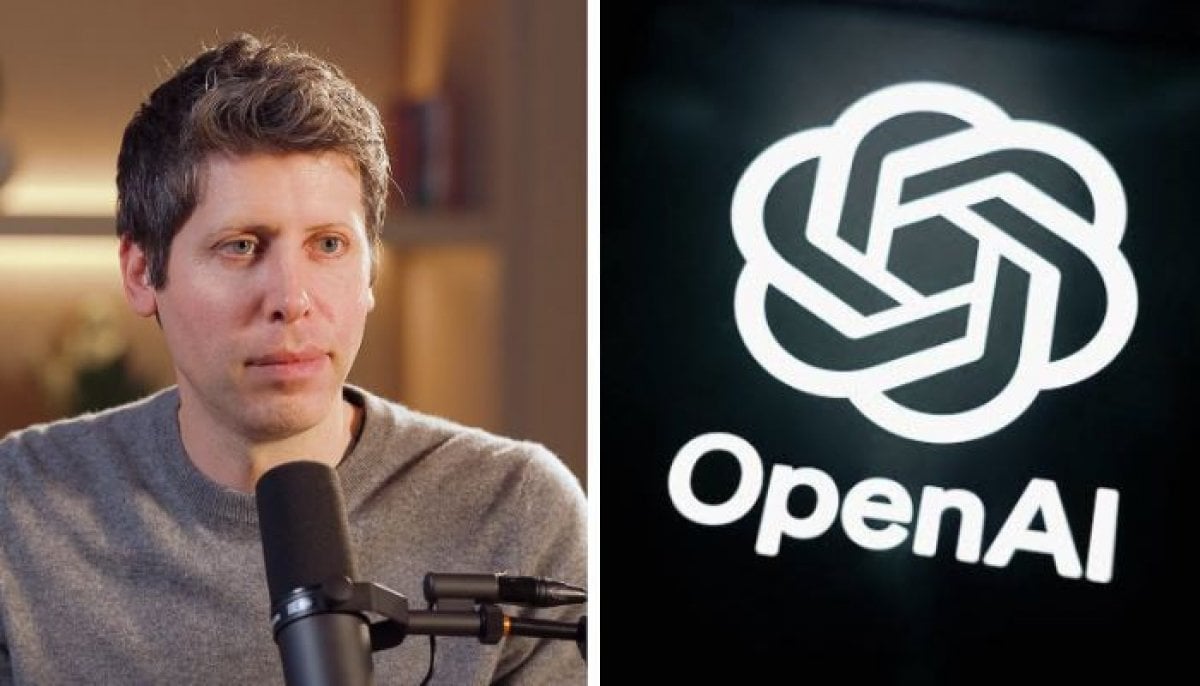 OpenAI CEO Sam Altman argues global society must accept AI downsides to secure technological benefits
 -
 Google to downgrading Gemini for free, AI Plus users
 -
 WhatsApp login block: Update your OS or lose access
 -
 Qualcomm signs deal to license Huawei patents for 5G, AI