Surprising fact discovered for women who wear make-up
Researchers found a link between a woman doing her make-up and her psychological well-being

Living your fashion fairytale could actually have a positive impact on depression, especially in older women. So, put a lipstick on or curl those lashes with some mascara!
A study has found that women who regularly apply make-up seem to have better psychological wellbeing than those who go without it.
And they also have better grip strength and can stand on one leg for longer – indicating a higher level of physical fitness.
Scientists believe this is probably because wearing cosmetics boosts their confidence and means they are more socially and physically active.
Improved balance is vital in old age, as it can reduce the risk of falls that usually cause hip fractures.
With this in mind, researchers from Kyoto Tachibana University in Japan wanted to find out what effect make-up had on the physical and mental health of those over 65.
They studied 295 women to see what differences there were between those who regularly wore it and those who hardly ever did.
Each of the participants was asked what type of cosmetics they wore and how often, before completing a mental health questionnaire.
Separate tests were carried out on:
- Grip strength
- A measure of frailty
- Balance (by measuring their ability to stand on one leg for more than a few seconds)
The results, published in the journal Healthcare, showed 72 per cent of the women regularly wore make-up, mostly foundation, lipstick, eye shadow and blush.
These women scored better on mood, strength and balance than those who rarely or never applied make-up.
The researchers said: “Putting on make-up is a meaningful activity that may promote social participation among older women. It stimulates the senses of touch, smell and sight, leading to psychological pleasure.”
“Lipstick and eyebrow products were associated with superior psychological function and dynamic balance. It may even contribute to greater physical independence in older women,” they concluded.



-
 CDC monitors travelers from Siberia after plague worker’s death, director says
 -
 Russia pushes back on plague death reports, defends WHO notification
 -
 WHO deems Russia plague risk 'low' following lab technician’s fatal illness
 -
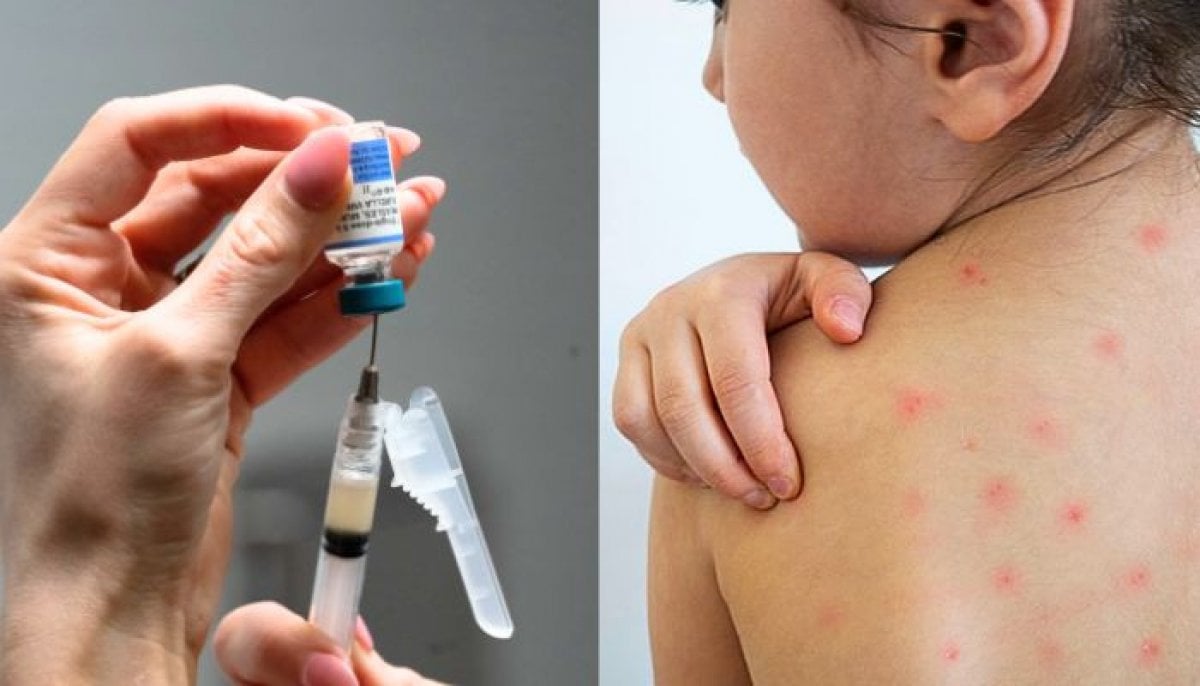 New York declares Measles state of emergency amid nationwide disease resurgence
 -
 First-of-its-kind treatment shrinks unborn baby’s tumour before birth
 -
 France steps up Ebola support in Congo as fears of resurgence grow
 -
 Vance’s fraud crackdown may raise health insurance costs for Americans
 -
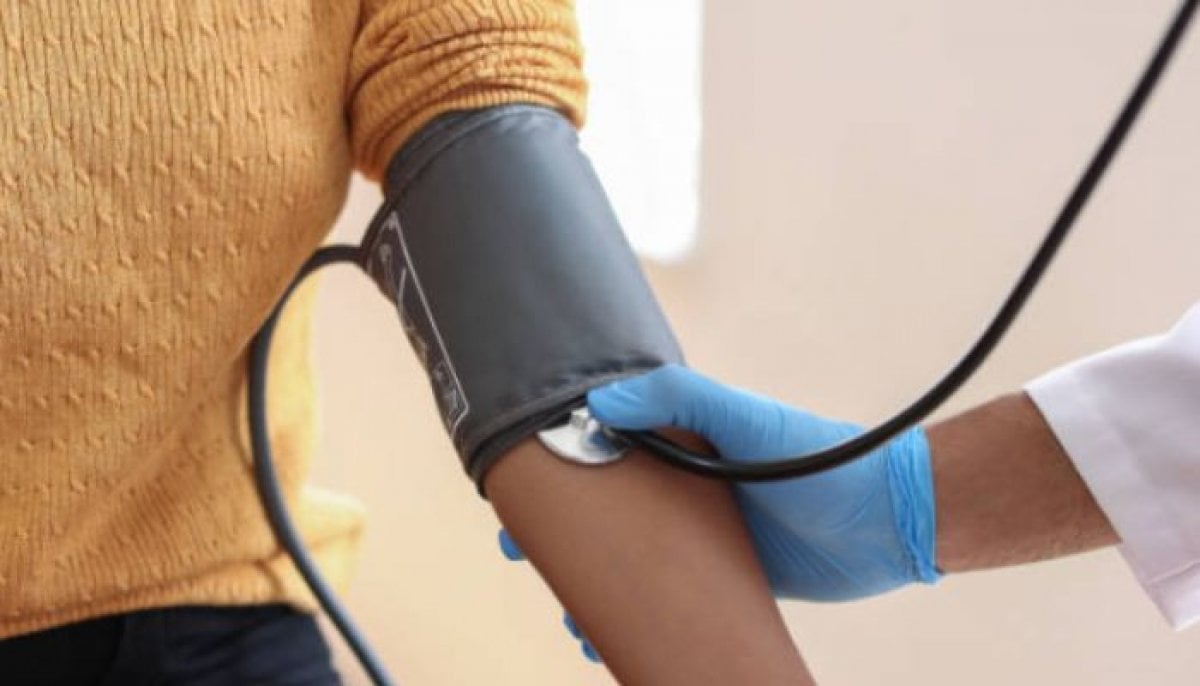 One common mistake elevates blood pressure readings by 7 points, study warns
-
 Moderna loses US government license defense in patent case
 -
Novo says new Ozempic shows lower cardiovascular risk compared with Lilly’s Mounjaro
-
University of Nottingham researchers say new gel could regrow tooth enamel in weeks
-
New Chinese drug extends stroke treatment window from hours to 2 days: study finds