Global coal demand peaks in 2025, set for long-term decline: IEA
The global coal demand is on course to rise by 0.5% in 2025, reaching a record 8.85 billion tonnes
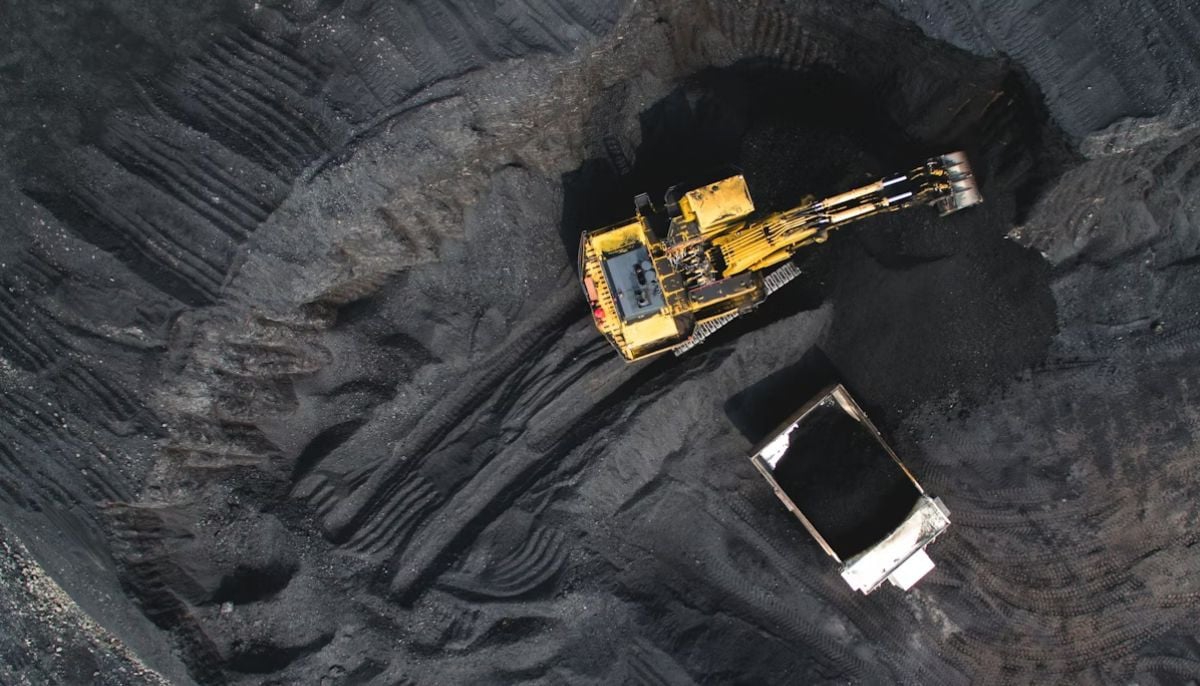
Global coal demand has soared to record in 2025, but the demand is expected to drop by 2030 due to growing dominance of renewables in the coming years, according to the International Energy Agency (IEA).
The report comes when the world is striving hard to achieve global climate targets, including the Paris Agreement. Despite the global efforts, coal is considered as the biggest source to generate electricity.
The global coal demand is on course to rise by 0.5% in 2025, reaching a record 8.85 billion tonnes, as per report.
According to Keisuke Sadamori, IEA director of Energy Markets and Security, "Looking ahead, we observe that the global coal demand plateaus and will start a very slow and gradual decline through the end of the decade.”
Compared to last year’s report, the recent report shed light on the slightly different outlook. In the United States, the coal consumption rose with policy support and high gas prices.
In 2025, Donald Trump signed an executive order to protect coal plants, aiming to boost coal production.
Moreover, the coal demand also witnessed a massive decline in China, the world’s largest coal consumer. As per report, the demand is expected to drop by 2030 as renewables have been gaining grounds in energy transition.
“China... which consumes 30% more coal than the rest of the world put together, is the main driver of global coal trends,” Sadamori said.
However, the growing electricity demand and slow integration of renewables could cause a departure from the forecast, thereby pushing the world away from achieving the climate targets.
“There are many uncertainties affecting the outlook for coal, most notably in China, where developments – from economic growth and policy choices to energy market dynamics and weather – will continue to have an outsize influence on the global picture,” the report says.
India’s coal use also fell for only the third time in five decades due to intense monsoon, which increased hydropower capacity.


-
 Carney rejects Trump administration’s accusation of Canada interfering in US midterm elections
 -
 Ukraine, Russia and US set to hold key talks in Abu Dhabi in early November
 -
 Australia lawmaker Hannah Beazley’s staff threatened days after Helen Haines attack
 -
 New York AG Letitia James challenges attempt to disqualify her from Cornell investigation
 -
 Trump administration targets Alaska Senate race over fears of ballot confusion
 -
 Gunman near Paris kills one, injures several as mayor suspects ‘racist, Islamophobic’ intent
 -
 Trump faces Republican backlash over Ramaswamy ad ahead of Florida rally
 -
 DOJ opens criminal investigation into Trump Ally Corey Lewandowski over DHS tenure
-
 UK, France hold first-ever joint nuclear exercise amid Russia tensions
 -
Trump says Starlink restrictions lifted, Ukraine disputes claim
-
First Russian diesel shipment en route to New York after Trump-Putin energy deal: Report
-
Trump accuses Ilhan Omar of identity fraud: ‘Congresswoman openly admitted to FRAUD’