US temporarily halts $40 billion technology deal with Britain
The United States has paused a $40 billion technology agreement with Britain
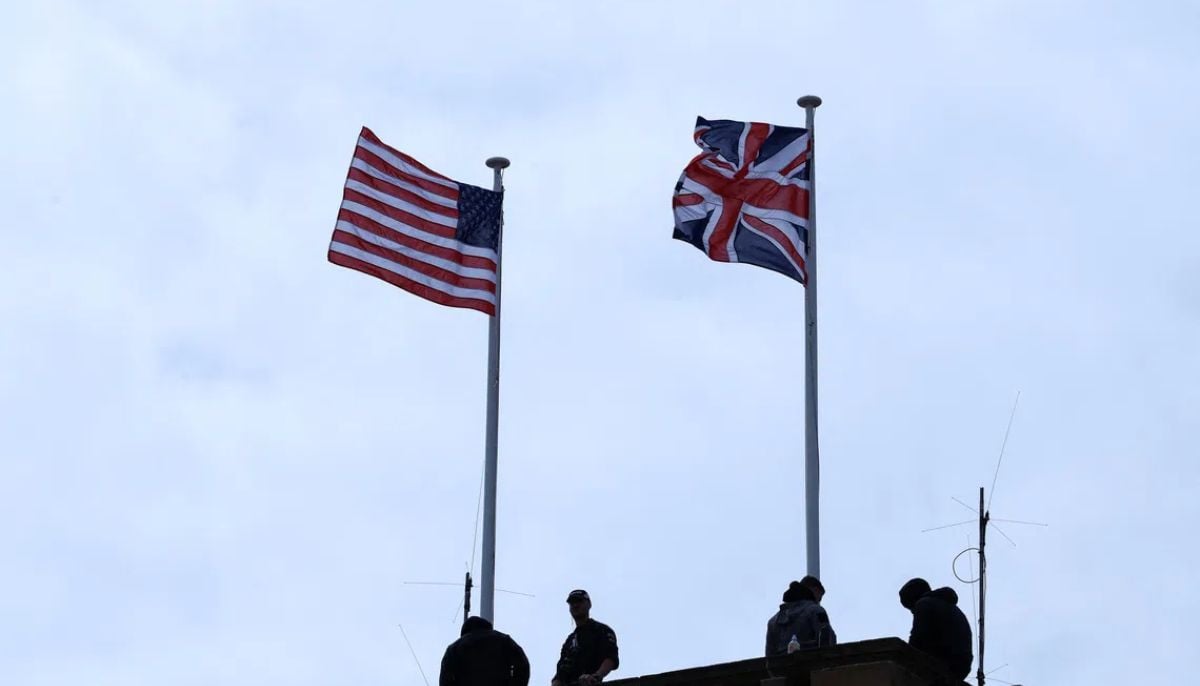
The United States has reportedly ceased a $40 billion technology agreement with Britain, underlining pressing concerns in Washington over London’s approach to digital regulation and food standards.
According to Reuters, the Tech Prosperity Deal was finalized to include artificial intelligence, quantum computing, and civil nuclear energy during President Donald Trump’s state visit to Britain in September.
Britain was the first country to agree to lower some U.S. tariffs in May, but execution has been slow.
On Tuesday, British officials confirmed that the U.S. has paused implementation of the tech deal.
The report found that U.S. officials were disappointed by Britain’s online safety rules, digital services tax, and food safety restrictions.
A spokesperson for the UK government said, “Our special relationship with the U.S. remains strong and the UK is firmly committed to ensuring the Tech Prosperity Deal delivers opportunity for hardworking people in both countries.”
In this connection British Business and Trade Secretary Peter Kyle visited the United States for major discussions with trade officials and tech firms.
His office said in a readout after meeting U.S. Commerce Secretary Howrd Lutnick said that Kyle was committed to retaining momentum and implementing all aspects of the UK-U. S Tech Prosperity Deal.
Additionally, it is expected that both sides will undergo future negotiations in January.


-
 Does China agrees with US AI safety fears?
 -
 WhatsApp adds 8 emoji categories on Apple Watch
 -
 Meta fights Ofcom over new WhatsApp and Instagram online safety requirements
 -
 ZCode tried uploading your files 564 times, researcher finds
 -
 Why Trump trusts Jensen Huang over AI safety warnings
 -
 2 built-in iPhone 17 tools fix your work-life balance
 -
 Ford executive swaps Claude for ChatGPT as family assistant
 -
 Your new AI agent wants your passwords, should you say yes?