OpenAI-backed Chai Discovery secures $130M for AI drug design
Investors including OpenAI, Thrive Capital, and Menlo Ventures have taken part in the funding round
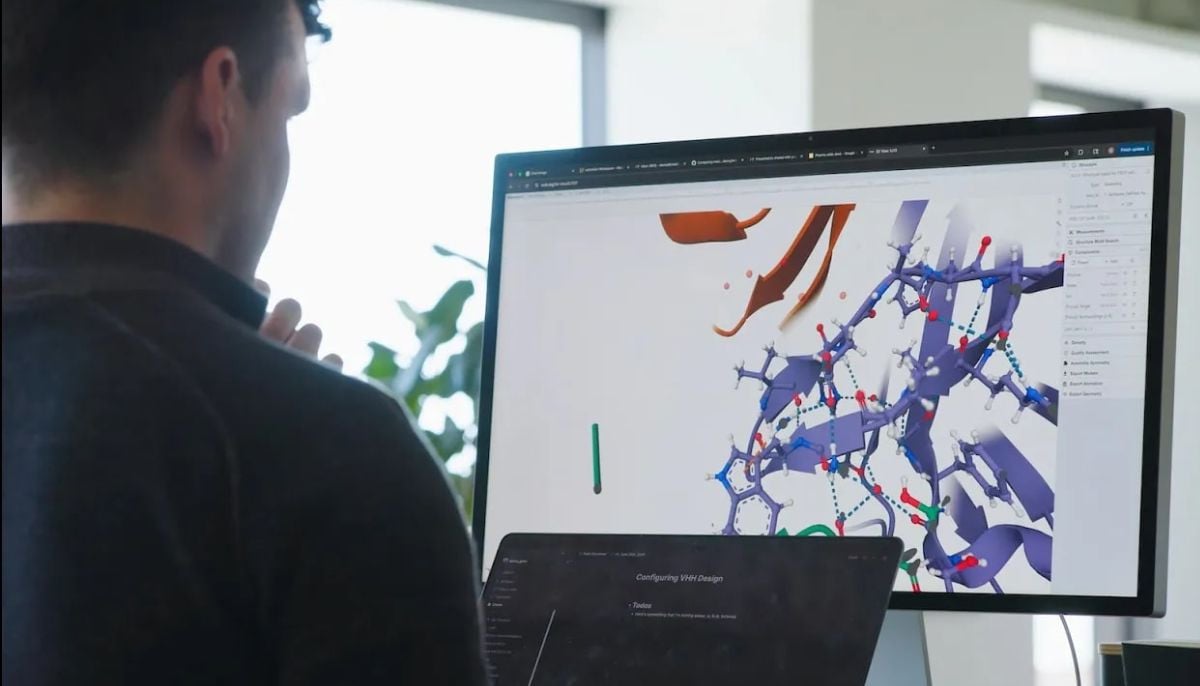
Chai Discovery, an artificial intelligence drug-discovery company backed by Sam Altman’s OpenAI, has secured $130 million funding in a bid to revolutionize AI drug design.
According to Bloomberg, the purpose of funding is to build a “computer-aided design suite” for AI-designated drug molecules.
The drug company has achieved a $1.3 billion valuation after closing a Series B round co-led by Oak HC/FT and General Catalyst. This recent financing brings its total funding to $225 million and it comes just three months after the start-up's last funding round.
The co-founder and CEO Josh Meier said, “Looking back over the last five to 10 years, there’s been so much hype on AI for drug discovery. This is the year things started working.”
The company is set to release Chai-2, an advanced antibody generation model that can design drug molecules seamlessly for challenging diseases.
According to President Jack Dent, the year 2026 is going to be the year of AI deployment in pharmaceuticals.
Oak HC/FT managing partner and co-founder Annie Lamont said in a statement, “Nowhere is AI transformation more needed than in drug development. It can take over a decade and cost upwards of a billion dollars to bring a medicine from bench to bedside. The Chai Discovery team is rewriting that story.”
Investors including OpenAI, Thrive Capital, and Menlo Ventures have taken part in the funding round.


-
 Apple's foldable iPhone hits stores
 -
 Apple reclaims title as world’s most valuable company overtaking Nvidia
 -
 French parents underestimate children’s AI use, survey finds
 -
 China clears DeepSeek and MiniMax for global AI deployment
 -
 Greece's social media ban for children under 15 will take effect on January 1, 2027
 -
 What Is PHP, why is everyone talking about it?
 -
 OpenAI partners with Poland’s NASK to strengthen AI safety
 -
 YouTube custom feeds could finally fix your homepage