Australia's leader defends social media ban,says 'it will change lives for future generations'
'We know that social harm is being caused. This is Australia responding to what is a global issue, pleas of parents and to the campaign of young people saying, 'Just let us be kids', says Albanese
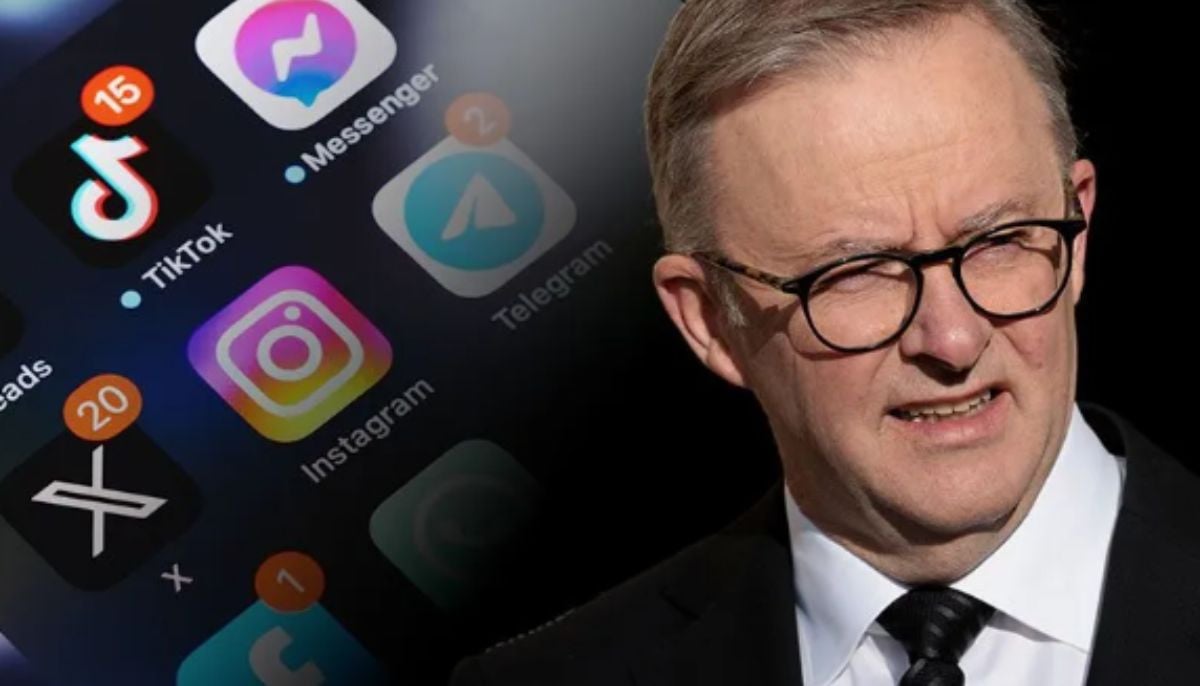
Australian leaders defend the world's first social media ban after teenagers mourn over the loss of the platform.
Prime Minister Anthony Albanese acknowledged some young people were still on social media a day after the social media ban imposed for teenagers took effect on December 10, 2025, with bipartisan support from the major political parties and backing by some three-quarters of Australian parents.
Soon after the law took effect, Australian social media feeds were flooded with comments from people claiming to be under 16, including one on the prime minister's TikTok account saying, "I'm still here; wait until I can vote".
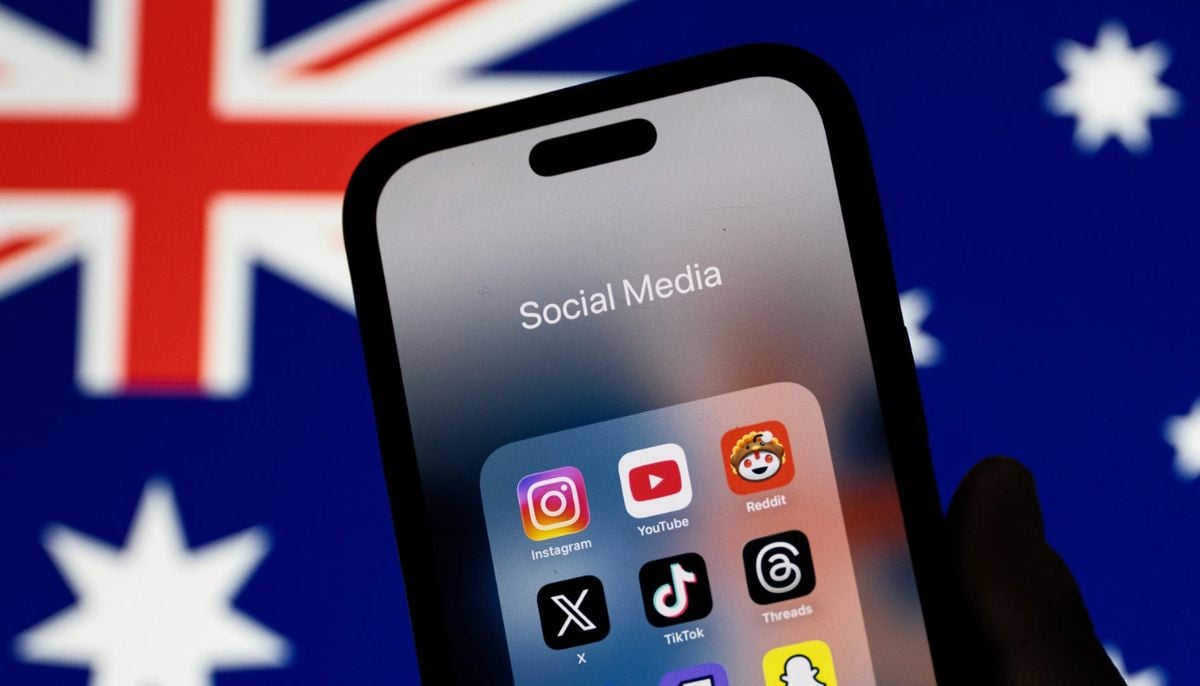
Under the law, 10 of the biggest platforms, including TikTok, Meta's Instagram, and Alphabet's YouTube, must bar underage users or face a fine of up to A$49.5 million ($33 million).
_updates.jpg)
The government has said previously that it would take some time for the platforms to set up processes to do this.
Prime Minister Albanese expressed during a broadcast at FOX radio station “Of course it isn’t smooth.”
“You can’t switch off over a million accounts across the board in one day. But it is happening.”
On another radio broadcast at Nova, Sydney, Albanese added, “If it was easy, someone else would have done it.”
Moreover, governments around the world are keenly observing the ban's impact. They said they would monitor the Australian rollout as they weigh whether to do something similar.
U.S. Republican Sen. Josh Hawley endorsed the ban as it took effect, Nine newspapers reported, while France, Denmark, Malaysia and others have already said they plan to emulate the Australian model.
The Australian internet regulator, the eSafety Commissioner, would ask all affected platforms to report numbers of under-16 accounts on the days before and after the ban went live on Wednesday, Communications Minister Anika Wells said.
The ban generated impassioned reactions across the spectrum of global commentators—including from U.S. psychologist Jonathan Haidt, whose book “The Anxious Generation” featured prominently in the Australian debate.
“Bravo Australia,” he wrote on X.
The United Nations children’s agency UNICEF warned in a statement the ban might encourage children to visit less-regulated parts of the internet and could not work alone.
“Laws introducing age restrictions are not an alternative to companies improving platform design and content moderation,” said UNICEF.
The Australian government has pitched the ban as an intervention to protect young people from mental health risks associated with social media, including bullying, body image problems and addictive algorithms.
The measure would “save lives, and it will change lives for this and future generations,” said Albanese.
According to Google data, Australian searches for virtual private networks VPNs, which can mask an internet user’s location, surged to the highest in about 10 years in the week before world’s first social media ban for under-16 ban took effect.
A free VPN provider service, Hide.me, told Reuters that it had experienced a 65% spike in visits from Australia in the days before the ban kicked in.
Additionally, all 10 platforms included in the ban, opposed it before saying they would comply.
As the legislation came into force, some platforms not covered by the ban rose to the top of app download charts, prompting the Australian government to say the platform list was “dynamic.”
Owned by TikTok parent ByteDance,One app, Lemon8 introduced a minimum age of 16 years for users.
Photo-sharing app Yope said it had experienced a massive surge of about 100,000 Australian teenage users.
The company said it had told the Australian internet regulator overseeing the rollout that it considered itself a private messaging service, not social media.
For Australia’s Labor government, the ban is a political win that’s gaining international attention and puts it at the forefront of what appears to be global momentum to rein in the reach and influence of social media platforms.
“We know that social harm is being caused, and therefore we have a responsibility as a government to respond to the pleas of parents and respond as well to the campaign of young people saying, Just let us be kids," said Prime Minister Anthony Albanese.
“This is Australia leading the world. This is Australia responding to what is a global issue,” added Albanese.


-
 Vancouver Canucks call up Ty Mueller from Abbotsford as season nears end
 -
 Trump vows to hit Iran ‘extremely hard’ in next three weeks as conflict scales up
 -
 Avalanche star Nathan MacKinnon reaches 50 goals milestone as Canucks win thriller
 -
 Pink moon 2026: when to see April’s full moon and why it won’t look pink in the sky
-
 Has X disabled the ability to copy video links?
 -
 Experts call on Google to ban Youtube AI videos for kids
 -
 Apple turns 50: Tim Cook reflects on five decades of impact
 -
 Perplexity AI accused of exposing sensitive user data
 -
 Anthropic Claude AI source code leak: ‘Human error’ sparks security concerns
 -
 Why women fall behind in AI use, former Meta COO explains
 -
 AI agents or malware? Experts reveal shocking hidden dangers
 -
 Australia probes Meta, TikTok & YouTube over social media ban violations