China unveils ‘lunar soil bricks’, paving way for world's first Moon base
China is ambitious to establish the International Lunar Research Station by 2035
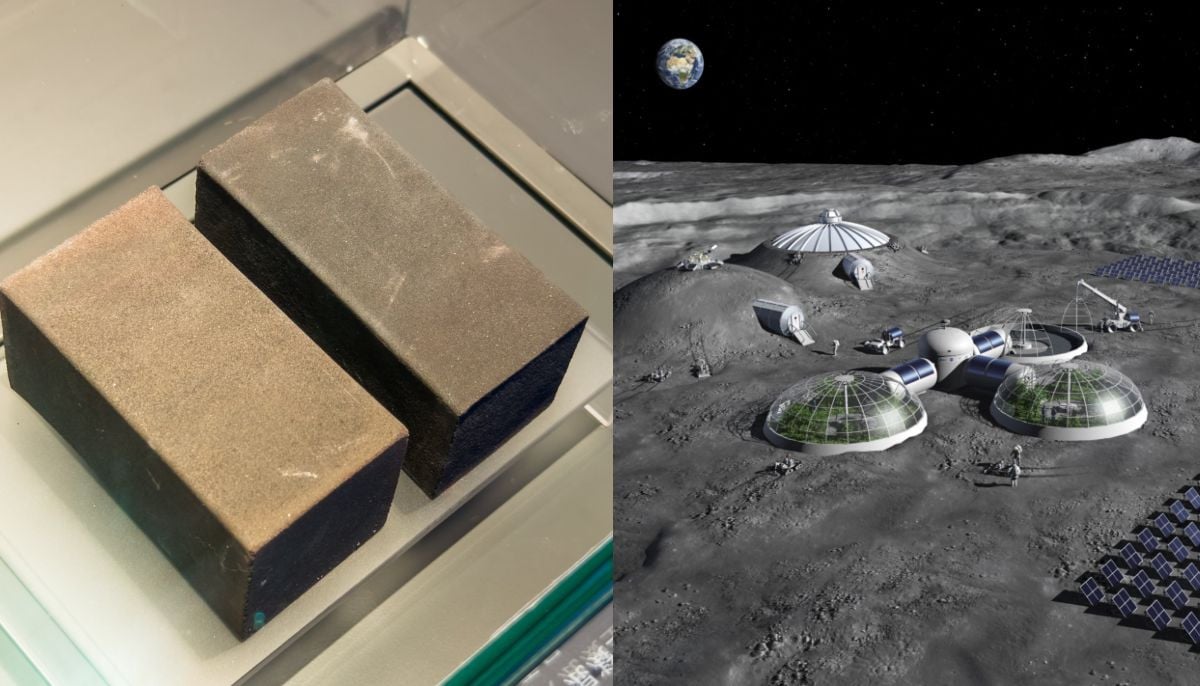
China has edged closer to building the world's first Moon base, as the first set of experimental “lunar soil bricks” returned to Earth in a major breakthrough.
These soil bricks, in an experimental trial, were kept in the harsh conditions of space as part of establishing China’s space station.
As per researchers’ findings, these lunar bricks, after surviving the severe deep space conditions, offer promising hope for future Moon base construction plans.
These findings could help predict how these bricks will degrade over 5, 10, or even 20 years on the surface of the Moon, moving China’s vision for its “Guanghan Palace” nearer to reality.
Zhou Yan, associate professor at Huazhong University of Science and Technology in Wuhan, said, “Upon opening the lid, we found that the samples were in good condition. There were no dents, holes, or other visible defects that we thought they might have because of impacts by meteorites or space debris.”
“Besides, their colours looked slightly lighter than before. It requires further assessments to figure out the reason,” he added.
These 34 blocks returned to Earth last week on Shenzhou-21 spacecraft. Each block weighs around 100 grams, showing composition of lunar rigolith.
These lunar bricks will reduce the procurement costs in establishing lunar bases by relying on in-situ resources, including solar energy, lunar soil, and surface minerals.
As the space war intensifies with the US’ Artemis II program, China is also pursuing its lunar programme ambitions to land astronauts on the Moon by 2030.
It is also planning to establish the International Lunar Research Station by 2035.


-
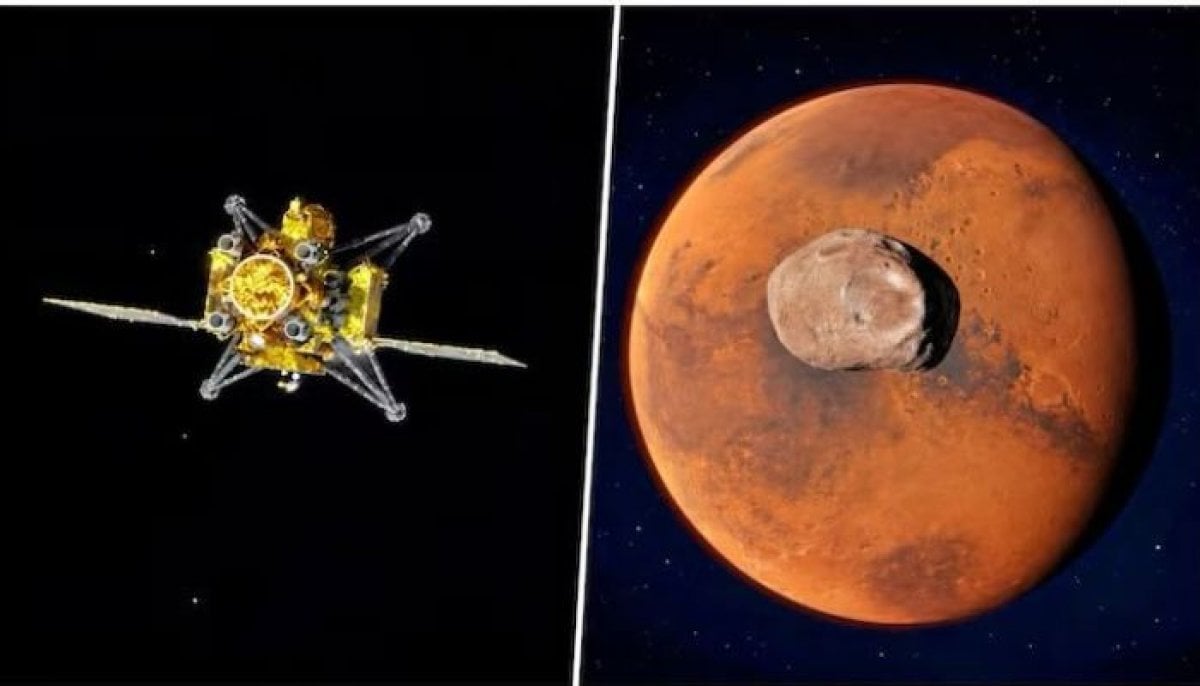 Japan launches world’s first mission to bring sample back from phobos
 -
 Orionid meteor shower 2026: Peak date, viewing tips and what to expect
 -
 Why Mars looks blue in NASA’s unedited curiosity panorama?
 -
 Blue Origin upgrades new Glenn rocket launch infrastructure to take on SpaceX
 -
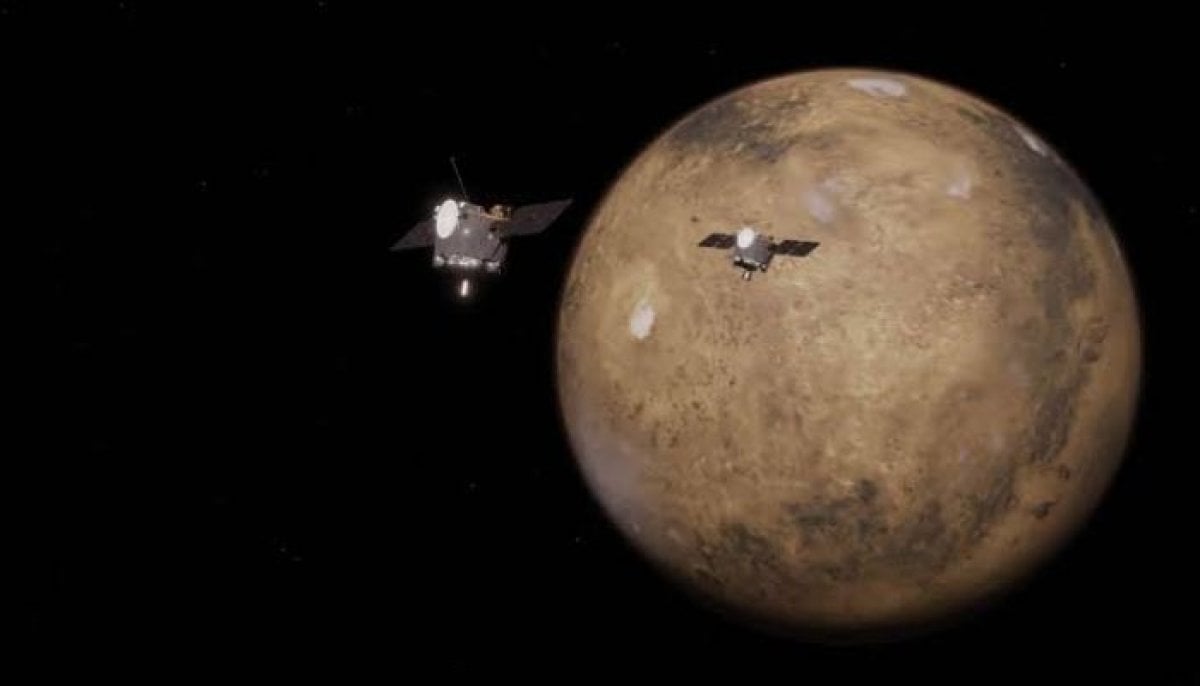 NASA’s next Mars mission targets Phobos and Deimos, not Red Planet
 -
 Is AI ready to rewrite our understanding of physics?
 -
 Astronomers identify possible first green star in 27 years of research
 -
 New study sounds alarm as Doomsday Glacier melts more aggressively than thought