NASA images of interstellar object 3I/ATLAS raise new questions about its origin
‘It looks and behaves like a comet’
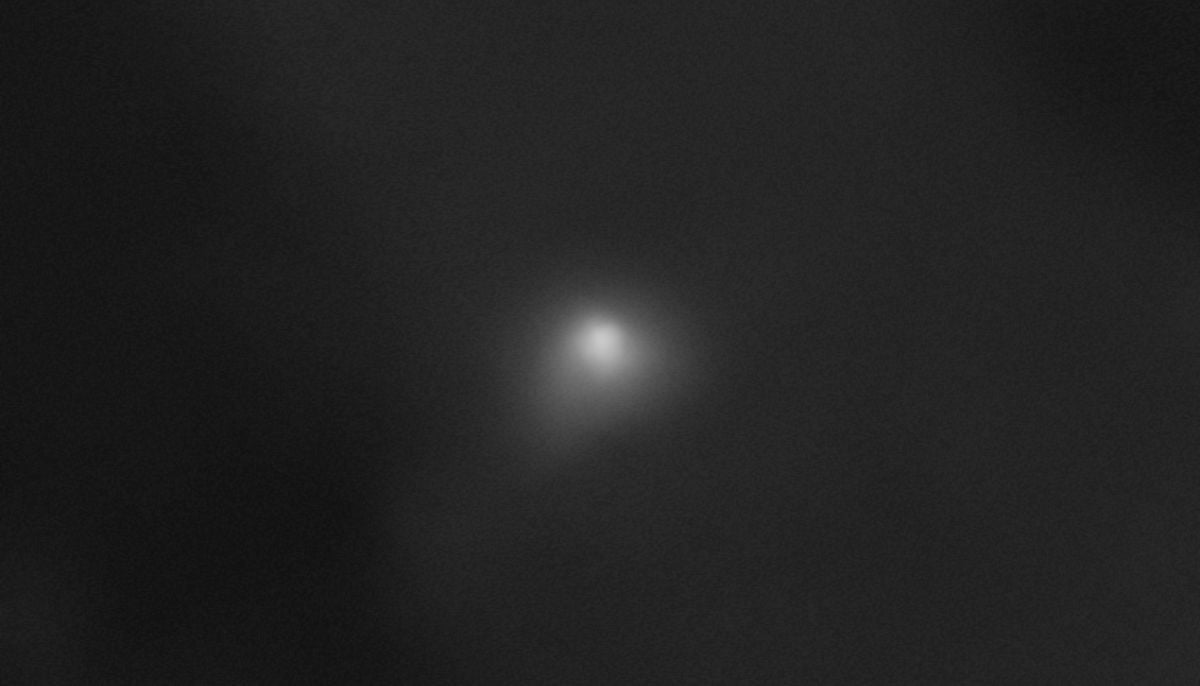
Interstellar object 3I/ATLAS, since its discovery in July, has become a center of attention in the scientific community because of its unknown nature. The recently released pictures of 3I/ATLAS by NASA have raised news questions about its origin.
The images were captured by different spacecraft, including the James Webb Space Telescope, the Mars Reconnaissance Orbiter, the Perseverance Mars rover and the Lucy asteroid-studying probe.
As per findings, NASA officials have confirmed that interstellar object 3I/ATLAS is “actually a comet in nature”, defying the prevalent view that it is an “alien spaceship” or “Trojan Horse.”
According to NASA Associate Administrator Amit Kshatriya, “It looks and behaves like a comet, and all evidence points to it being a comet. But this one came from outside the solar system, which makes it fascinating, exciting and scientifically very important.”
Nicky Fox, associate administrator of NASA's Science Mission Directorate, during a press briefing denied the possibility of 3I/ATLAS being an “alien probe.”
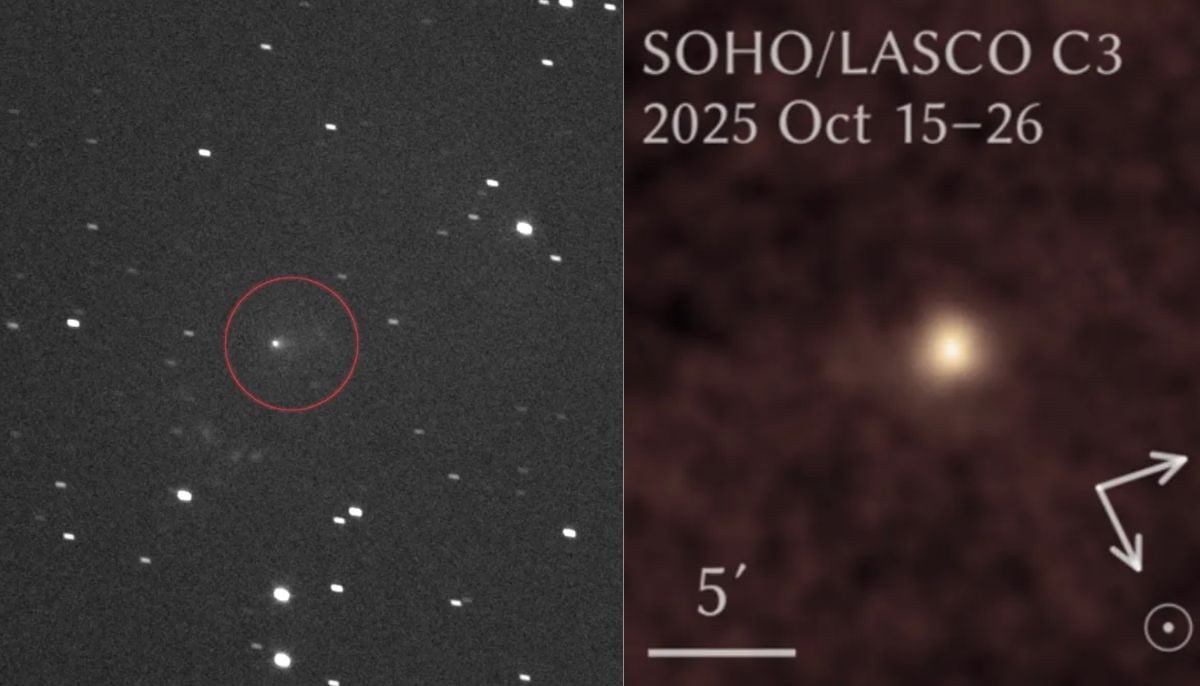
According to Fox, the NASA research team has not witnessed any technosignatures or anything from the interstellar comet that would lead us to believe that it is not a natural comet.
In the pictures shared, one can see the comet 3I/ATLAS looking like a fuzzy ball, made up of a cloud of ice and dust called a coma. This cloud is shed by the comet it hurtled towards the sun.
In response to these images, Harvard astrophysicist Avi Loeb has slammed NASA for not coming up with a new explanation about 3I/ATLAS origin, other than this being a natural comet.
According to Loeb, NASA should put its focus on what is not understood about 3I/ATLAS and assess new interpretations.
As per professor’s observations, the spacecraft could also be coated with an outer layer of dust mixed with ice, showing signs of sublimation when it reached closer to the sun, thereby imitating cometary activity.
NASA officials have also failed to understand the anomalies shown by the interstellar objects.


-
 SpaceX Starship launch delayed again: Here’s what went wrong
 -
 Cristiano Ronaldo leads Al Nassr to first Saudi Pro League title in 4-1 win over Damac
 -
 Why Donald Trump Jr. chose private Bahamas Island wedding amid questions over Trump’s attendance
 -
 Why do scientists think Neptune’s moon Nereid survived violent cosmic collision?
-
 Olivia Rodrigo releases new song 'The Cure': 'It's my favorite on the album'
 -
 'Michael 2' confirmed: Lionsgate chairman feels 'excited about the progress'
 -
 Matt Damon feels jealous of 'The Odyssey' costar Charlize Theron's one physical trait
 -
 Lizzo shares fun story behind her social media moniker
 -
 'If I do attend, 'I get killed': President Trump on son's wedding
 -
 Fans react to Netflix ending 'Emily in Paris'
 -
 Kai Trump reassures mother Vanessa Trump after cancer diagnosis
 -
 Why SpaceX wants to ‘protect the future of consciousness,’ Elon Musk explains