PIA posts ‘highest’ half-year pre-tax profit in nearly two decades
PIA record pre-tax profit of Rs11.5 billion in six months to June, compared with same period in 2024
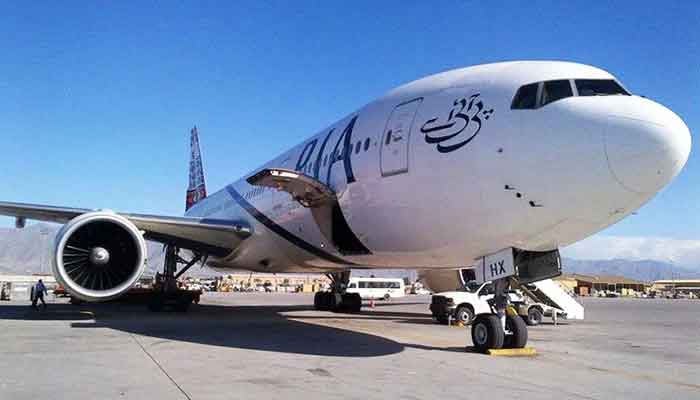
KARACHI: Pakistan International Airlines (PIA) posted a pre-tax profit in the first half of 2025, its highest in nearly two decades, a company source said.
PIA, part of PIA Holding Company, recorded a pre-tax profit of Rs11.5 billion in the six months to June, compared with the same period in 2024 when it remained in a loss before taxes and only managed a rare annual profit through deferred tax adjustments. Net profit for the current half year stood at Rs6.8 billion.
The disclosure comes as Islamabad presses ahead with a fresh attempt to privatise the airline, a key condition under Pakistan's $7 billion IMF bailout.
A company source said it was the state-run airline's first such profit since 2004. Financial records before 2014 are no longer publicly available on the airline's and the stock exchange's websites.
The planned sale of PIA would mark the country’s first major privatisation in about two decades, with divestment of loss-making state firms a central plank of last year’s bailout.
Lucrative UK routes
High fuel and service costs continue to weigh, but a steep drop in finance costs after Islamabad assumed about 80% of PIA’s legacy debt last year was a decisive factor in its return to profit. Despite the gain, PIA’s equity remains negative, underscoring the fragility of its turnaround.
A previous privatisation attempt collapsed last year after a single lowball offer was received, but the government has since drawn interest from five domestic business groups including Airblue, Lucky Cement, investment firm Arif Habib, and Fauji Fertilizer. Final bids are expected later this year.
Britain lifted in July a five-year ban on Pakistani airlines imposed after a fatal 2020 crash and a pilot licensing scandal, allowing PIA to reapply for lucrative UK routes. The move follows similar steps by the European Union late last year.
PIA had previously estimated an annual revenue loss of around Rs40 billion from the British ban, with London, Manchester and Birmingham among its most profitable routes.


-
 Tesla drops as spending cuts raise questions about AI and robotics plans
 -
 Barclays to cut 5,000 jobs as AI reshapes banking
 -
 China's brain-computer interface market could reach $920m by 2028
 -
 Bombardier shares rise as Trump drops threat to block aircraft sales in US
 -
 OpenAI seek to raise $30 billion at $1.4 trillion valuation ahead of Anthropic IPO
 -
 Supreme Court rejects Google challenge to patent office review policy: Here's why
 -
 Netflix faces scrutiny over user engagement ahead of Q3 report
 -
 Meta and Tesla are set to report earnings next week: What to know