Pakistan, China to jointly establish space science centre
Space science will serve as a hub for research, development, and application of space technologies
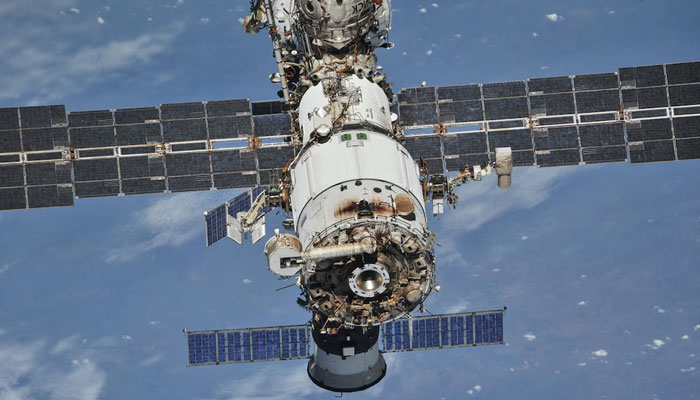
Pakistan and China will establish a joint training centre for space science to enhance cooperation in astronaut training as part of their five-year action plan.
This agreement falls under the Action Plan (2025–2029) for a closer China-Pakistan partnership in the new era.
The two countries will continue to implement the 2021–2030 Space Cooperation Outline Program, signed between the China National Space Administration and Pakistan’s Space and Upper Atmosphere Research Commission.
Both sides reaffirmed their commitment to joint work on lunar and deep space exploration, including multilevel assessments of the International Lunar Research Station and enhanced collaboration in advanced space technologies.
The action plan will provide the joint selection and training of astronauts, a move that could pave the way for Pakistan’s eventual participation in human spaceflight missions in collaboration with China.
Continuous discussions on the establishment of the Pakistan Space Center will be a key point of the action plan, which will serve as a hub for research, development, and application of space technologies for economic and social development.
The two countries also expressed consensus to strengthen cooperation on the use of the international version of the China Platform of Earth Observation System, enabling Pakistan to access advanced remote sensing and satellite technologies to support agriculture, disaster prevention, water management, climate monitoring, and urban planning.
The action plan highlights space technologies as essential for Pakistan's economic modernization and further deepens the strategic partnership.
China and Pakistan noted that their long-standing cooperation in space science and technology is not only of mutual benefit but also of strategic significance, reflecting their resolve to expand collaboration in frontier domains alongside traditional areas such as trade, infrastructure, and defense.


-
 US-Russian space crew returns to Earth after eight-month mission on the International Space station
 -
 Viking 1 mars landing: 50 years since first photos
 -
 Four hidden dead stars found in Earth's backyard
 -
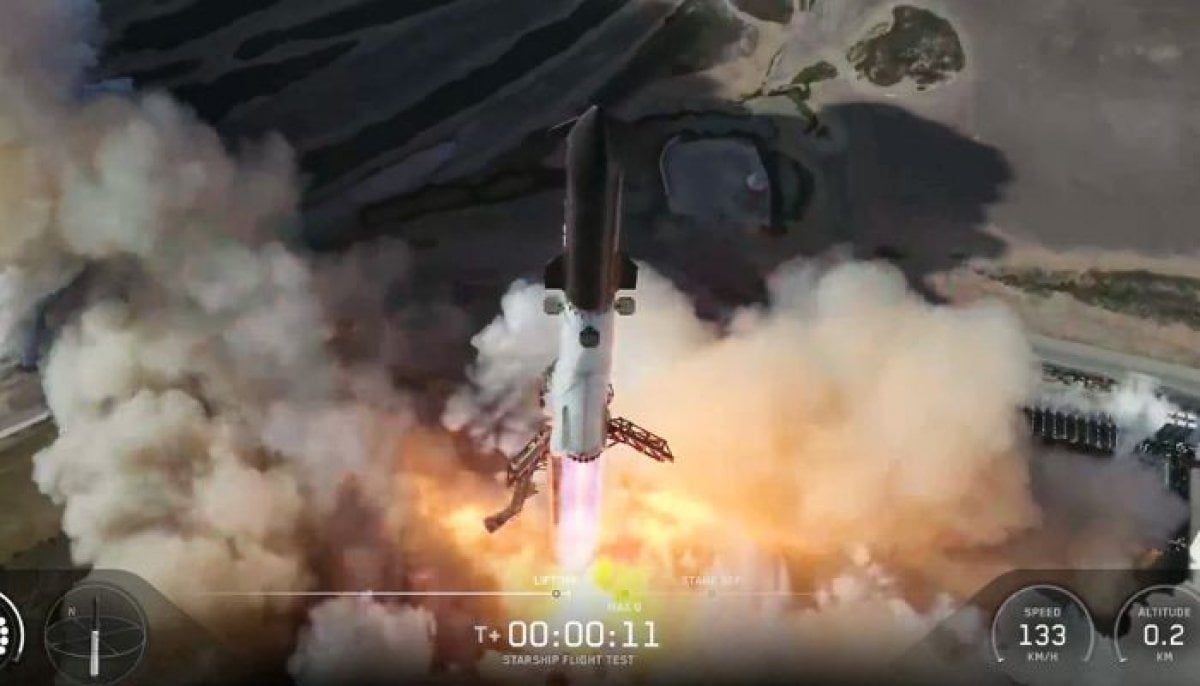 What happened during SpaceX’s 13th Starship test? First upgraded Starlinks successfully deployed
 -
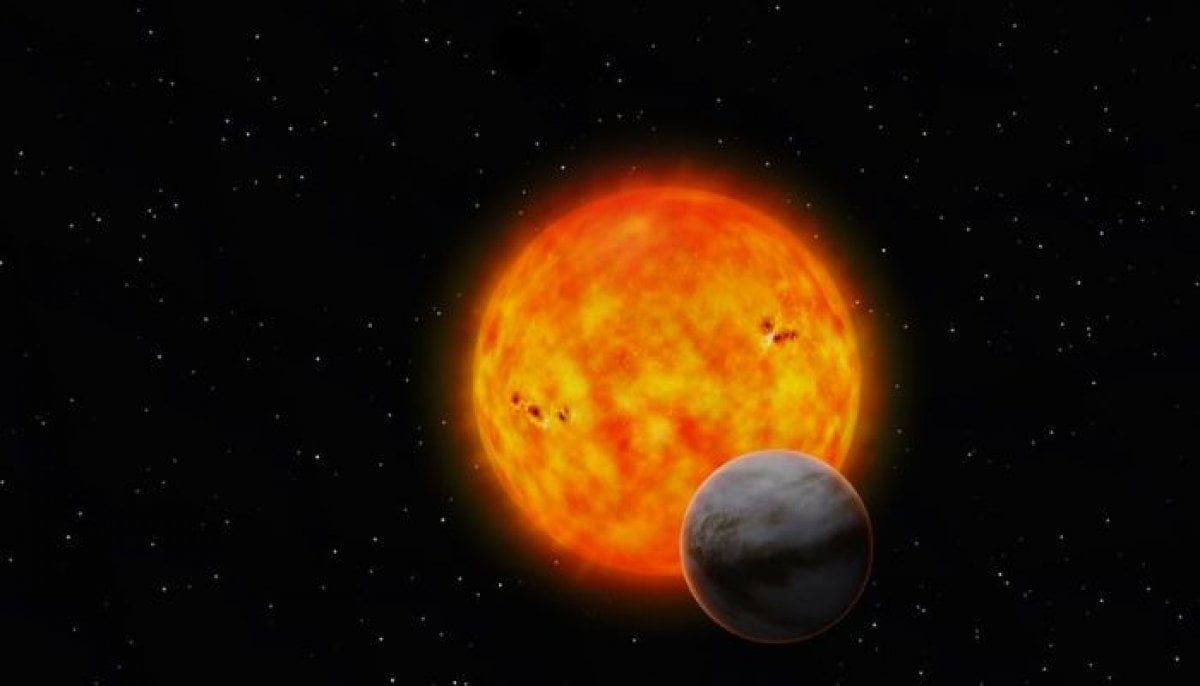 Astronomers may have found the first moon beyond our solar system
 -
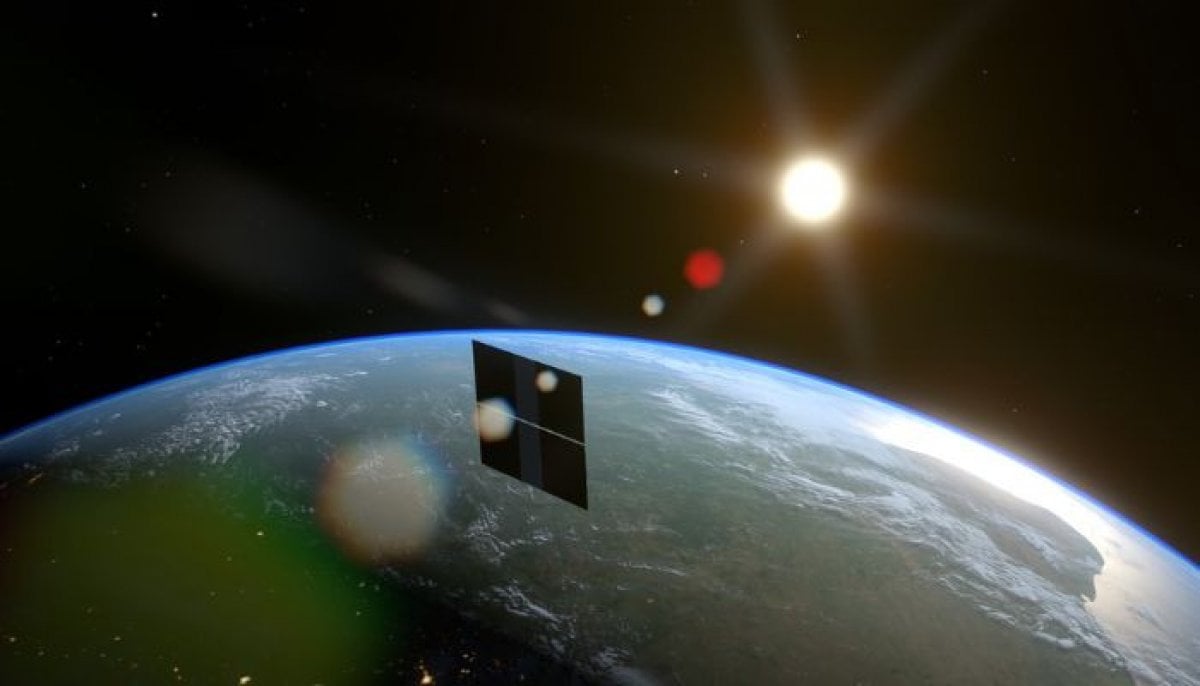 Space datacenters could catastrophically pollute Earth, groups warn
 -
 Astronomers just solved a 10-billion-year-old Milky Way mystery
 -
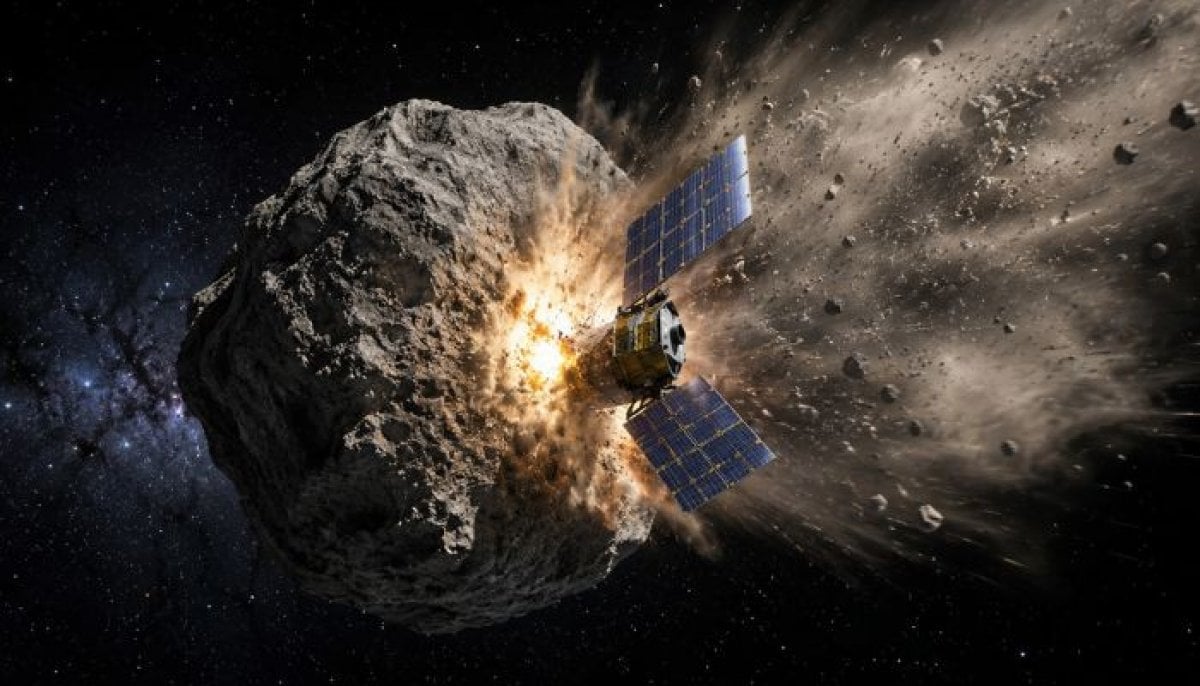 Why China is crashing a spacecraft into asteroid 2015 XF261