Reduction in US tariff to boost Pakistan exports, NA told
Commerce minister dispels impression that Pakistan's exports will take a hit of $1bn due to 19% import duty
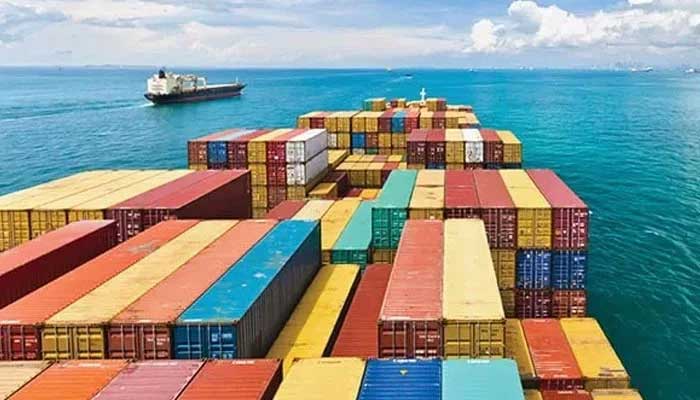
Commerce Minister Jam Kamal Khan has sought to dispel the impression that Pakistan's exports will take a hit of $1 billion due to 19% tariff imposed by the US.
In his response submitted to the National Assembly, the commerce minister said the US has slashed the tariff on Pakistani goods from 29% to 19%.
The reduction in tariff will lead to increase in the sales of Pakistani products in the US market and likely to boost Pakistan's textile exports, he maintained.
The response came as Trump's higher tariff rates of 10% to 50% on dozens of trading partners including Pakistan kicked in on Thursday, testing his strategy for shrinking US trade deficits without massive disruptions to global supply chains, higher inflation and stiff retaliation from trading partners.
Earlier this month, Trump announced a fresh wave of steep import duties, targeting dozens of countries — including Pakistan with 19% reciprocal tariff, ahead of August 1 deadline.
Previously the US president had slapped 29% tariff on Pakistani goods, which was revised when the two countries finalised a trade agreement.
Islamabad described the deal as a marker of a broader partnership with Washington, and Finance Minister Muhammad Aurangzeb, who led the final round of talks, said there was a larger economic and strategic agreement.
The US president meanwhile trumpeted a pact to help develop Pakistan's oil reserves. "We have just concluded a Deal with the Country of Pakistan, whereby Pakistan and the US will work together on developing their massive Oil Reserves," Trump wrote on social media.
"We are in the process of choosing the Oil Company that will lead this Partnership."
Islamabad's trade surplus with Washington was around $3 billion in 2024, mainly due to textile exports. The United States is Pakistan's biggest market for textiles.
Trump's July 31 tariff order imposed duties above 10% on 67 trading partners, while the rate was kept at 10% for those not listed.
These import taxes are one part of a multilayered tariff strategy that includes national security-based sectoral tariffs on semiconductors, pharmaceuticals, autos, steel, aluminium, copper, lumber and other goods. Trump said on Wednesday that the microchip duties could reach 100%.


-
 HSBC to phase out fixed-pay allowances by 2028 in major compensation overhaul
 -
 TotalEnergies expands US renewable venture with KKR in $1.2B solar portfolio deal
 -
 Australian telecom shares tumble as SpaceX moves closer to direct-to-cell market
 -
 World Bank in crisis aid talks with dozens of nations amid global shocks
 -
 Deutsche Bank chief explains why German election results alarm foreign investors
 -
 China orders development of national blockchain network in economic blueprint: Here’s why
 -
 Tesla renames 'full self-driving' to 'assisted driving' in Europe: What to know
 -
 US sanctions ICC hours after former judge wins Nobel Prize: What to know