Sindh records first Congo fever case of year
42-year-old patient died a day after testing positive for CCHF in Karachi on 16th, says health department
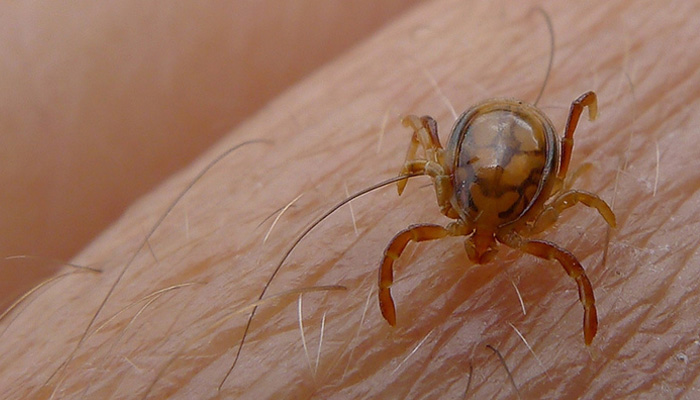
Sindh has reported the first case of the Congo Crimean Hemorrhagic Fever (CCHF) of 2025 in Karachi.
A patient infected with the virus passed away after contracting the disease.
The provincial health department said in a statement that a 42-year-old man, who was a resident of Karachi's Malir, contracted the Congo virus. He tested positive on June 16 and died the next day.
The CCHF is caused by the Congo virus, which is found on a tick that attaches itself to the skin of cattle. People who come into contact with these infected ticks or animals can contract the viral disease, which is highly contagious and has a 40-50% mortality rate.
Moreover, two individuals were also tested positive for the CCHF in Khyber Pakhtunkhwa's Karak district, the KP health department said.
Dr Qudratullah said that both patients were receiving treatment in a Peshawar hospital and their condition is stable.
The onset of CCHF is sudden, with initial signs and symptoms including headache, high fever, rashes, back pain, joint pain, stomach pain, and vomiting.





-
 Was the human brain once two separate organs? Scientists find new clues
 -
 Novo Nordisk partners with Anthropic to accelerate AI-powered drug discovery
 -
 Congo Ebola outbreak reaches turning point as daily infections fall
 -
 Study reveals why some babies are born with heart defects
 -
 Third measles-associated death reported as Pennsylvania outbreak reaches 676 cases
 -
 Cyclosporiasis outbreak: US officially ends largest outbreak linked to contaminated lettuce
 -
 Hot beverages increase risk of cancer? New research provides in-dept details
 -
 Highest-level recall issued for potato chips over banned ingredient posing death risk