OpenAI and Microsoft renegotiate billion-dollar deal
Tech giants are revising terms of wider contract, first drafted when Microsoft initially invested $1bn into OpenAI in 2019
OpenAI and Microsoft are rewriting terms of their multibillion-dollar partnership in a negotiation designed to allow the ChatGPT maker to launch a future IPO, while protecting the software giant’s access to cutting-edge AI models, the Financial Times reported on Sunday.
A critical issue is how much equity in OpenAI’s new for-profit business Microsoft will receive in exchange for the more than $13 billion it has invested in the company to date, the report said.
It said Microsoft is offering to give up some of its equity stake in exchange for access to new technology developed beyond the 2030 cut-off.
They are also revising terms of a wider contract, first drafted when Microsoft initially invested $1 billion into OpenAI in 2019, the report said.
Microsoft declined to comment on the report. OpenAI did not immediately respond to Reuters’ requests for comment.
OpenAI has told investors it will share a smaller fraction of revenue with its largest backer as it moves ahead with restructuring, The Information reported last week.
In January, Microsoft changed some terms of a deal with OpenAI after entering a joint venture with Oracle and Japan’s SoftBank Group to build up to $500 billion of new artificial intelligence data centres in the US.


-
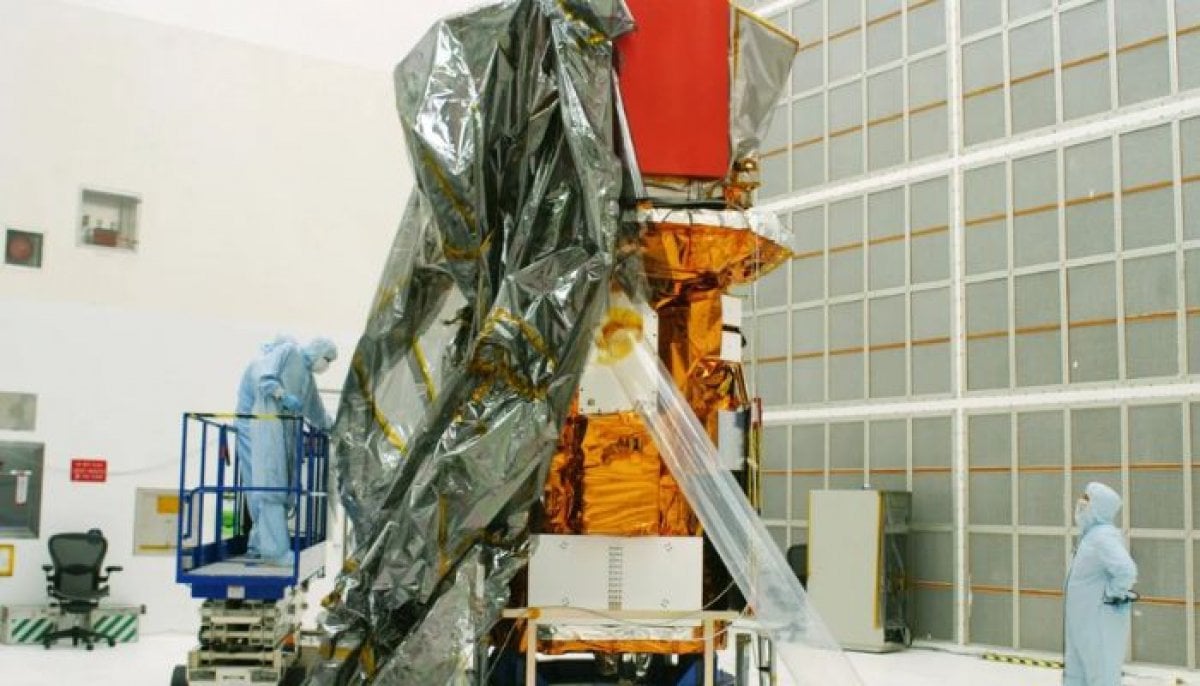 Can NASA save Swift Observatory telescope? Inside space agency's bold rescue mission
 -
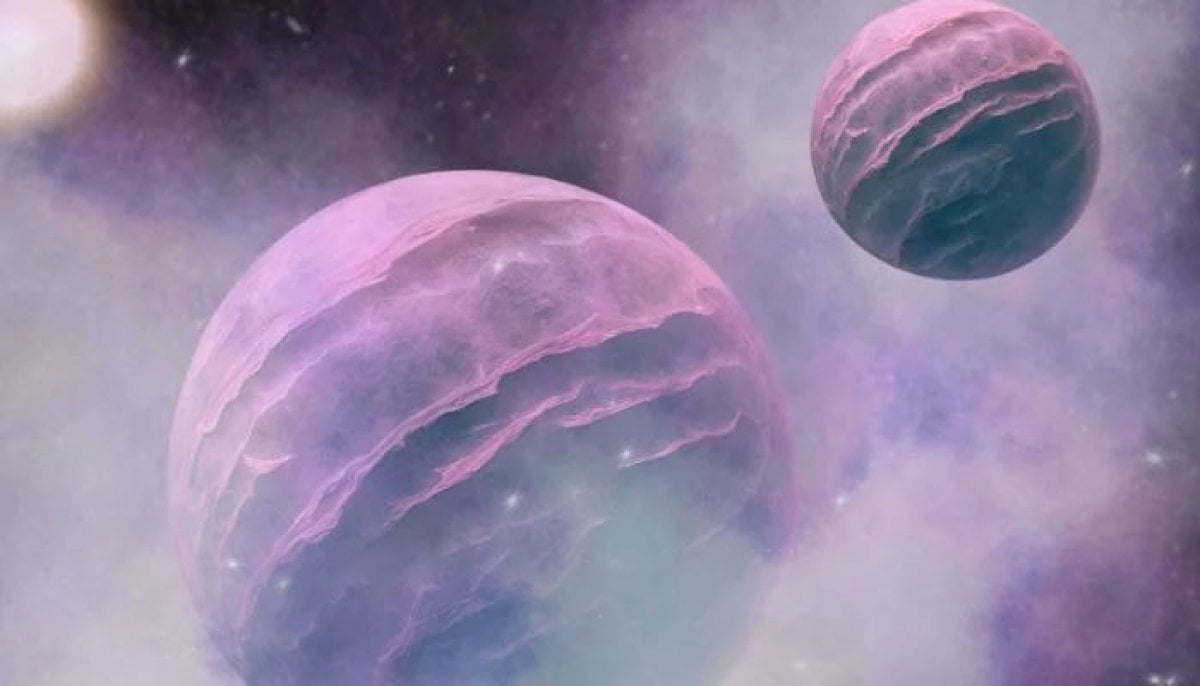 Scientists found 'super-puff' planets 1,110 light-years away
 -
 Scientists find ancient microbial life in places it shouldn't exist
 -
 Why Marijuana is suddenly sending thousands of dogs to hospitals in US?
 -
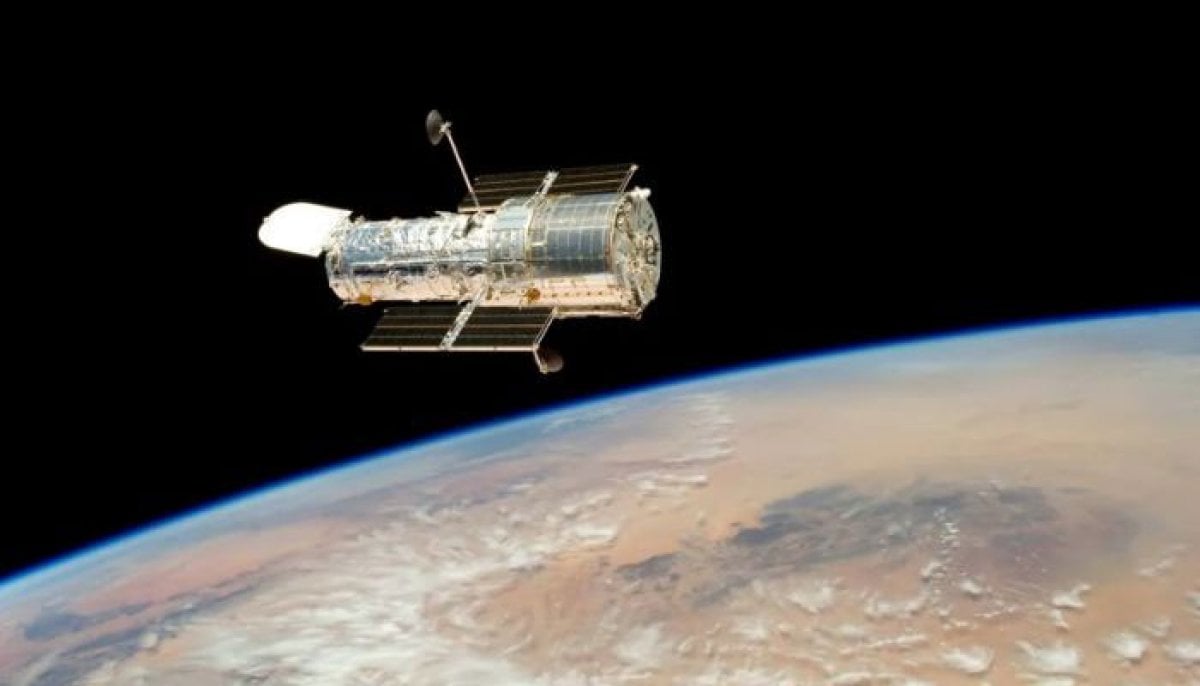 36 years on, Hubble shows how stars actually change over time
 -
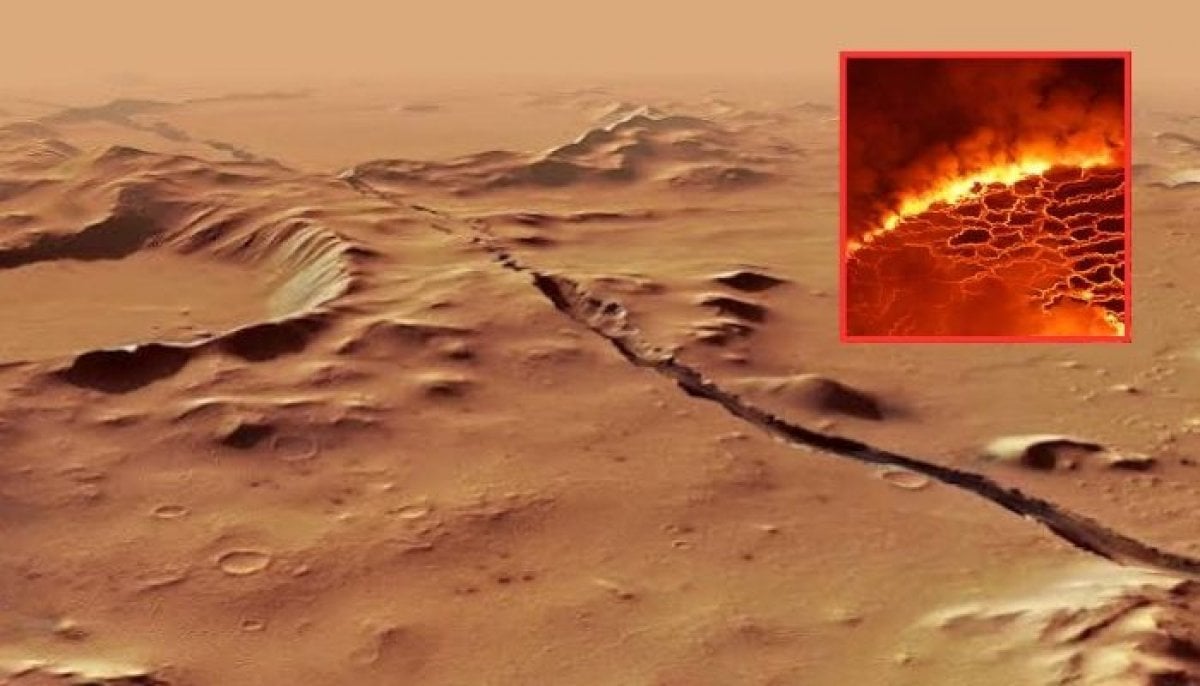 Hidden magma beneath Mars? Scientists' 'unexpected' discovery raises new questions about alien life
 -
 Rare 3,200-year-old coral blue hole discovered in South China Sea
 -
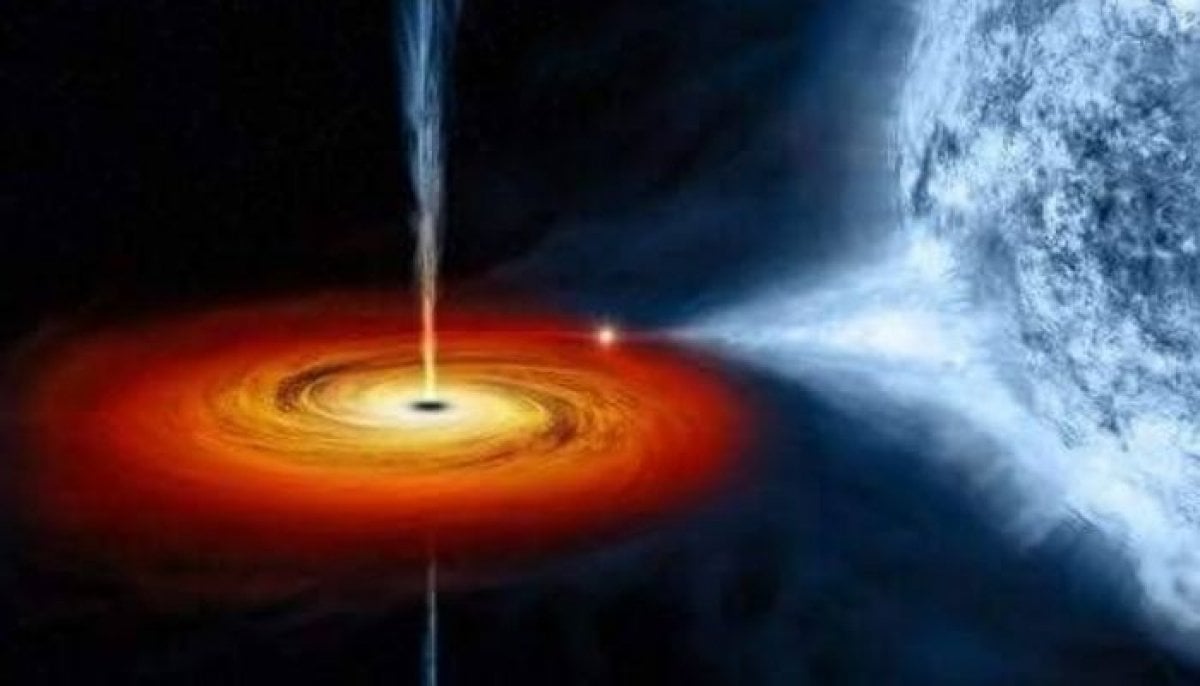 What happens at black hole’s event horizon? Scientists find the first-ever clue
-
 Scientists discover evidence of fires used by humans 1.8 million years ago
 -
Did NASA just uncover evidence of ancient life on Mars? Key discoveries explained
-
Four powerful earthquakes strike three continents within hours: Scientific link or coincidence?
-
Mysterious interstellar comet passing our solar system may be 12 billion years old, scientists say