Nasa spots 'inactive' supermassive black hole bursting with X-rays
Expert says each of Ansky's eruptions is releasing hundred times more energy than we have seen elsewhere
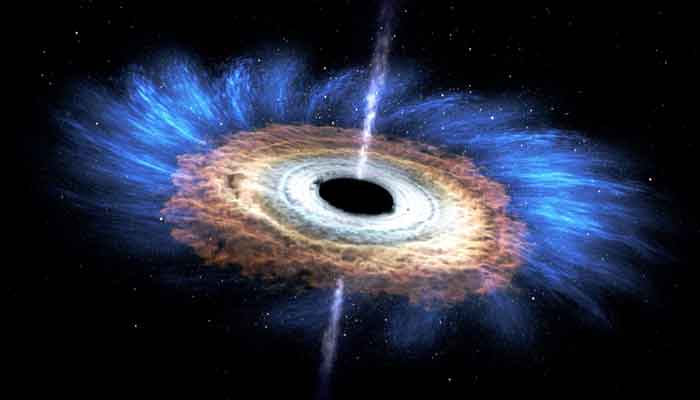
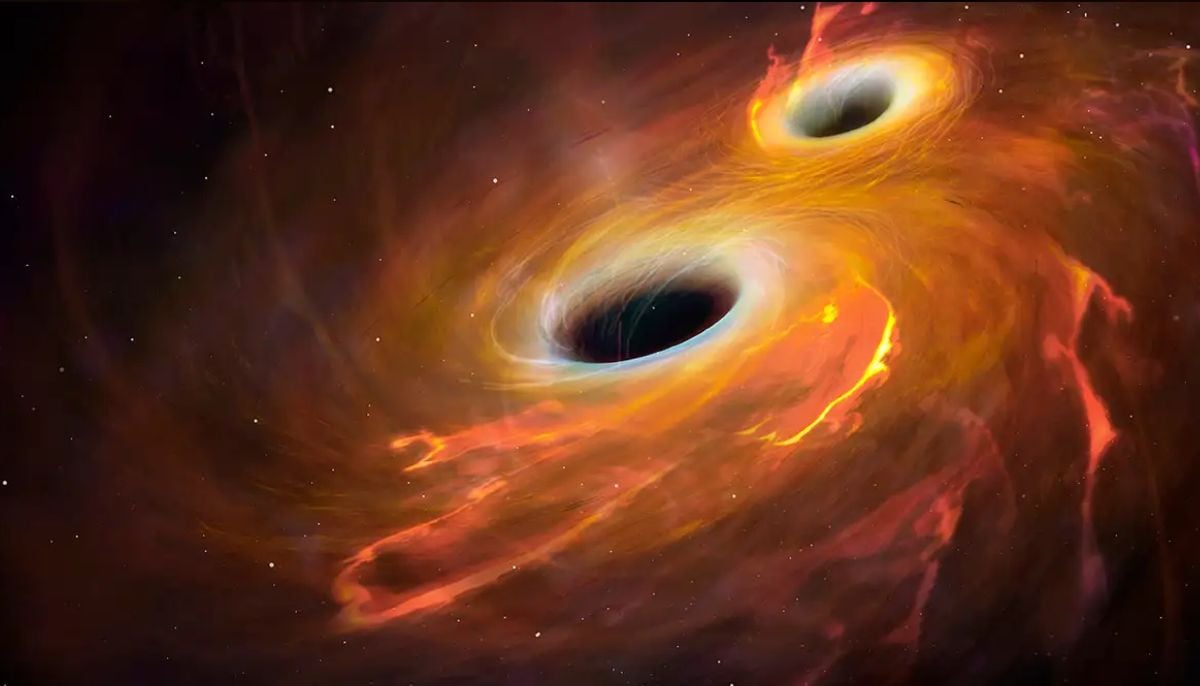
A supermassive black hole, which remained previously inactive, was seen erupting with the longest and most powerful X-ray blasts ever seen from such a cosmic titan at the heart of the galaxy SDSS1335+0728, located about 300 million light-years away from us.
The start of the supermassive black hole devouring matter around it and erupting with short-lived flaring events called quasiperiodic eruptions (QPEs) is marked by this active phase, reported Space.com.
The black hole is responsible for a region at the heart of its galaxy called an "active galactic nucleus," or "AGN."
The team has dubbed this AGN "Ansky."
In late 2019, the awakening of Anksy was first detected, alerting astronomers who followed up on its manifestation with Nasa's Swift X-ray space telescope.
Astronomers had begun to see the black hole powering Ansky erupting with flares at fairly regular intervals by February 2024.
"The bursts of X-rays from Ansky are ten times longer and ten times more luminous than what we see from a typical QPE," team member Joheen Chakraborty of the Massachusetts Institute of Technology (MIT) said in a statement.
"Each of these eruptions is releasing a hundred times more energy than we have seen elsewhere. Ansky's eruptions also show the longest cadence ever observed, of about 4.5 days. This pushes our models to their limits and challenges our existing ideas about how these X-ray flashes are being generated,” the team member added.
With assistance from the European Space Agency (ESA) space mission XMM-Newton, Nasa's NICE and Chandra missions, and archival data from eROSITA, the team's QPE observations were made possible.


-
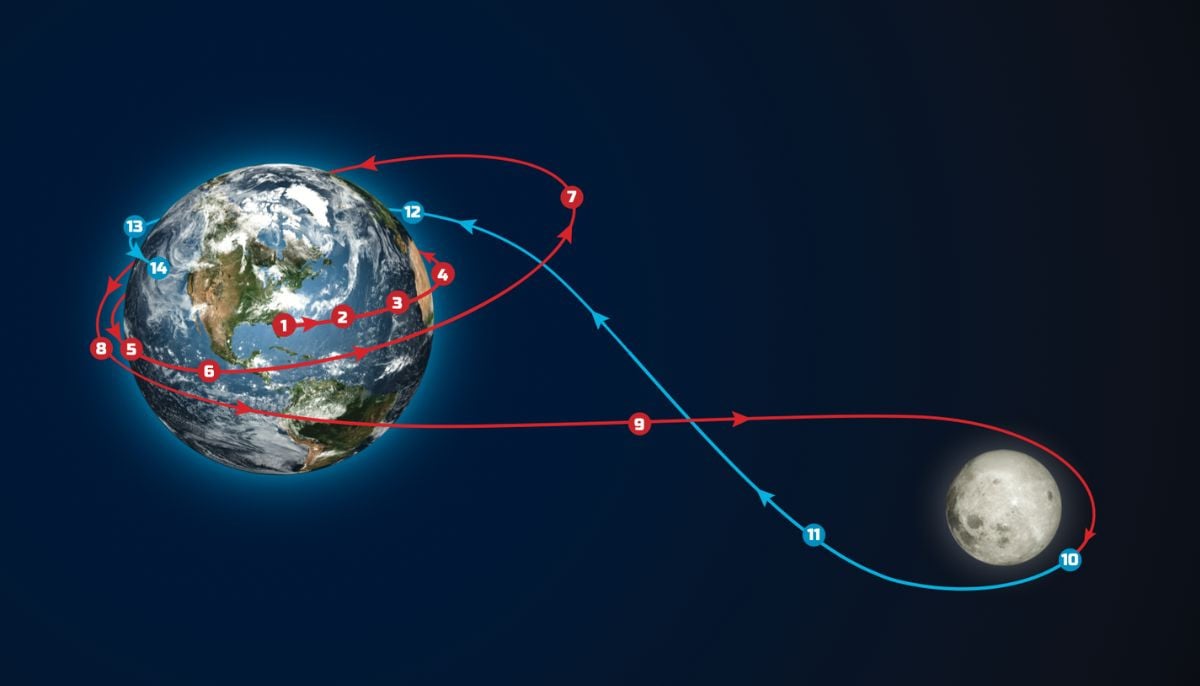 Why NASA Artemis II won’t take straight path to Moon: ‘Figure-8’ route explained
 -
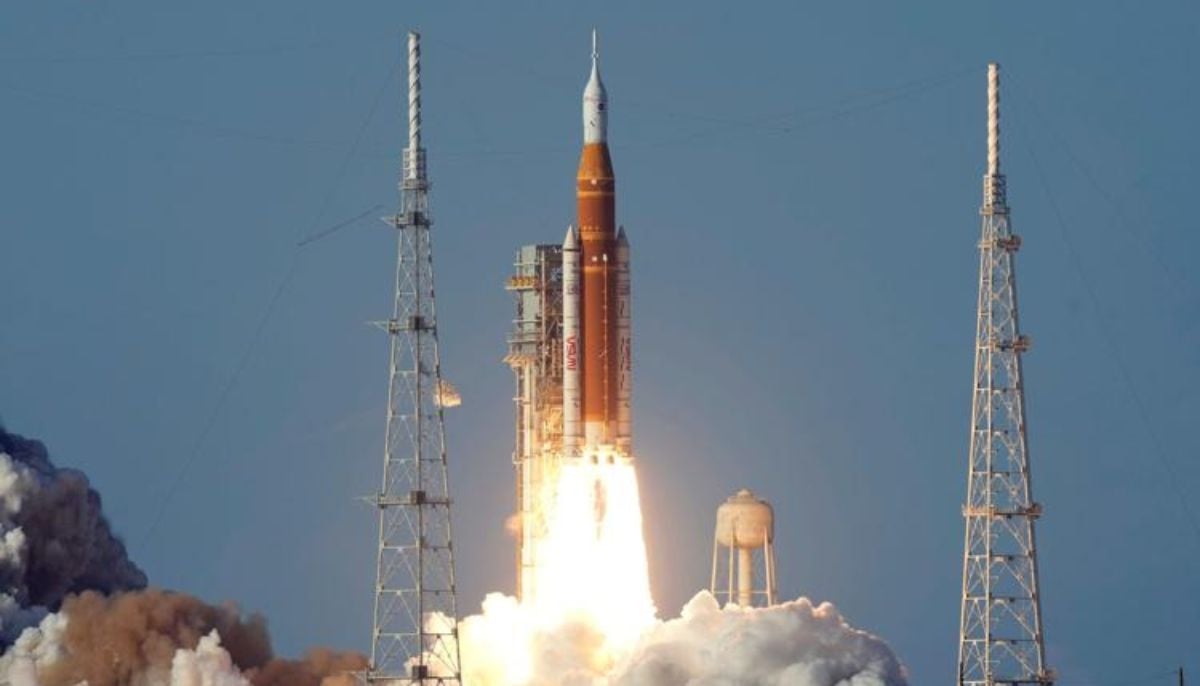 Even in space: NASA Artemis II astronauts hit Outlook glitch mid-mission
 -
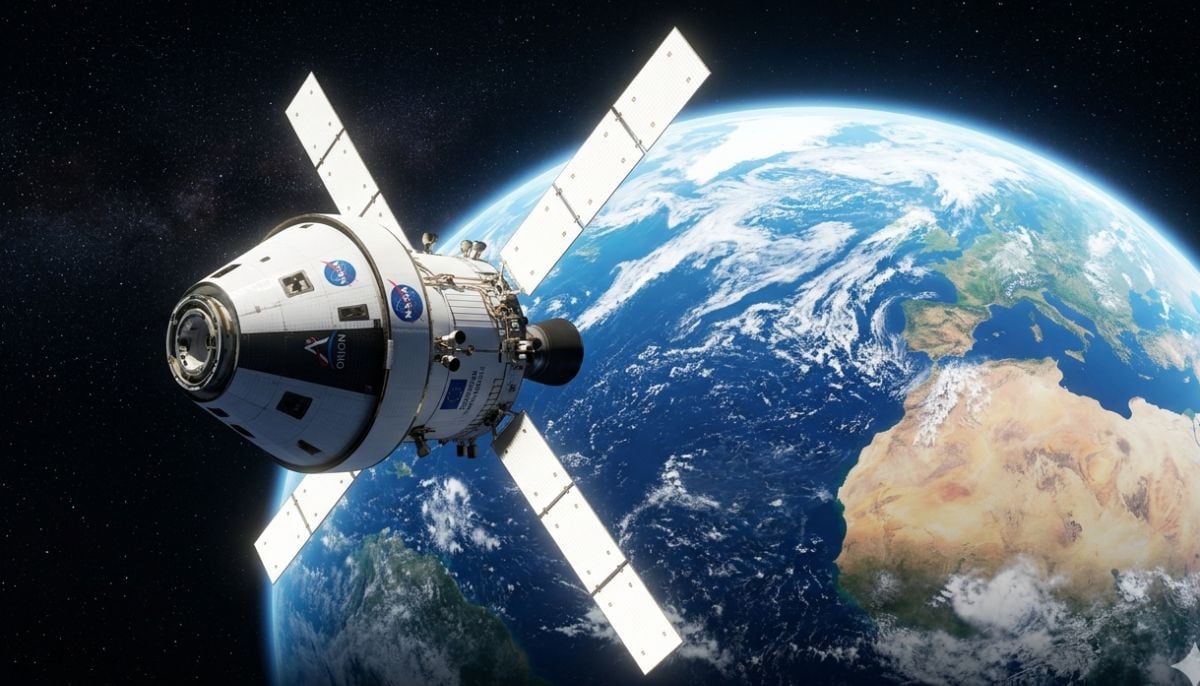 Artemis II hurtles ever closer to the lunar far side
 -
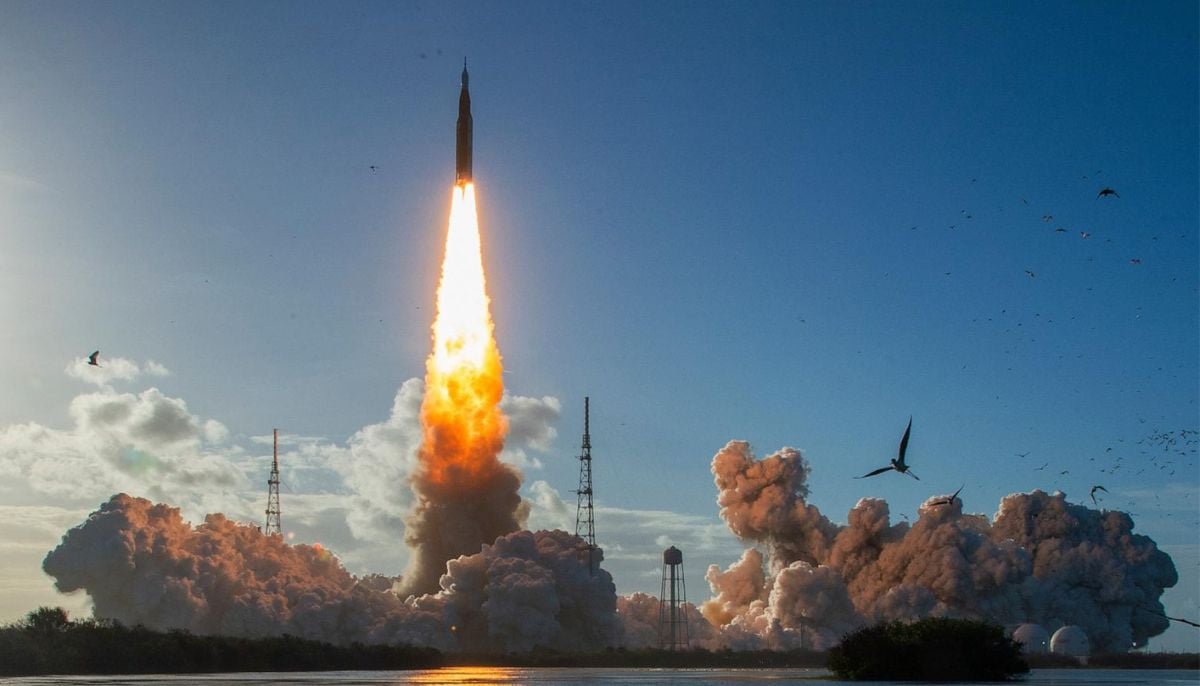 Where is Artemis II today? Here is everything to know about NASA’s journey to the moon
 -
 European Space Agency to negotiate with NASA on future lunar missions
 -
 SpaceX AI satellites plan raises doubts after Microsoft setback
 -
 NASA Artemis II lifts off, sending cubesats into deep space study
 -
 Could there be life on Mars? NASA Jared Isaacman claims chances are 90%