Google announces new Gemini side panel for Gmail, Docs, Sheets, Drive, Slides
The web tool will provide "proactive prompts" in addition to allowing users to ask "freeform questions"

Google is adding new artificial intelligence (AI) features to Gmail to boost the user experience and make the application more manageable.
The tech company is rolling out a tool called the Gemini side panel, designed to summarise email threads and write new emails, The Verge reported.
As per Google, the web tool will provide "proactive prompts" in addition to allowing users to ask "freeform questions".
The Gemini side panel will also be available in Docs, Sheets, Slides, and Drive, but only to paid subsribers.
Previously known as Duet AI, the side panel powered by Gemini 1.5 Pro in Docs lets you write and refine content, summarise information, and help you brainstorm by using help from other files.
In Slides, the side panel will help generate custom slides, images, presentations, and more.
In Sheets, the side panel will assist users in tracking and organising data by helping create tables, generate formulas, and ask how to accomplish certain tasks.
In Drive, with the help of the Gemini side panel, users can summarise one or multiple documents and get quick information about the project.
In Gmail, the side panel will assist users in summarising email threads, suggest responses, ask questions, and find specific information from emails within your inbox or from your Google Drive files.


-
 Google DeepMind maps 9 billion human DNA mutations in major genetics breakthrough
 -
 'New' frog species discovered after hiding in plain sight for 100 years
 -
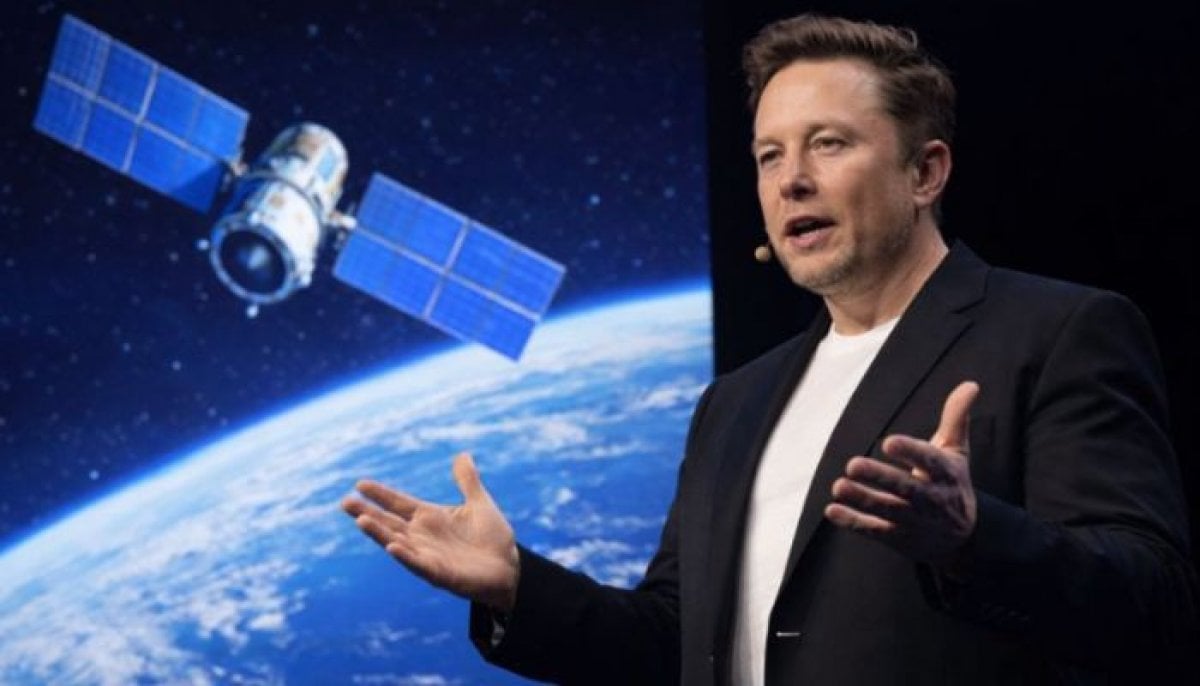 Elon Musk, SpaceX eyes 1 million satellites for orbital data centers
 -
 Small asteroid to create fireball over ocean near Australia today: What to know
 -
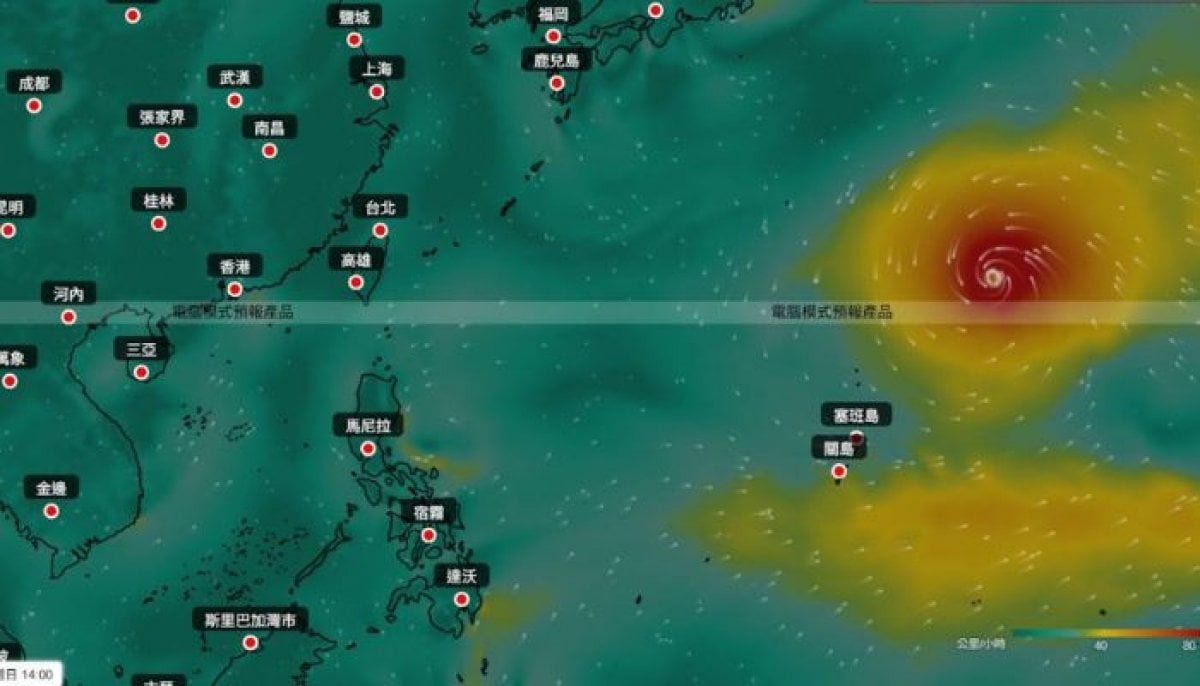 AI model flags possible cyclone near Hong Kong
 -
 First private rocket reaches orbit from Continental Europe as Isar Aerospace launches Spectrum
 -
 49 years of Voyager 1: The epic journey that took us beyond the solar system
 -
 Earth's next supercontinent could trigger mass extinctions, says scientists