SpaceX Starship attempts fourth launch
Elon Musk's space vessel blasted off from company's Starbase launch site near Boca Chica Village, Texas
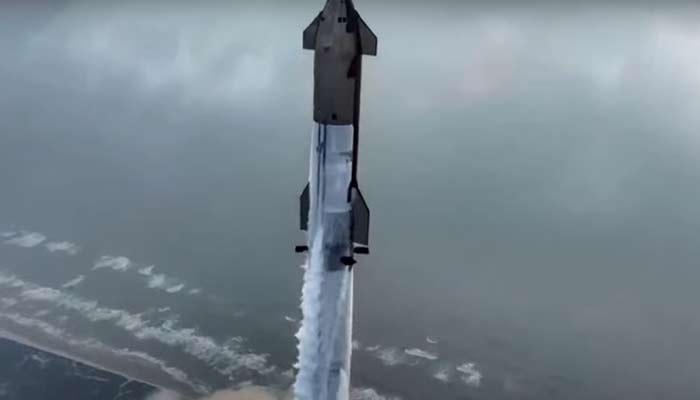
For its fourth test towards space, SpaceX's giant Starship was launched from south Texas on Thursday.
Surviving a blazingly hot re-entry through the Earth’s atmosphere is the main ambition of Elon Musk's space corporation. During the Starship's last attempt, it was the same intensive phase where the rocket broke apart, reported Reuters.
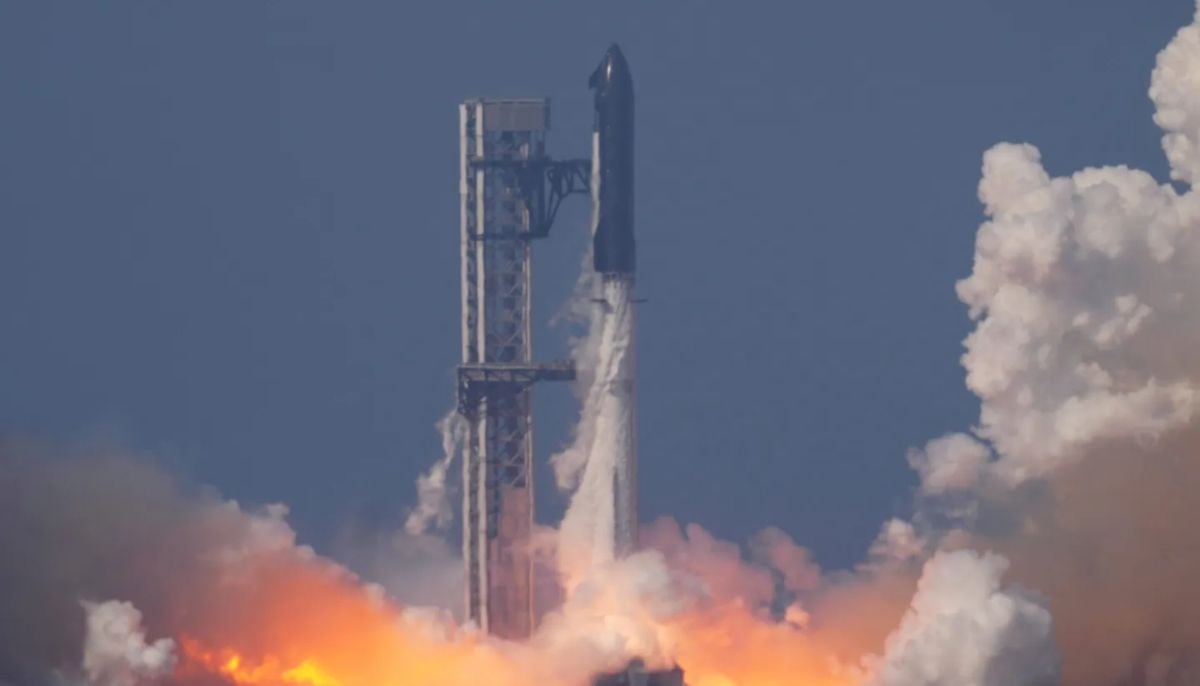
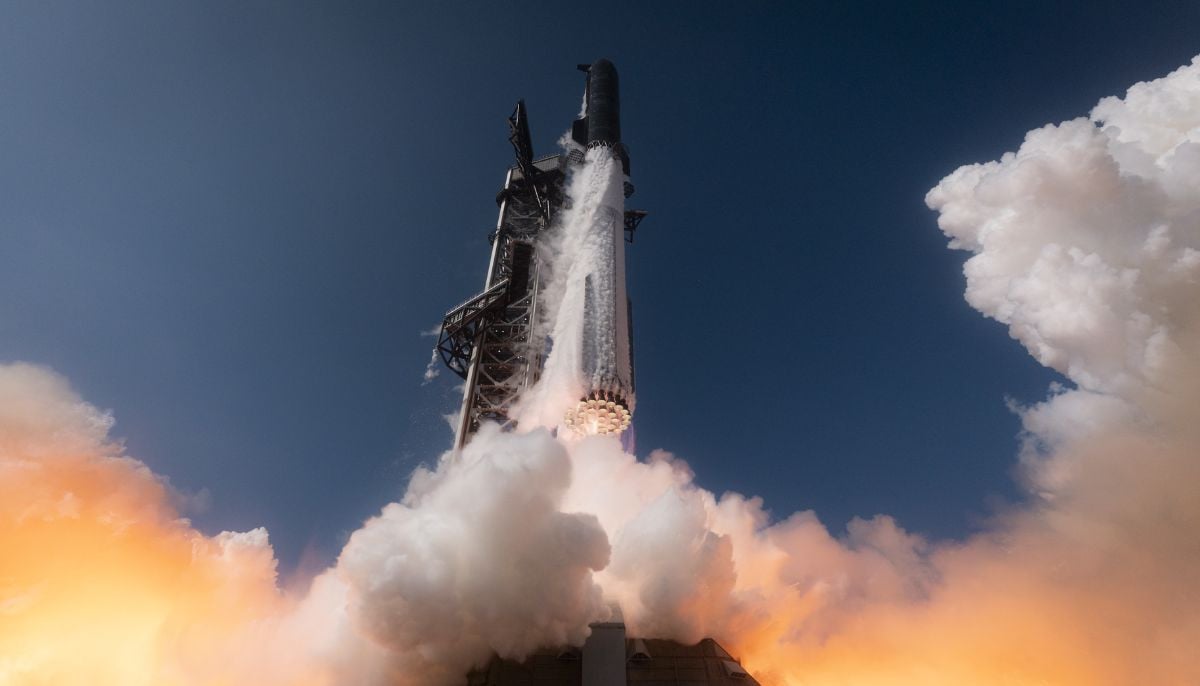
The two-stage spacecraft, which consists of the Starship cruise vessel mounted atop its towering Super Heavy rocket booster, blasted off from the space company's Starbase launch site near Boca Chica Village on the Gulf Coast of Texas.
In the test-to-failure rocket development campaign of Elon Musk's company, it is the latest trial mission.
Either by blowing up or disintegrating in the atmosphere, each starship rocket has made it farther in its testing objectives than previous tests before failing.
Minutes after liftoff some 40km (25 miles) above ground, the rocket’s first launch in April 2023 exploded. Moreover, Starship reached space for the first time but exploded soon after during the next attempt in November.
As the starship attempted to return from space halfway around the globe, it made it much farther and broke apart in Earth’s atmosphere in its most recent flight in March.
The rocket's flight on Thursday is a repetition of its earlier test, however, it aims to get farther.
“Super Heavy”, which is the rocket system's first stage, ignited its 33 Raptor engines to lift off. It was then due to separate from the Starship's second stage, which would then blast further into space.


-
 5 times video games actually went to space
 -
 Blue Origin hit with months-long delays after rocket explosion damages launch pad
 -
 Blue Moon 2026: Everything to know about the rare celestial event
 -
 Blue Origin’s New Glenn rocket explodes: NASA responds to impact on lunar base mission
 -
 Scientists map hidden Antarctic Marginal Ice Zone in Southern Ocean for first time
 -
 Who are the Artemis 3 astronauts? NASA announcement coming June 9
 -
 Blue Moon 2026: How it highlights the mechanics of our Solar System
 -
 China sends artificial embryos into space—Could humans reproduce in zero gravity?