Scientists detect mysterious waves in Jupiter’s core, what are they?
Scientists say a high-speed current deep in Jupiter’s atmosphere was fluctuating in roughly four-year periods
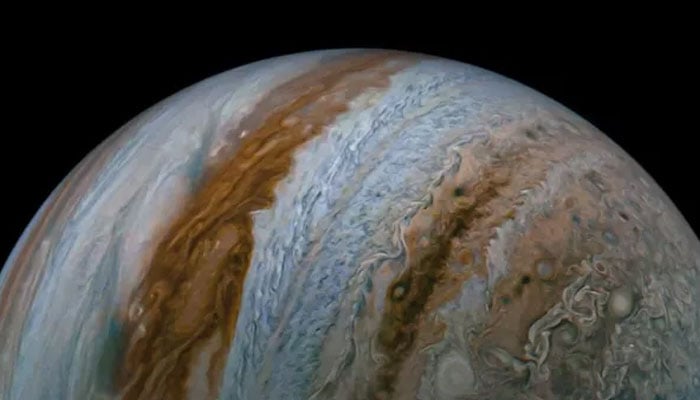
A team of researchers from Harvard University have proclaimed that they detected mysterious waves moving deep inside Jupitar's core changing its magnetic field, Science Focus reported.
A planet's magnetic field serves as a portal into the intricate processes occurring beneath its surface. Alterations in these fields expose the hidden interplay between magnetism, fluid motion, and other forces — processes liable for the generation of Earth's magnetic field.
Scientists noticed a fluctuating jet a high-speed current in Jupiter's atmosphere, operating in about four-year cycles. Using observations from NASA's Juno spacecraft, they found out these fluctuations, reporting their findings in Nature. The currents were focused within a magnetic field on Jupiter identified as the 'Great Blue Spot.'
Geophysics professor at Harvard University and a joint author of the study Jeremy Bloxham, in an interview with BBC Science Focus, remarked: "These changes can be elucidated largely by an eastward drift of the spot, but, as outlined in this paper, that rate of drift is oscillating."
Bloxham and his team propose that these fluctuations point to the existence of waves deep within Jupiter's metallic core — an essential step towards unravelling its hidden mysteries. Bloxham says that these waves could be oceanic waves that alter speed during movement. However, unlike oceanic waves, these waves might follow specific paths, perhaps even cylindrical courses.
The current inquiry revolves around determining whether these are torsional waves encircling the planet's rotational axis—the imaginary line around which Jupiter rotates — or Alfvén waves travelling along magnetic field lines. Resolving this puzzle will facilitate scientists in comprehending the forces governing Jupiter's magnetic field.
The lingering enigma concerning the equatorial jet on the planet hampers progress. Scientists express the need for more precise information to comprehensively grasp the events transpiring within the gas giant's magnetic fields.


-
 New study sounds alarm as Doomsday Glacier melts more aggressively than thought
 -
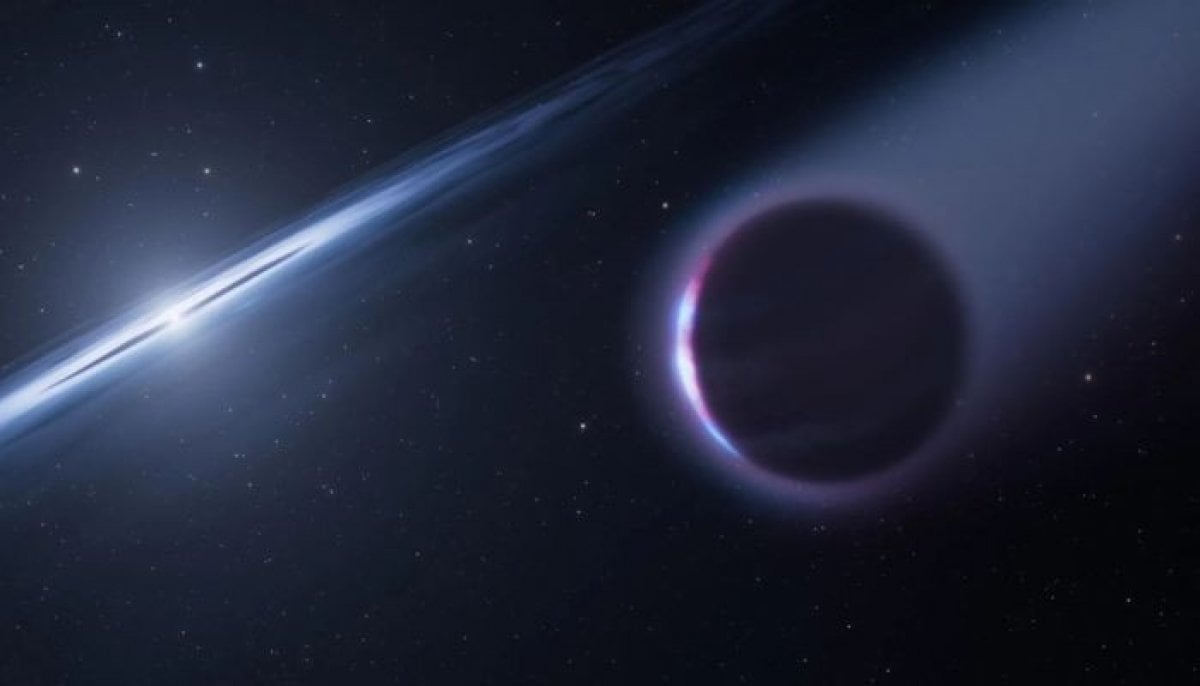 Hubble data hints at planet born after its star died
 -
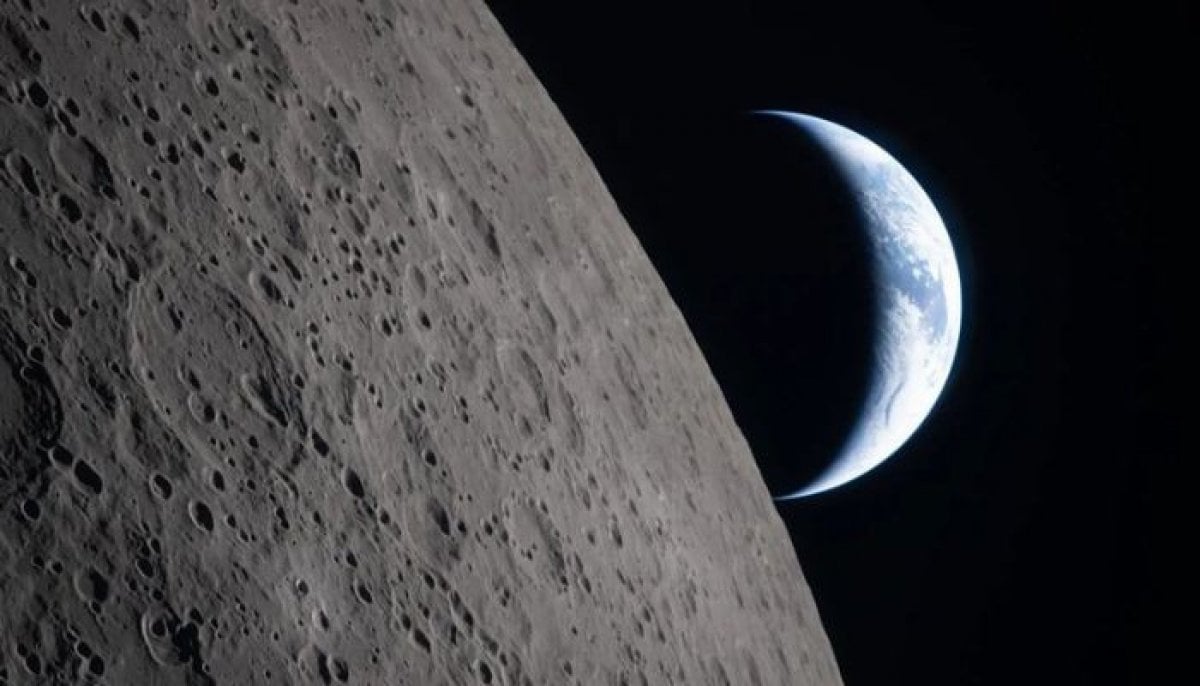 NASA to brief public on Artemis III mission progress
 -
 ‘Time capsule beneath the sea’: World’s oldest shipwreck holds secrets from Great Pyramid era
 -
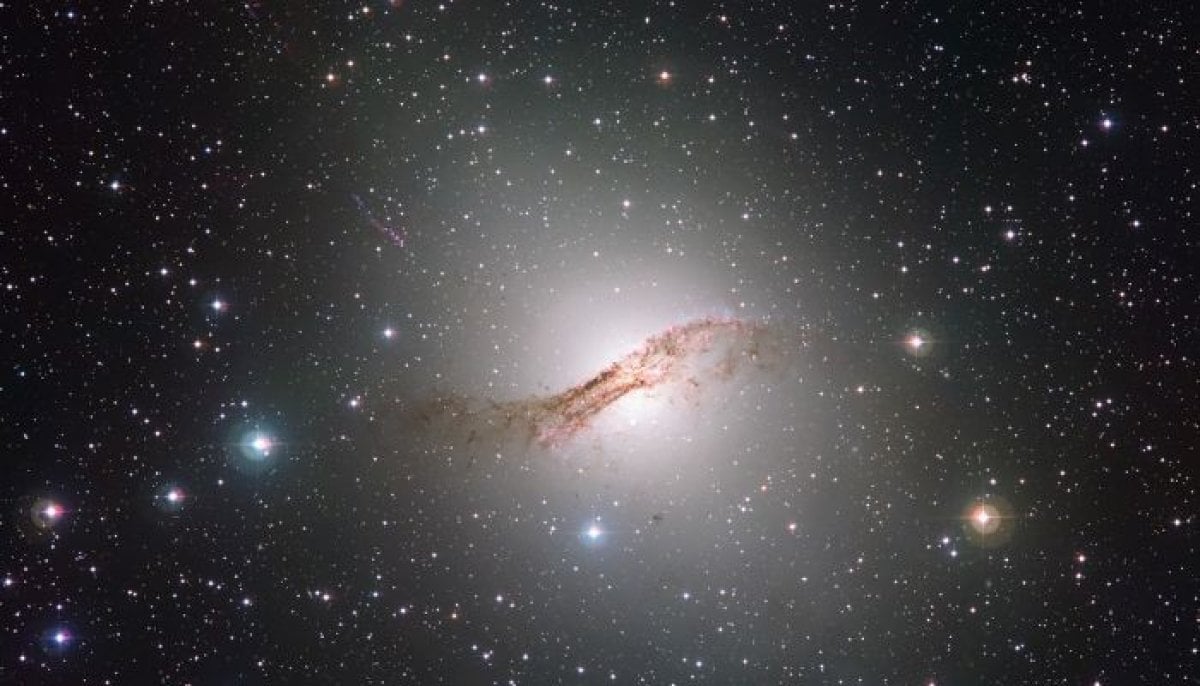 NASA spots mysterious V-shaped scar stretching 700 light-years across space
 -
 Space Jellyfish over Florida: What is that glowing cloud?
 -
 SpaceX Falcon 9 launches Dragon with 6,300 pounds of supplies to ISS
 -
 How far can a rover go? NASA’s Perseverance breaks Mars driving record