Dogs provide better emotional support than human friends, partners: study
Profound impact of dogs lies in their unconditional love and non-judgmental support

New research has unveiled the distinctive ability of dogs to induce both psychological and physiological calmness in their owners during challenging situations, National Geographic reported.
Unlike human interactions, the profound impact of dogs lies in their unconditional love and non-judgmental support, affecting mental well-being and physical responses.
Evangeline Wheeler, a professor of psychology at Towson University, underscores the predictability and reliability of dog companions, fostering a sense of security through their unconditional love and non-critical demeanour.
Studies, featured in Psychosomatic Medicine and the Journal Emotion, illustrate that the presence of a dog leads to smaller increases in blood pressure and heart rate during stressful tasks compared to the presence of human friends or partners.
In scenarios involving stress-inducing tasks such as the Trier Social Stress Test (TSST), participants accompanied by a companion dog exhibited lower stress levels, emphasising the unique ability of dogs to provide a comforting and stabilising influence.
Beyond their physical presence, the act of conversing with one's dog plays a pivotal role in emotional well-being. Engaging in daily conversations with dogs serves as a gentle reminder of meaning and purpose, contributing to a sense of security and unconditional love.
Lori Kogan, a counselling psychologist, and professor at Colorado State University, acknowledges the raw honesty and acceptance defining the relationship between humans and dogs.
The research underscores the therapeutic benefits of confiding in dogs about emotionally charged issues. Individuals are more willing to share difficult emotions, such as depression and anxiety, with their dogs compared to romantic partners or friends.
In addition to providing emotional support, interacting with dogs releases oxytocin, known as the "love hormone," which decreases the stress response in the short term.


-
 Eli Lilly’s Foundayo weight-loss pill gets European approval recommendation
 -
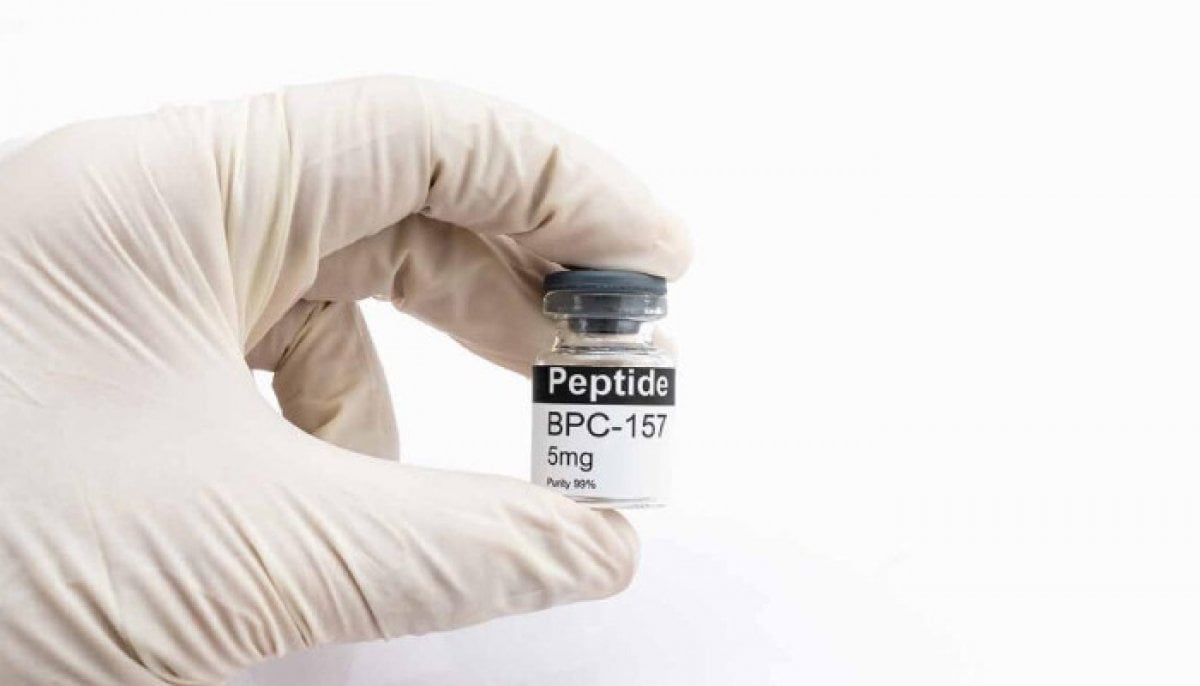 What is BPC-157? Trump administration considers easing rules on popular peptide injections
 -
 West Nile virus: Europe reports 141 deaths as human cases rise in 2026
 -
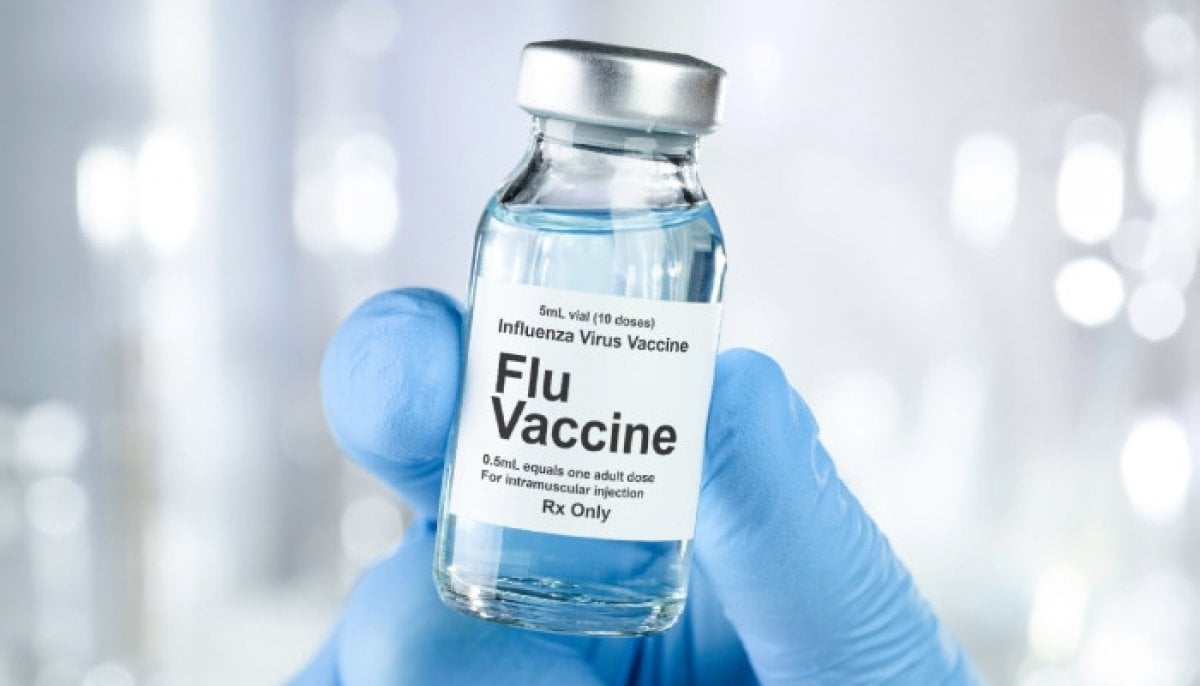 Health Canada reviewing new mRNA flu vaccine that could prevent more hospitalisations
 -
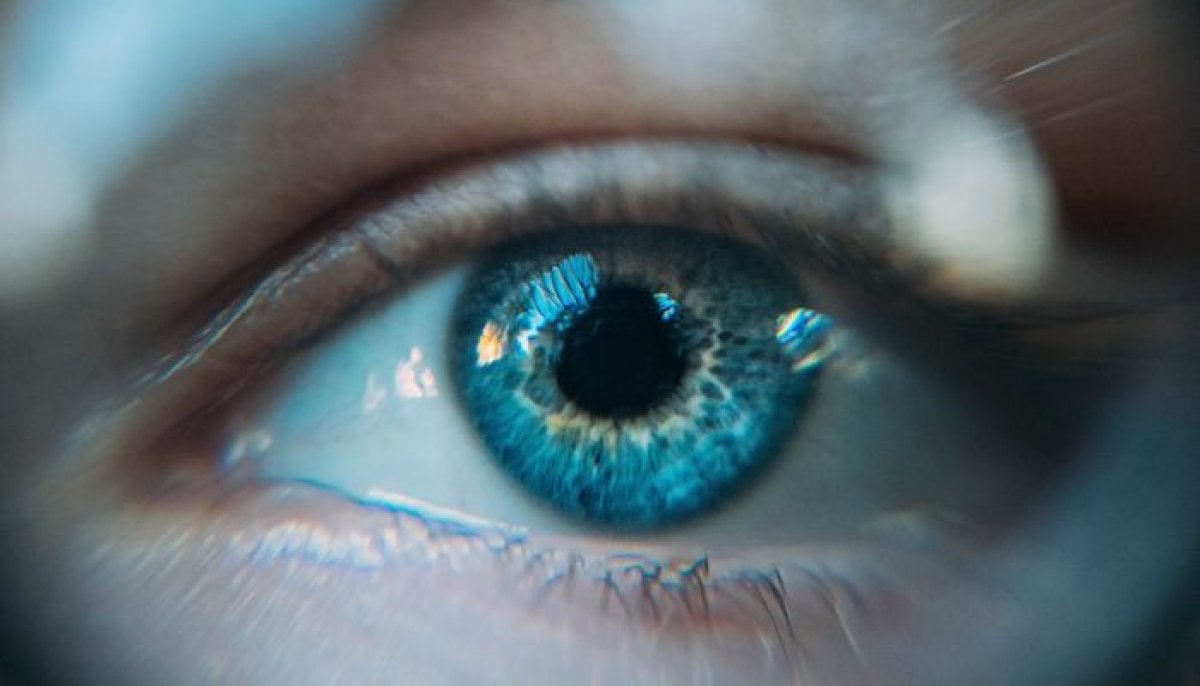 Scientists discover hidden drainage route at the back of the eye
 -
 WHO confirms death at Russian research lab, says no plague case registered
 -
 Getting a $90 check from Social Security? Here’s why
 -
 Measles cases in US top 4,000 nationwide, CDC reports
-
 Sexually transmitted diarrhea spread in US, UK: Why antibiotics are failing against Shigella
 -
Who is Song Li? China puts her forward for WHO leadership role
-
CDC monitors travelers from Siberia after plague worker’s death, director says
-
Russia pushes back on plague death reports, defends WHO notification