Origin of life on Earth not a mystery anymore as part of 1.75b years old code cracked
Small truth about photosynthesis aids scientists in solving mystery behind origin of life on Earth
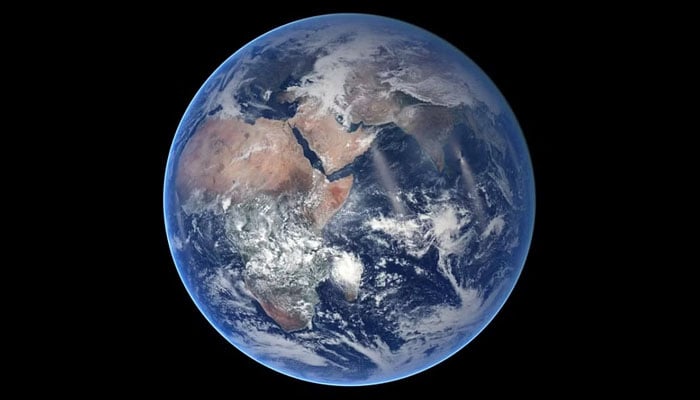
Researchers on a mission to understand the origins of life just learned a small lesson about photosynthesis from 1.75 billion years ago.
According to a team of academics' recent study published in Nature, microfossils discovered in north Australia's desert exhibit the earliest known evidence of photosynthesis, which might lead to a deeper comprehension of the possible origins of life itself as per Popular Mechanics.
These microfossils are the remains of cyanobacteria, an organismal class that may have existed for up to 3.5 billion years, according to researchers (albeit the earliest fossil examples are from about 2 billion years ago).
Some of these species may have been able to contribute enormous amounts of oxygen to Earth's atmosphere through photosynthesis during the Great Oxidation Event because, at some point in their evolution, they developed thylakoids, which are structures within cells where photosynthesis takes place.
The earliest evidence of photosynthesis discovered to date is provided by these new findings. According to the researchers, these earliest photosynthesising cells formed some 1.75 billion years ago, and their discovery extends the fossil record by at least 1.2 billion years.
“[This discovery] allows the unambiguous identification of early oxygenic photosynthesisers and a new redox proxy for probing early Earth ecosystems,” the authors wrote in the paper, “highlighting the importance of examining the ultrastructure of fossil cells to decipher their paleobiology and early evolution.”


-
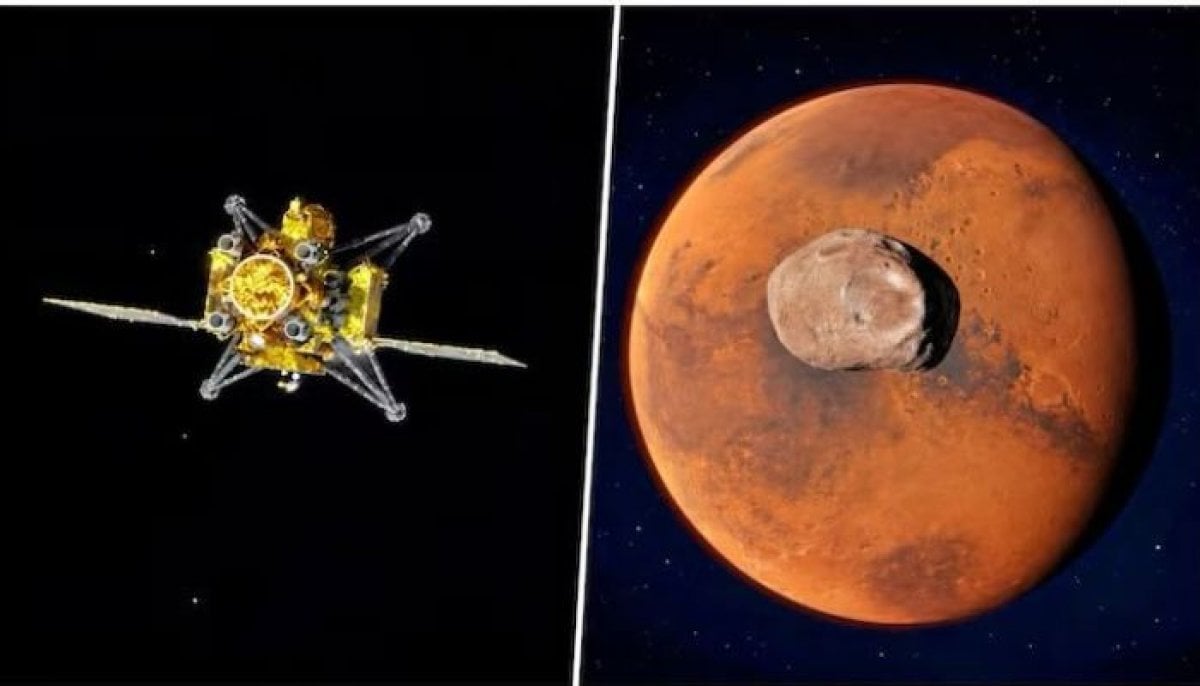 Japan launches world’s first mission to bring sample back from phobos
 -
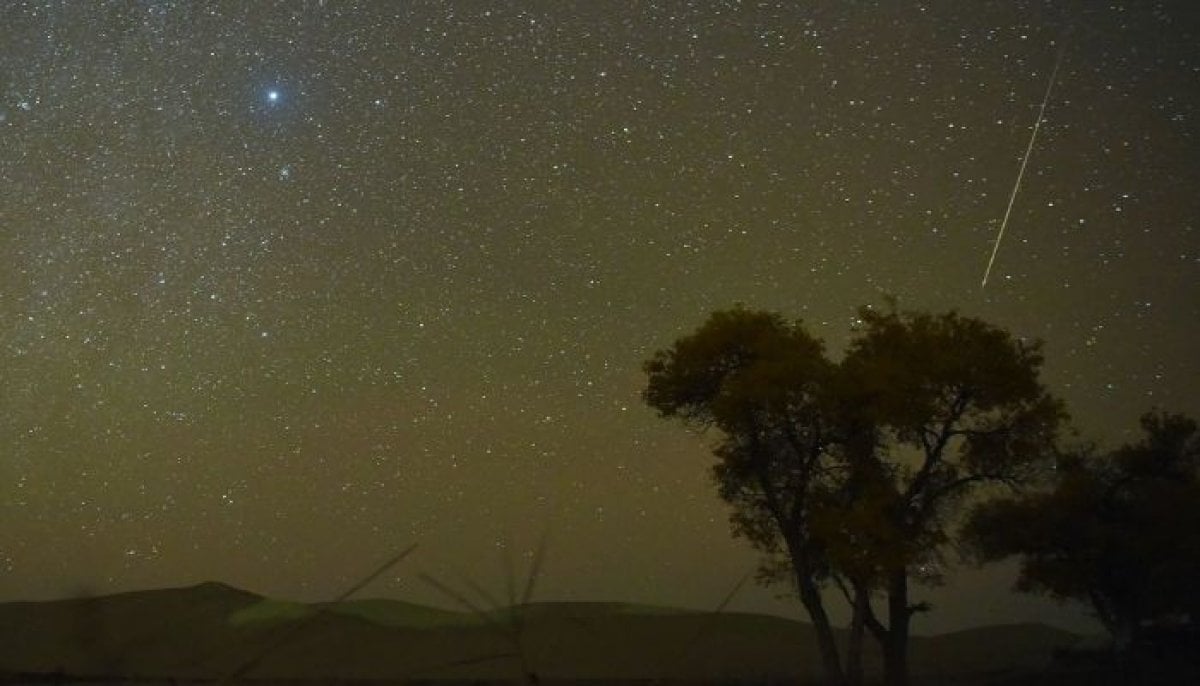 Orionid meteor shower 2026: Peak date, viewing tips and what to expect
 -
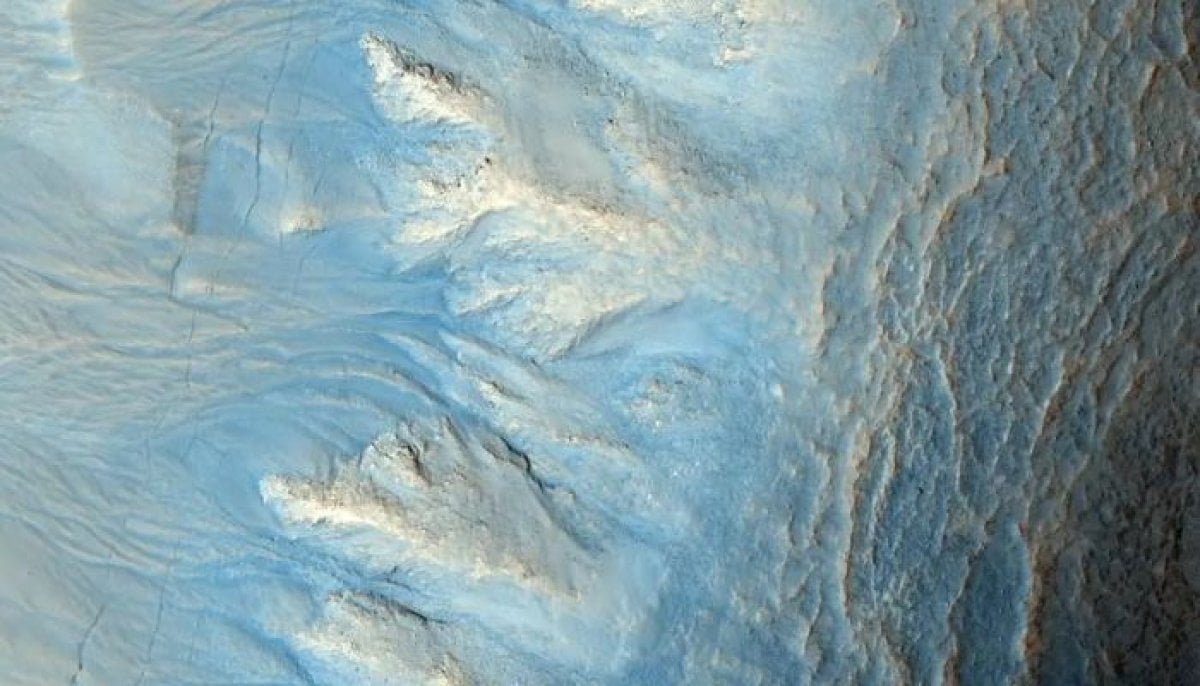 Why Mars looks blue in NASA’s unedited curiosity panorama?
 -
 Blue Origin upgrades new Glenn rocket launch infrastructure to take on SpaceX
 -
 NASA’s next Mars mission targets Phobos and Deimos, not Red Planet
 -
 Is AI ready to rewrite our understanding of physics?
 -
 Astronomers identify possible first green star in 27 years of research
 -
 New study sounds alarm as Doomsday Glacier melts more aggressively than thought