AI death calculator predicts people deaths — But is it accurate?
AI death calculator uses certain life details to predict people's deaths

While most people aren't particularly interested in knowing when they'll pass away, a recently created AI death calculator can now predict a person's death date with uncannily precise accuracy.
“We use the technology behind ChatGPT (something called transformer models) to analyse human lives by representing each person as the sequence of events that happens in their life,” Sune Lehmann, lead author of the December 2023 study “Using sequence of life-events to predict human lives,” told the New York Post.
The Technical University of Denmark professor of network and complex systems, along with co-authors, present the "life2vec" algorithm in the paper. This algorithm utilises certain life details, such as income, occupation, place of residence, and medical history, to calculate an individual's life expectancy with 78% accuracy.
“We use the fact that in a certain sense, human lives share a similarity with language,” explained Lehmann. “Just like words follow each other in sentences, events follow each other in human lives.”
In contrast to ChatGPT, the perpetually erratic bot that tech savvy people have used to help them land their ideal employment or even design the ideal wardrobe, life2vec uses a thorough analysis of a person's past to calculate their life outcomes.
“This model can predict almost anything,” Lehmann told the New York Post, who noted that his research team also used the specialised program to foretell people’s personalities and decisions to make international moves."


-
 5 times video games actually went to space
 -
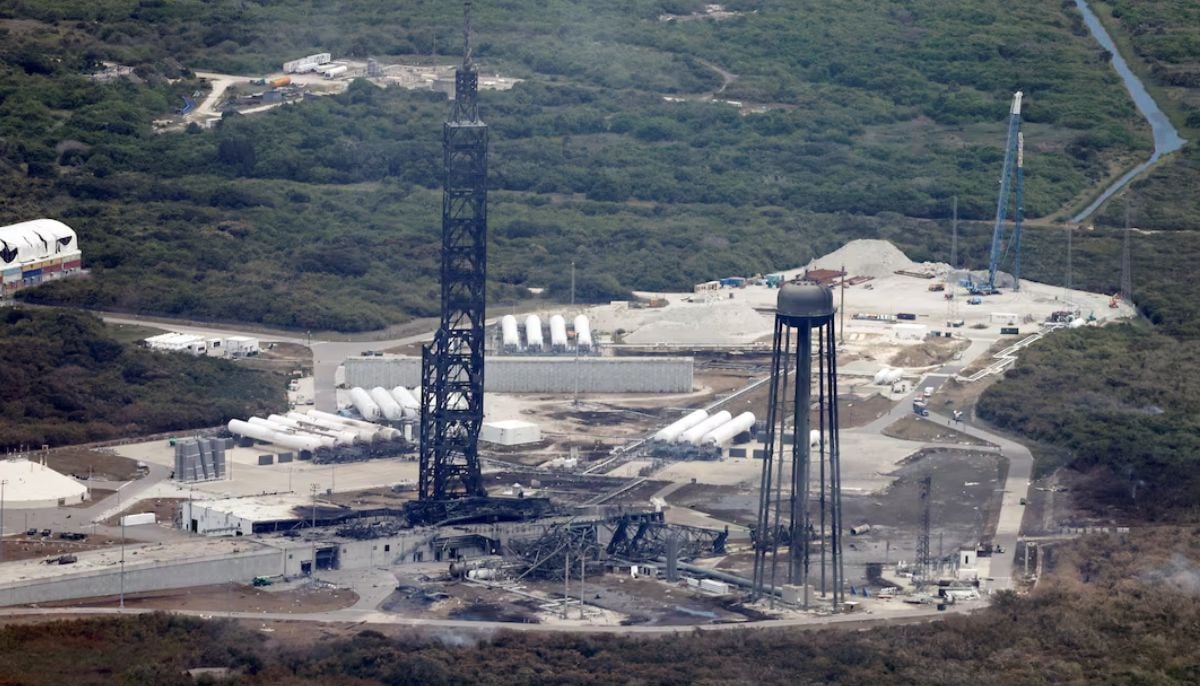 Blue Origin hit with months-long delays after rocket explosion damages launch pad
 -
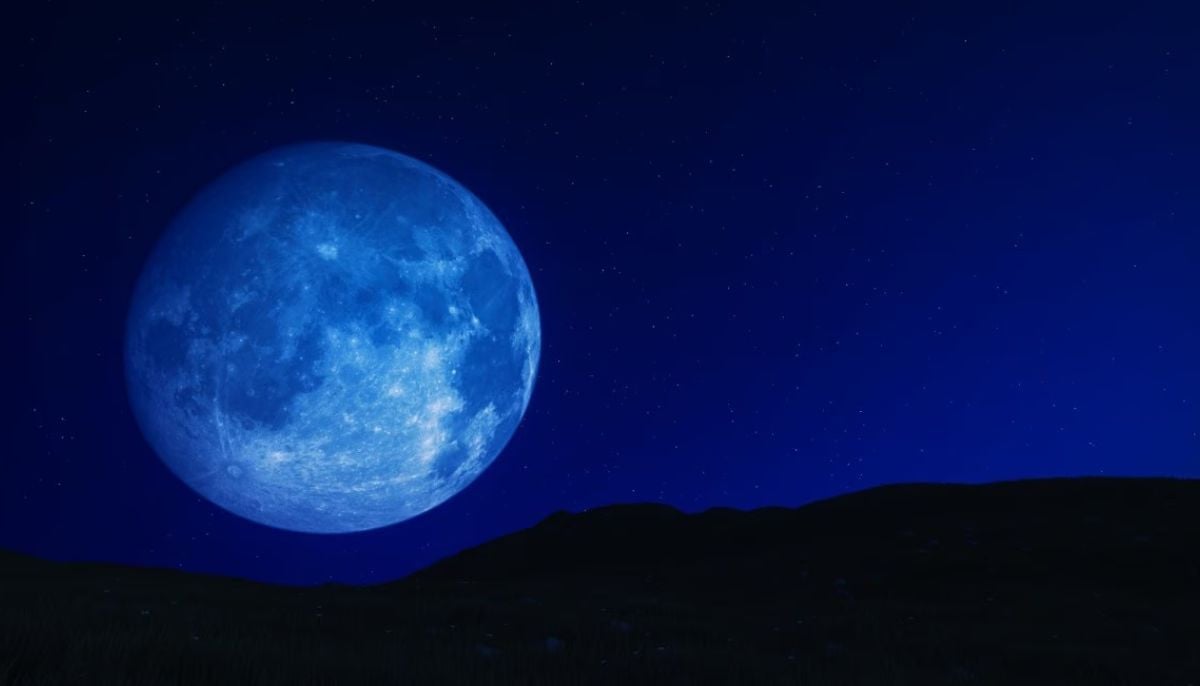 Blue Moon 2026: Everything to know about the rare celestial event
 -
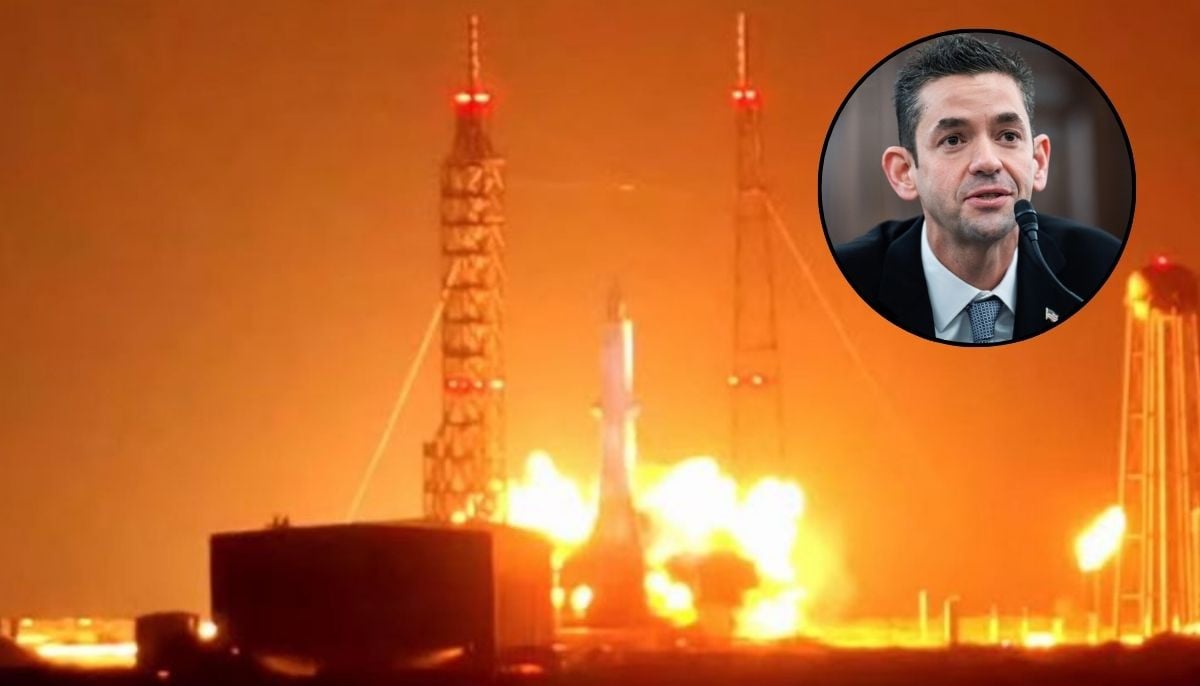 Blue Origin’s New Glenn rocket explodes: NASA responds to impact on lunar base mission
 -
 Scientists map hidden Antarctic Marginal Ice Zone in Southern Ocean for first time
 -
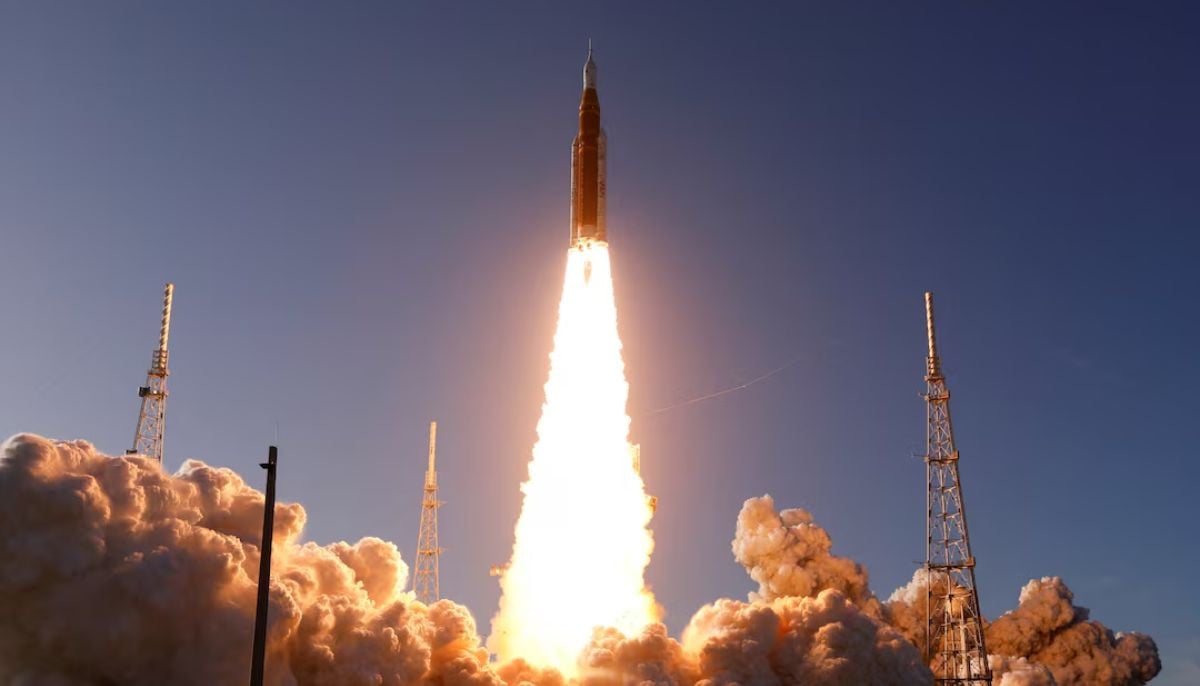 Who are the Artemis 3 astronauts? NASA announcement coming June 9
 -
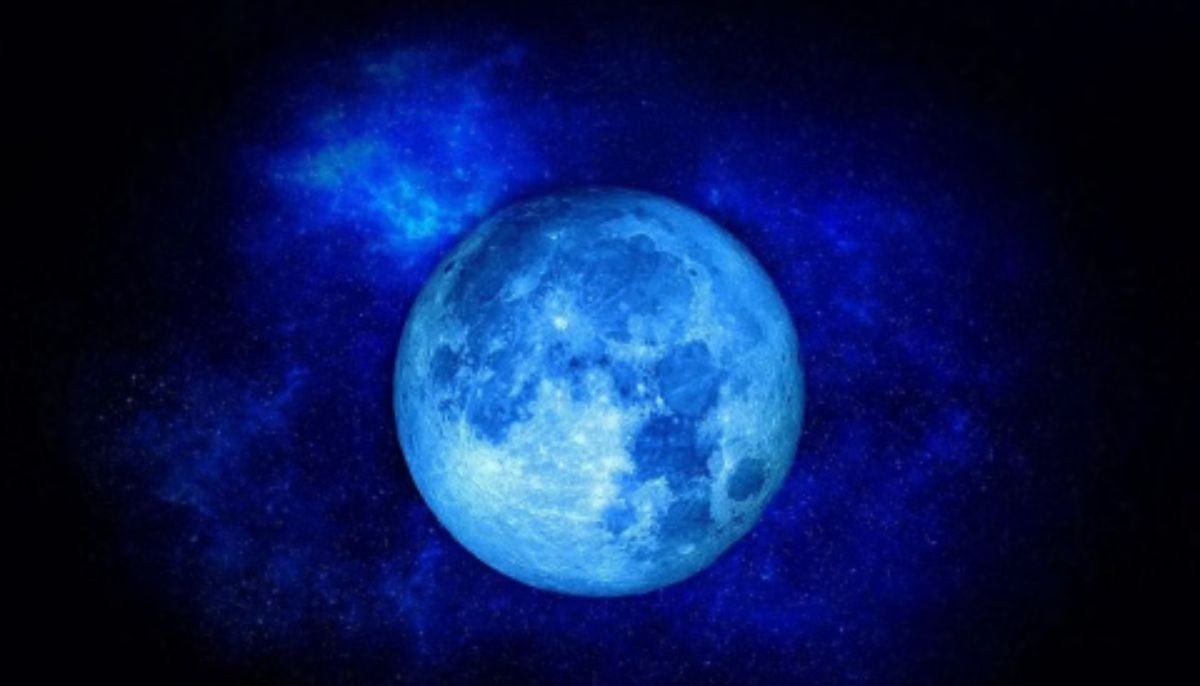 Blue Moon 2026: How it highlights the mechanics of our Solar System
 -
 China sends artificial embryos into space—Could humans reproduce in zero gravity?