Nobel Prize in Physics: Pierre Agostini, Ferenc Krausz, Anne L'Huillier honoured for electron research
"The laureates´ contributions have enabled the investigation of processes that are so rapid they were previously impossible to follow," said the jury
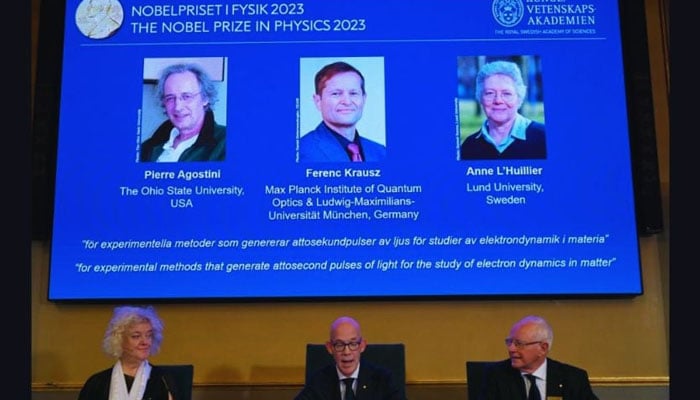
Three atomic physicists, Ferenc Krausz of Hungary and Austria, Pierre Agostini of France, and Anne L'Huillier of France and Sweden, received the Nobel Prize in Physics on Tuesday for their work developing instruments for studying electrons inside atoms and molecules.
The trio was honoured "for experimental methods that generate attosecond pulses of light for the study of electron dynamics in matter," the jury said.
"An attosecond is so short that there are as many in one second as there have been seconds since the birth of the universe," they added.
The jury said the trio "have demonstrated a way to create extremely short pulses of light that can be used to measure the rapid processes in which electrons move or change energy."
"The laureates´ contributions have enabled the investigation of processes that are so rapid they were previously impossible to follow," it said.
Agostini is a professor at Ohio State University in the United States, while Krausz is a director at the Max Planck Institute in Germany.
L´Huillier, only the fifth woman to win the Physics Prize since 1901, is a professor at Lund University in Sweden.
She told reporters she was in the middle of teaching a class when she received the call from the Royal Swedish Academy of Sciences, and it "was difficult" to finish the class.
"I am very touched... There are not so many women that get this prize so it´s very, very special," L´Huillier said.
Last year, Alain Aspect of France, John Clauser of the United States and Austria´s Anton Zeilinger won the Nobel for their work into quantum entanglement, a concept once dismissed by Albert Einstein as "spooky action".
The trio will share the award of 11 million Swedish kronor (around $1 million) and will receive the prize from King Carl XVI Gustaf at a ceremony in Stockholm on December 10, the anniversary of the 1896 death of scientist Alfred Nobel who created the prizes in his last will and testament.
The Physics Prize will be followed by the Chemistry Prize on Wednesday, with the highly watched Literature and Peace Prizes to be announced on Thursday and Friday respectively.
The Economics Prize — created in 1968 and the only Nobel not included in Nobel´s 1895 will — closed out the 2023 Nobel season on Monday.


-
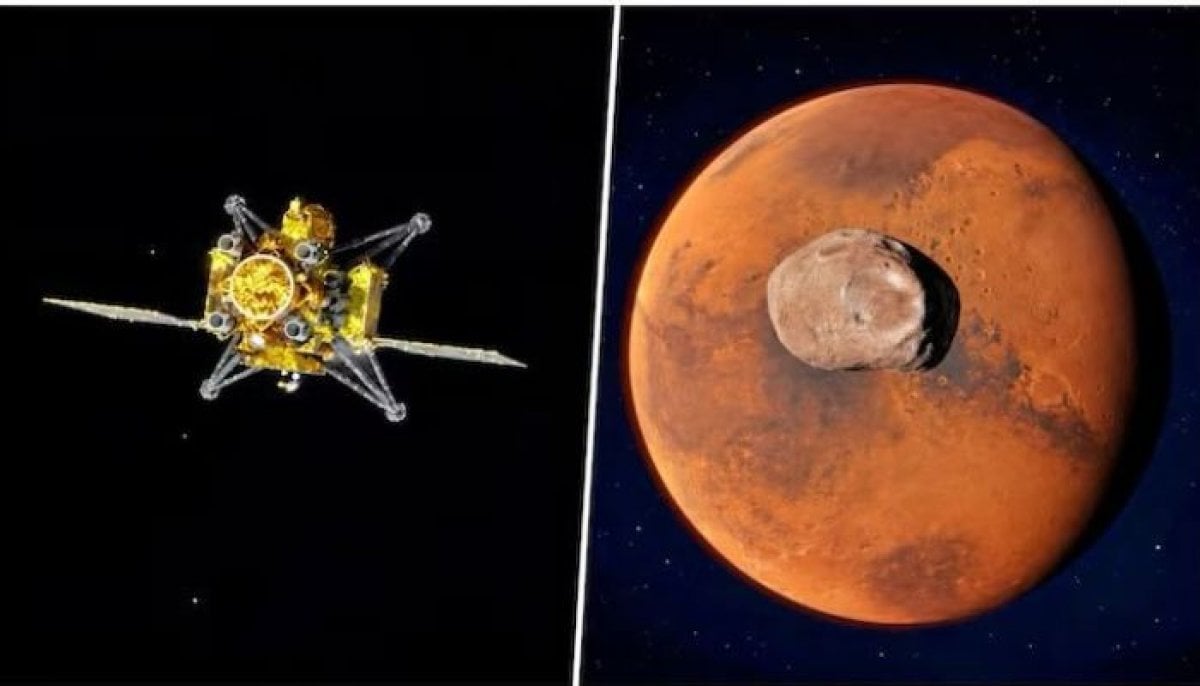 Japan launches world’s first mission to bring sample back from phobos
 -
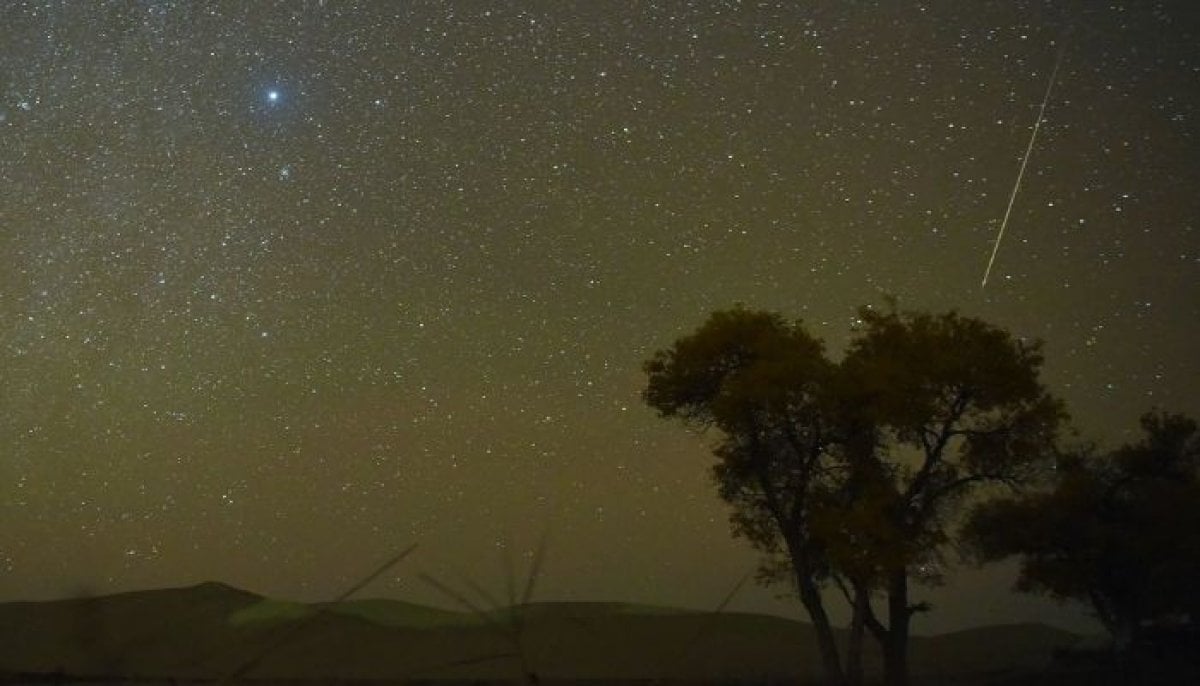 Orionid meteor shower 2026: Peak date, viewing tips and what to expect
 -
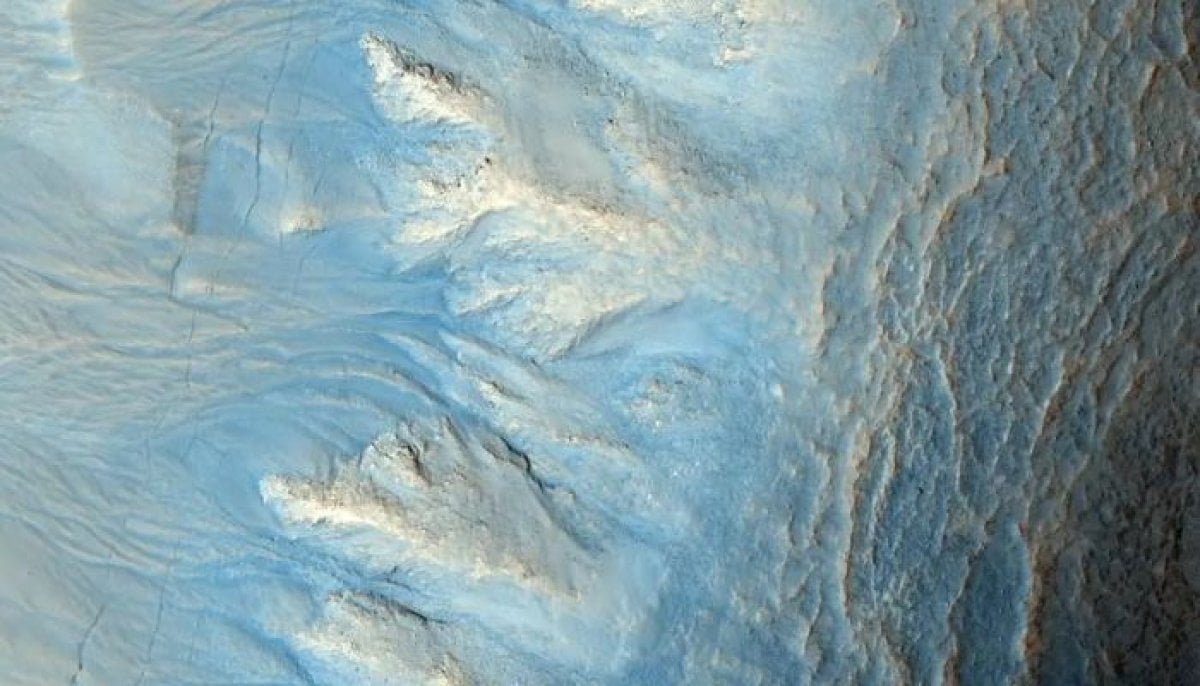 Why Mars looks blue in NASA’s unedited curiosity panorama?
 -
 Blue Origin upgrades new Glenn rocket launch infrastructure to take on SpaceX
 -
 NASA’s next Mars mission targets Phobos and Deimos, not Red Planet
 -
 Is AI ready to rewrite our understanding of physics?
 -
 Astronomers identify possible first green star in 27 years of research
 -
 New study sounds alarm as Doomsday Glacier melts more aggressively than thought