Now you can lock your chats on WhatsApp with this new feature
Meta CEO Mark Zuckerberg makes announcement of "chat lock" feature on official Meta Channel

WhatsApp always works on making security better for users and it recently released a new feature that would let users lock their conversations, WaBetaInfo reported.
According to the app-tracking website, Meta CEO Mark Zuckerberg made the announcement of the "chat lock" feature on the official Meta Channel.
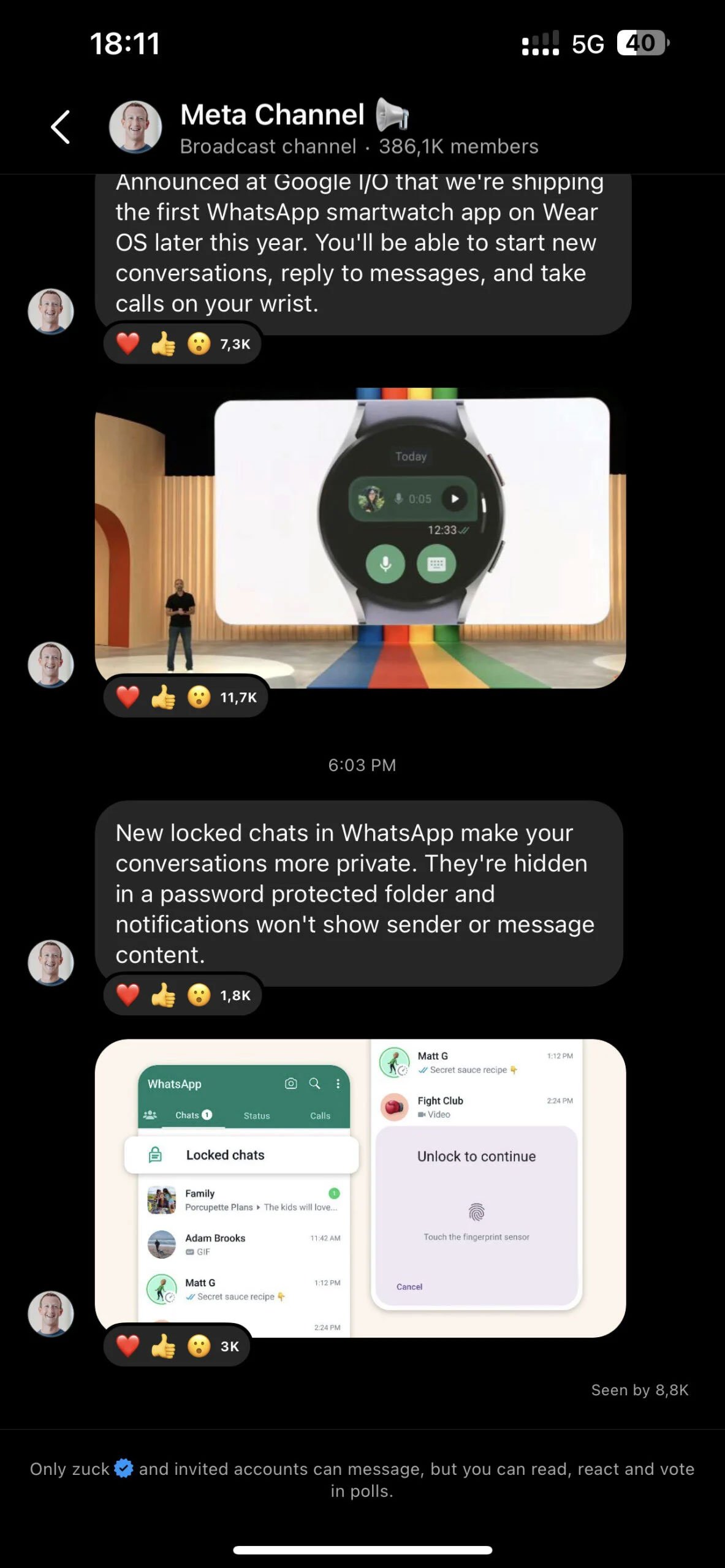
This feature is being rolled out to users who have the latest version of the app and will be available to more users in the coming weeks. This was released to iOS users first.
This feature will allow users to protect the conversations they want and they can only view them by using a passcode, fingerprint, or Face ID authentication.
Since this feature has been officially announced on the Meta Channel, this will be released to more people on the stable release of the app very soon.
These chats will only appear in the locked chats section. This new feature provides another layer of security and privacy to users as it would disable author and message preview in notifications.
"For added privacy, media shared in locked chats isn’t automatically saved to the phone’s gallery," said WaBetaInfo.
No one else will be able to view the messages or data shared in the locked chats as it ensures to protect sensitive information.


-
 New study sounds alarm as Doomsday Glacier melts more aggressively than thought
 -
 Hubble data hints at planet born after its star died
 -
 NASA to brief public on Artemis III mission progress
 -
 ‘Time capsule beneath the sea’: World’s oldest shipwreck holds secrets from Great Pyramid era
 -
 NASA spots mysterious V-shaped scar stretching 700 light-years across space
 -
 Space Jellyfish over Florida: What is that glowing cloud?
 -
 SpaceX Falcon 9 launches Dragon with 6,300 pounds of supplies to ISS
 -
 How far can a rover go? NASA’s Perseverance breaks Mars driving record