Children who feel poorer than friends might develop mental health issues
Self-esteem of kids who thought they were poorer than their friends was significantly lower than those who felt equal
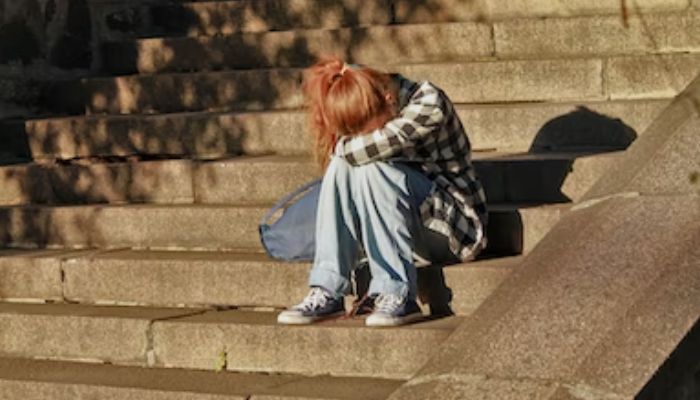
A new study has revealed that youngsters who spent more time with friends that are richer than them are likely to have worse mental health than those whose company is economically equal.
Social scientists from the University of Cambridge found that feeling poorer can cause several mental health problems like low self-esteem, behavioural problems like hyperactivity and anger as well as anxiety. Participants who had friends so the same financial status had higher self-esteem and better social behaviour.
Authors, who published their research in the Journal of Child Psychology and Psychiatry, believe that people who hang out with those of higher socioeconomic status feel like they do not have a sense of belonging and feel inadequate.
“Adolescence is an age of transitions when we use social comparisons to make self-judgments and develop our sense of self,” said lead author Blanca Piera Pi-Sunyer, a Cambridge Gates Scholar and PhD candidate in the university’s Department of Psychology, in a media release.
Blanca added that a sense of economic position especially in the immediate environment could be problematic for a sense of belonging.
“Belonging is particularly important for well-being and psychosocial functioning during adolescence.”
She said that feeling different in any way could be harmful and also increases the chance of interpersonal difficulties like bullying. Wealth comparisons with others can especially "contribute to a sense of social and personal self-worth when we are young."
While comparisons are unhealthy, younger people tend to compare themselves with friends a lot. Other factors other than financial insecurities also disturb adolescents like popularity and attractiveness.
The authors studied perceived economic inequality in friend groups of nearly 13,000 adolescents in the United Kingdom. All respondents were born between 2000 and 2002 and collected data on their income.
The self-esteem of kids who thought they were poorer than their friends was significantly lower (6%-8%) than those who felt equal. They were found to be 11% less in well-being compared to kids that are financially equal.
These children were also highly likely to be bullied than others. On the other hand, those who felt richer than their friends were 5% likelier to be bullies themselves.
“Many studies suggest that, objectively, young people from disadvantaged backgrounds have more mental health difficulties. Our findings show that the subjective experience of disadvantage is also relevant,” Blanca also said.


-
 Eli Lilly’s Foundayo weight-loss pill gets European approval recommendation
 -
 What is BPC-157? Trump administration considers easing rules on popular peptide injections
 -
 West Nile virus: Europe reports 141 deaths as human cases rise in 2026
 -
 Health Canada reviewing new mRNA flu vaccine that could prevent more hospitalisations
 -
 Scientists discover hidden drainage route at the back of the eye
 -
 WHO confirms death at Russian research lab, says no plague case registered
 -
 Getting a $90 check from Social Security? Here’s why
 -
 Measles cases in US top 4,000 nationwide, CDC reports
-
 Sexually transmitted diarrhea spread in US, UK: Why antibiotics are failing against Shigella
 -
Who is Song Li? China puts her forward for WHO leadership role
-
CDC monitors travelers from Siberia after plague worker’s death, director says
-
Russia pushes back on plague death reports, defends WHO notification